Comprehensive Guide to IDW Disposal: Navigating the Challenges of Industrial Wastewater Management
Introduction
In an era of heightened environmental scrutiny and stricter regulations, the proper Industrial Dewatering Waste (IDW) Disposal has emerged as a critical concern for municipalities, industries, and environmental engineers alike. An estimated 21 billion gallons of industrial wastewater entered U.S. waterways in 2024 alone, raising significant public health and environmental concerns (EPA, 2024). As industries adapt to comply with evolving regulations, understanding the intricacies of IDW disposal is vital for ensuring compliance and promoting sustainability. This article delves deeply into IDW disposal, its challenges, best practices, and recent technological advancements to provide a comprehensive resource for stakeholders in the field.
Understanding IDW and Its Significance
What is IDW?
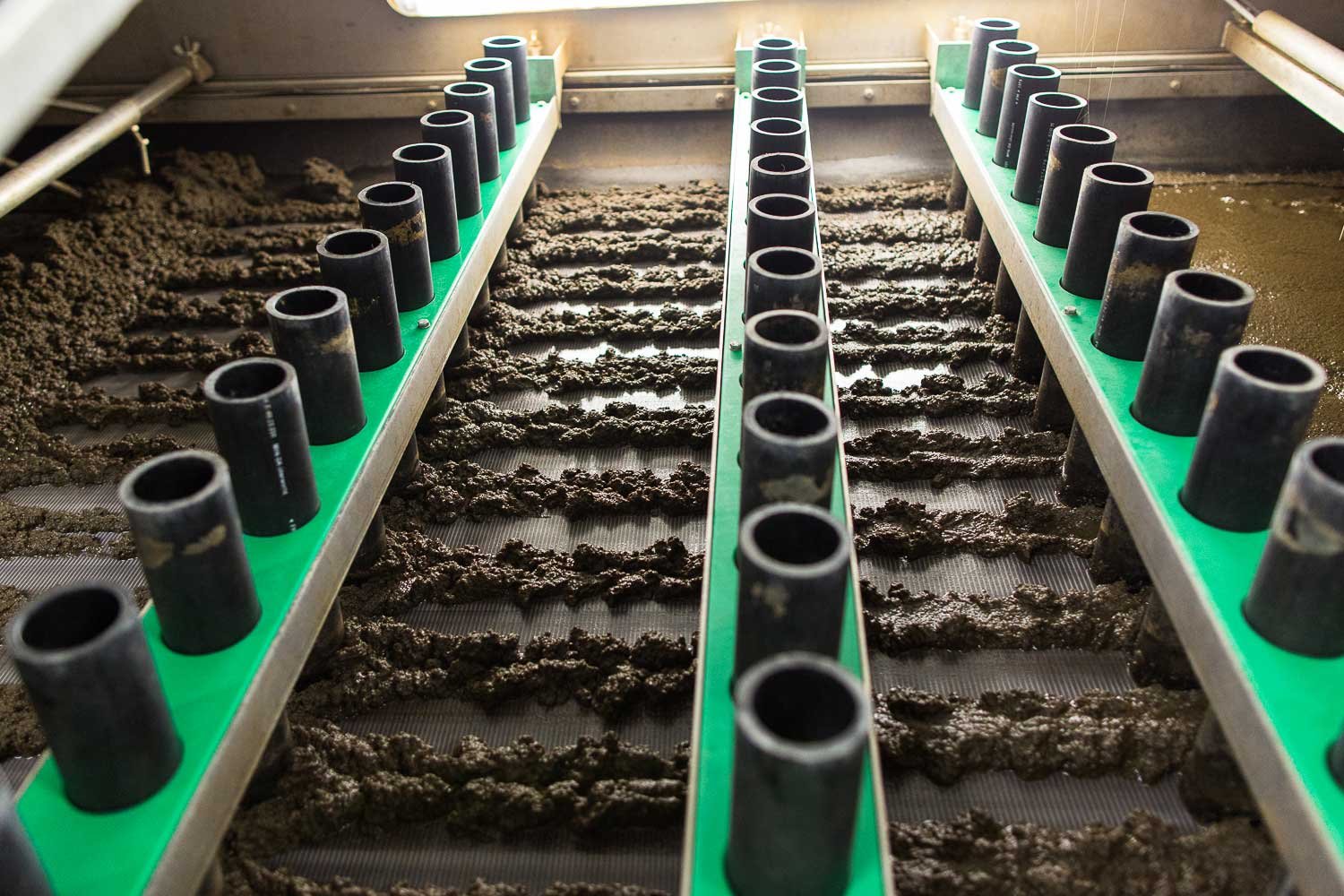
Industrial Dewatering Waste (IDW) is the byproduct of processes designed to remove water from materials, typically in industrial contexts. This wastewater can converge from various sources, including:
- Mining Operations: Tailings and slurries from mineral extraction.
- Construction Sites: Water collected from excavation and site runoff.
- Manufacturing Processes: Wastewater produced from cooling, cleaning, or product shaping.
Importance of Proper IDW Disposal
Improper handling and disposal of IDW can lead to significant environmental issues, including:
- Water Contamination: Pollutants can leach into groundwater or surface water sources.
- Soil Degradation: Contaminated waste can compromise soil health.
- Health Risks: Poorly managed IDW can pose risks to workers and nearby communities.
In light of increasing regulatory requirements, properly disposing of IDW is not just a best practice; it is a legal obligation.
Regulatory Landscape Surrounding IDW Disposal
Overview of Current Regulations
As of mid-2025, the U.S. Environmental Protection Agency (EPA) has tightened regulations governing the discharge of industrial wastewater. The National Pollutant Discharge Elimination System (NPDES) permit program mandates industrial facilities to obtain permits that regulate the quality of wastewater discharges. Key aspects include:
- Discharge Limits: Specific thresholds of contaminants allowed in wastewater.
- Monitoring Requirements: Routine testing for pollutants.
- Reporting Obligations: Timely disclosures to regulatory bodies.
State-Level Regulations
States such as California and New York have enacted additional legislation mandating stricter compliance measures, often with significant fines for non-adherence. For example, California’s Department of Water Resources emphasizes the importance of sustainable waste practices, incentivizing technologies that minimize waste generation.
Implications for Industries
Industries must adopt stringent IDW disposal practices or risk legal ramifications that can lead to substantial financial and reputational costs.
Challenges in IDW Disposal
Technological Constraints
One of the primary challenges in IDW disposal is the technological ability to treat various types of industrial wastewater effectively. Many conventional treatment facilities struggle to cope with:
- Complex Chemical Composition: Limited adaptability in technologies to manage diverse contaminants.
- Variable Process Characteristics: Fluctuations in waste characteristics can hinder treatment efficiency.
Cost Implications
Effective IDW disposal can be capital intensive. Industries often face high operational costs related to:
- Treatment Facility Upgrades: Investment in advanced technologies to meet regulatory standards.
- Disposal Fees: Charges associated with transporting and disposing of industrial waste.
Public Scrutiny
Increased awareness among the public and interest groups adds another layer of complexity. Communities often express concerns about health impacts, leading to social and reputational pressures on industries.
Best Practices for IDW Disposal
Strategic Planning
Proactive measures are essential for effective IDW disposal:
- Conduct a Waste Audit: Systematically assess the composition and volume of wastewater generated.
- Design an IDW Management Plan: Outline strategies for treatment and disposal that align with regulatory requirements and best practices.
Advanced Treatment Solutions
Recent advancements in treatment technologies offer promising solutions:
- Membrane Filtration: Advanced techniques like microfiltration and ultrafiltration facilitate the effective removal of particles and contaminants.
- Bioremediation: Utilizing microorganisms to degrade hazardous substances in wastewater can offer sustainable, eco-friendly alternatives.
- Zero Liquid Discharge (ZLD): Technologies designed to recover and recycle almost all wastewater can drastically reduce IDW generation rates.
Collaboration with Environmental Consultants
Partnering with environmental consulting firms can provide valuable insights tailored to specific industry needs, ensuring compliance with both local and federal regulations.
Emerging Technologies in IDW Disposal
IoT and Smart Monitoring
The incorporation of IoT devices enables real-time monitoring of wastewater parameters, facilitating:
- Predictive Maintenance: Early identification of treatment issues which can prevent non-compliance.
- Data-Driven Decision Making: Enhanced operational efficiency through accurate insights into wastewater management.
Innovative Filtration Techniques
Advances in nanofiltration and electrocoagulation technologies are paving the way for more efficient treatment processes. These innovations can effectively remove heavy metals and other contaminants, enabling industries to stay compliant while protecting the environment.
Conclusion
With stringent regulations and increasing public scrutiny, IDW disposal has never been more critical for industries operating in environmentally sensitive contexts. By understanding the current regulatory landscape, recognizing challenges, and adopting best practices, entities can navigate the complex world of IDW management effectively.
Innovative solutions and collaborative strategies will not only ensure compliance but also contribute to a sustainable future where industrial activities coexist harmoniously with environmental priorities. As the industry continues to evolve, staying informed about emerging technologies and regulations will be paramount to achieving successful outcomes in IDW disposal.
In the words of Stephen Hawking, "We are all now connected by the internet, like neurons in a giant brain." So too must we connect the dots in our industries to form a cohesive approach to environmental stewardship, particularly in the complex yet critical realm of industrial dewatering waste management.
source https://www.waterandwastewater.com/idw-disposal/


No comments:
Post a Comment