Effective Wastewater Treatment Strategies for Operators and Engineers
Advanced Biological Treatment Processes
Did you know that biological treatment processes can reduce wastewater pollutants by up to 90%? That’s not just impressive; it’s a game-changer for municipalities and industries alike. When it comes to treating wastewater, these advanced methods are like having a secret weapon in your environmental arsenal.
Take, for example, a medium-sized city struggling with high levels of nitrogen and phosphorus in their treated effluent. Traditional methods just weren’t cutting it, leading to algae blooms in local waterways. Enter advanced biological treatment processes like nitrification-denitrification and enhanced biological phosphorus removal (EBPR). These techniques not only tackle nutrient removal but do so while being cost-effective and sustainable.
Nitrification-Denitrification: The Dynamic Duo
Nitrification-denitrification is like a two-step dance that keeps your wastewater treatment plant grooving smoothly. In the first step, ammonia is converted into nitrite and then nitrate by specialized bacteria—think of them as the cleanup crew. In the second step, denitrifying bacteria come into play to convert nitrates into nitrogen gas, which harmlessly escapes into the atmosphere. This process can significantly lower nitrogen levels in effluent, making it less harmful to aquatic ecosystems.
Key point: Effective nitrification-denitrification can turn a pollutant problem into an environmental solution.
Enhanced Biological Phosphorus Removal (EBPR): The Phosphorus Buster
Now let’s talk about phosphorus—often dubbed the bad boy of wastewater because of its role in causing eutrophication. EBPR uses specific bacteria that thrive on phosphorus under anaerobic conditions. These bacteria absorb excess phosphorus during their growth cycle and release it when conditions change back to aerobic. It’s like they’re on a rollercoaster ride of nutrient absorption! By employing EBPR, facilities can achieve significant reductions in phosphorus levels without resorting to chemical treatments.
The Role of Membrane Bioreactors (MBRs)
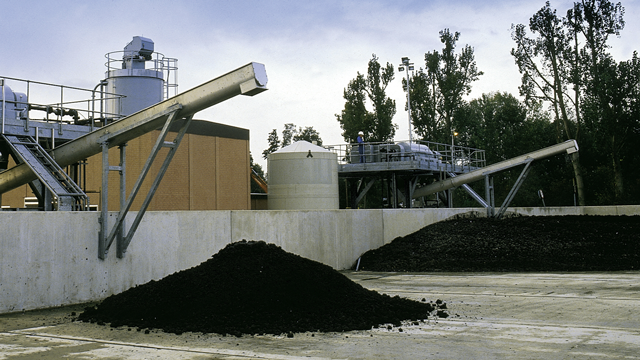
Why stop there? you might ask. Membrane bioreactors (MBRs) combine conventional biological treatment with membrane filtration—a match made in wastewater heaven! MBRs offer high-quality effluent that meets stringent discharge standards while minimizing space requirements. They work wonders for facilities looking to upgrade without expanding their footprint.
'But aren't they expensive?' Sure, initial costs might raise eyebrows, but consider this: MBRs can lead to savings on chemical usage and sludge management over time. Plus, they produce reusable water that can be used for irrigation or industrial processes—talk about making lemonade out of lemons!
As we explore these advanced biological treatment processes further, remember that adopting innovative strategies is crucial for treating wastewater effectively while protecting our precious ecosystems. The future of wastewater management lies in these cutting-edge techniques—so keep your eyes peeled for what's next!
Membrane Filtration Techniques in Wastewater Treatment
Imagine a city that generates enough wastewater daily to fill a small lake. Now, picture that same city struggling to meet discharge regulations because their treatment methods just can't keep up. This is the reality for many municipalities facing stricter environmental standards. Enter membrane filtration techniques—these are not just fancy gadgets; they are the unsung heroes in the quest for cleaner water.
Membrane filtration techniques offer a powerful solution for treating wastewater, especially when it comes to removing suspended solids, bacteria, and even viruses. Think of membranes as the bouncers at an exclusive club—only allowing the right substances through while keeping out the unwanted guests. This technology is particularly effective in tackling challenges that traditional methods struggle with, such as high turbidity levels or complex industrial effluents.
Types of Membrane Filtration
There are several types of membrane filtration techniques, each suited for different applications and treatment objectives. Here’s a quick rundown:
- Microfiltration (MF): Perfect for removing larger particles and some bacteria.
- Ultrafiltration (UF): Targets smaller particles, colloids, and larger organic molecules.
- Nanofiltration (NF): Effective against divalent ions and small organic molecules.
- Reverse Osmosis (RO): The heavyweight champion that removes nearly all contaminants, including salts.
Important Note: Each type has its own operational costs and energy requirements; choosing the right one is crucial.
Real-World Applications
So how does this play out in real life? you might wonder. Let’s look at a scenario: a food processing plant discharging high levels of fats, oils, and greases (FOG) into their wastewater. Traditional treatment systems often fail to effectively remove these contaminants, leading to costly fines and environmental penalties.
But when this plant integrated ultrafiltration membranes into their system, they saw dramatic improvements! The membranes captured FOG effectively while allowing clean water to pass through. Not only did they comply with discharge regulations, but they also saved money on chemical treatments.
Chemical Treatment Methods for Contaminant Removal

Imagine a bustling municipality grappling with toxic heavy metals in its wastewater, threatening both public health and local ecosystems. It's not just an environmental concern; it's a ticking time bomb for anyone responsible for treating wastewater. Enter chemical treatment methods, the superheroes of contaminant removal that swoop in when biological processes just can't cut it.
Chemical treatments are often the go-to solution for dealing with stubborn contaminants that refuse to budge through conventional methods. Whether it's heavy metals, phosphates, or organic pollutants, these treatments can provide rapid and effective results. But let's not sugarcoat it; they come with their own set of challenges and considerations.
Common Chemical Treatment Methods
- Coagulation and Flocculation: This process involves adding chemicals (coagulants) to destabilize particles in the water, allowing them to clump together into larger aggregates (flocs) that can be easily removed.
- Chlorination: A classic method where chlorine is added to disinfect water by killing bacteria and viruses. However, it’s crucial to manage residual chlorine levels to avoid harmful byproducts.
- Precipitation: Often used for heavy metals, this involves adding chemicals that react with contaminants to form solid particles that can be filtered out.
- Oxidation: This method uses oxidizing agents like ozone or hydrogen peroxide to break down organic pollutants into harmless substances.
Important: While effective, chemical treatments can introduce new challenges such as secondary pollution or the need for careful handling and disposal of residuals.
Case Study: Tackling Heavy Metals
'Let’s take a look at a real-world scenario involving a manufacturing facility discharging wastewater laden with lead and cadmium. The traditional biological treatment methods weren't cutting it—these pesky metals were slipping through the cracks.'
In response, the facility implemented a precipitation process using sodium sulfide. This chemical reacts with lead and cadmium ions forming insoluble compounds that could be easily filtered out. The result? A significant reduction in metal concentrations—down from hazardous levels to compliant standards—without breaking the bank on complex equipment upgrades.
When Chemical Meets Biological
The best part? Many facilities are finding success by combining chemical treatments with biological processes. For example, using coagulation before biological treatment can enhance overall efficiency by removing suspended solids that would otherwise hinder microbial activity.
This hybrid approach not only improves contaminant removal but also optimizes operational costs—making it a win-win situation for municipalities aiming to treat wastewater effectively.
As we wrap up our exploration of chemical treatment methods for contaminant removal, it's clear they play an essential role in treating wastewater effectively. Keep an eye on how these strategies evolve as regulations tighten and new technologies emerge. Remember: blending approaches might just be your ticket to achieving superior results!
Innovative Approaches to Sludge Management
Sludge management can feel like trying to clean up after a wild party—there's a lot of mess, and it just keeps piling up. In fact, according to the EPA, about 7 million tons of sludge are produced annually in the U.S. alone. That's enough to fill over 100 Olympic-sized swimming pools! So how do we tackle this growing challenge in treating wastewater?
Enter innovative approaches that not only manage sludge but also transform it into valuable resources. Take a mid-sized urban wastewater treatment plant that was grappling with excessive sludge production and skyrocketing disposal costs. Instead of relying on traditional methods, they implemented anaerobic digestion combined with advanced dewatering technologies.
Anaerobic Digestion: Turning Waste into Energy
Anaerobic digestion is like the ultimate recycling program for sludge. This process uses microorganisms to break down organic material in the absence of oxygen, resulting in biogas—a renewable energy source that can be used for heating or electricity generation. In our example plant, they converted nearly 50% of their sludge into biogas, significantly reducing their waste footprint while generating energy for their operations.
Key takeaway: Anaerobic digestion not only reduces sludge volume but also provides a sustainable energy source.
Advanced Dewatering Techniques: The Dry Side of Sludge Management
Once you've tackled the organic waste through digestion, it's time to deal with what's left—dewatering. Traditional methods often involve bulky equipment and high operational costs. However, innovations like belt filter presses and screw presses are changing the game by maximizing water removal efficiency while minimizing energy use.
Imagine squeezing a wet sponge, you might say—these advanced dewatering techniques essentially do just that but without the mess! The same urban plant adopted a belt filter press system that reduced their sludge volume by an impressive 80%, making transport and disposal much more manageable.
Sludge to Soil: A Circular Economy Approach
Sludge to soil initiatives are gaining traction as municipalities seek sustainable solutions for waste management. By stabilizing treated sludge through composting or further processing, facilities can create nutrient-rich soil amendments suitable for agricultural use or landscaping projects.
A local municipality successfully partnered with farmers to utilize their treated biosolids as fertilizer, showcasing how innovative sludge management can foster community relationships while promoting sustainability.
As we look towards the future of treating wastewater, it's clear that innovative approaches to sludge management will play a pivotal role in sustainability efforts. By embracing techniques such as anaerobic digestion, advanced dewatering methods, and circular economy principles, municipalities can turn a potential problem into an opportunity for resource recovery.
Next time you're faced with sludge challenges, think creatively—there's gold in those hills!
Integration of Smart Technologies in Treatment Facilities
Imagine a wastewater treatment facility that can predict equipment failures before they happen, or adjust treatment processes in real-time based on incoming water quality. Sounds like science fiction? Well, it’s not—this is the reality of integrating smart technologies into wastewater treatment facilities, and it's revolutionizing how we approach treating wastewater.
According to a recent report from the International Water Association, smart water technologies can improve operational efficiency by up to 30%. For municipalities struggling with aging infrastructure and tight budgets, this kind of efficiency boost could be a lifesaver.
Smart technologies are not just a trend; they are essential for modernizing wastewater treatment operations.
Real-Time Monitoring and Data Analytics
Real-time monitoring systems equipped with IoT sensors provide continuous data on water quality parameters like pH, turbidity, and chemical concentrations. This is akin to having a personal trainer for your treatment plant—constantly assessing performance and making adjustments to optimize results. For instance, a city in California implemented a smart monitoring system that detected fluctuations in ammonia levels immediately. By adjusting aeration rates in real-time, they reduced nitrogen levels significantly without wasting energy or resources.
Predictive Maintenance: Avoiding Costly Downtime
'If it ain't broke, don't fix it' might be good advice for some things, but when it comes to wastewater treatment equipment, waiting for something to break can lead to disaster. Predictive maintenance uses machine learning algorithms that analyze operational data to predict when equipment is likely to fail. This proactive approach allows operators to schedule maintenance before breakdowns occur—saving both time and money. A mid-sized plant in Texas adopted this technology and reported a 40% reduction in unplanned downtime within the first year.
Automation: Streamlining Operations
Manual labor might evoke images of hard work and sweat equity, but automation is changing that narrative in wastewater treatment facilities. Automated systems can handle everything from chemical dosing to sludge management with minimal human intervention. For example, an urban facility switched from manual chemical dosing based on operator intuition to an automated system controlled by real-time data inputs. The result? They achieved more consistent effluent quality while reducing chemical costs by over 20%!
The Future Is Now: Embracing Smart Innovations
The future is bright might sound cliché, but when it comes to treating wastewater effectively with smart technologies, it's spot on! As municipalities face increasing regulatory pressures and environmental challenges, adopting these innovations will be key. Whether it's through enhanced monitoring systems or predictive maintenance strategies, integrating smart technologies will not only improve efficiency but also help protect our vital water resources.
So what’s next? If you’re involved in wastewater management or engineering, consider exploring these technologies further. Look into pilot programs or partnerships with tech firms specializing in smart solutions—you might just find the key to transforming your facility into a model of efficiency!
Regulatory Compliance and Environmental Considerations
Here's a startling fact: nearly 80% of the world's wastewater is discharged untreated, leading to dire environmental consequences. For municipalities and wastewater treatment operators, this isn't just a statistic—it's a call to action. Regulatory compliance isn't merely a box to tick; it’s the backbone of effective wastewater management.
Take, for instance, a coastal city that found itself facing hefty fines due to non-compliance with discharge regulations. Their aging treatment plant couldn’t keep up with stricter standards aimed at protecting local marine life. This situation not only threatened the environment but also put the city's finances on thin ice. The solution? A comprehensive overhaul of their wastewater treatment strategy focused on compliance and sustainability.
Understanding Regulatory Frameworks
Regulatory frameworks governing wastewater treatment can be as complex as they are critical. The Clean Water Act in the U.S., for example, sets stringent standards for effluent discharge, requiring municipalities to monitor their outputs closely. Operators must navigate these regulations while ensuring their facilities are equipped to meet or exceed them.
Key takeaway: Staying informed about regulatory changes is essential for maintaining compliance and avoiding costly penalties.
Environmental Impact Assessments
Before implementing new treatment strategies or technologies, conducting thorough environmental impact assessments (EIAs) is crucial. These assessments evaluate how proposed changes might affect local ecosystems, from aquatic habitats to groundwater quality. For example, when a large industrial plant upgraded its treatment system, they discovered potential risks to nearby wetlands that necessitated additional mitigation measures.
- Assess existing environmental conditions.
- Identify potential impacts from proposed changes.
- Engage with stakeholders for community input.
- Develop mitigation strategies for any adverse effects.
Green Compliance Strategies
Green compliance strategies are gaining traction in the wastewater industry as operators seek ways to align regulatory requirements with sustainable practices. Utilizing advanced biological treatments not only ensures compliance but also reduces environmental footprints. For instance, employing anaerobic digestion can minimize sludge production while generating renewable energy—talk about killing two birds with one stone!
The Role of Technology in Compliance
Technology plays a pivotal role in ensuring regulatory compliance by providing real-time monitoring and reporting capabilities. Automated systems can track effluent quality parameters continuously and alert operators of any deviations from regulatory limits. A municipality that integrated smart sensors into its treatment process was able to detect ammonia spikes instantly, allowing them to adjust operations promptly and avoid violations.
In addition, data analytics can help operators identify trends over time, making it easier to anticipate issues before they escalate into compliance problems.
Ultimately, treating wastewater effectively while adhering to regulatory standards requires an integrated approach that combines innovative technology with sound environmental practices. As regulations continue to evolve, staying ahead of the curve will be crucial for municipalities aiming not just for compliance but also for sustainability.
Next time you're evaluating your facility's processes, consider how technology could streamline operations while enhancing your environmental stewardship!
Sustainable Practices in Wastewater Treatment Operations
When it comes to treating wastewater, the stakes are high—both for public health and environmental sustainability. A staggering 80% of global wastewater is discharged untreated, which is not just a statistic; it's a wake-up call for municipalities and operators alike. The truth is, if we don’t adopt sustainable practices in wastewater treatment, we’re essentially pouring our future down the drain.
Take, for instance, a small coastal town that once relied solely on conventional treatment methods. They faced challenges with nutrient overload in their effluent, leading to toxic algal blooms in local waters. By integrating sustainable practices like constructed wetlands and nutrient recovery systems, they not only improved water quality but also created habitats for local wildlife. It’s a win-win situation!
Constructed Wetlands: Nature's Filtration System
Constructed wetlands mimic natural wetlands and use plants and microorganisms to treat wastewater. They’re like nature’s very own water treatment plants! These systems can effectively remove pollutants while providing habitat for wildlife. For example, a community in Florida installed a constructed wetland system that treated stormwater runoff. The result? Cleaner water and enhanced biodiversity—all without the hefty energy costs associated with traditional treatment methods.
Key takeaway: Constructed wetlands can reduce operational costs while enhancing local ecosystems.
Nutrient Recovery: Turning Waste into Resource
Why throw away nutrients when you can recycle them? That’s the mantra behind nutrient recovery systems. These systems extract phosphorus and nitrogen from wastewater streams, allowing municipalities to turn waste into valuable fertilizers. A notable example is a mid-sized city that implemented a struvite recovery process at their treatment plant. They transformed excess phosphorus into struvite crystals—essentially turning their waste problem into an economic asset!
- Reduced environmental impact by minimizing nutrient discharge
- Lower fertilizer costs for local farmers
- Enhanced community engagement through sustainable practices
Energy Efficiency: The Path to Sustainability
Energy efficiency might sound like corporate jargon, but it’s critical in wastewater treatment operations where energy costs can skyrocket. Incorporating energy-efficient technologies such as anaerobic digestion not only reduces sludge volume but also generates biogas—a renewable energy source! Consider this: a facility that switched from aerobic digestion to anaerobic digestion saw its energy consumption drop by over 30%. Now that’s what I call turning waste into wealth!
Sustainable practices in treating wastewater are no longer optional—they're essential for protecting our environment while ensuring compliance with increasingly stringent regulations. As you evaluate your facility's operations, consider how adopting these innovative strategies can enhance both ecological health and operational efficiency.
source https://www.waterandwastewater.com/treating-wastewater-strategies/


No comments:
Post a Comment