PFHxS Removal: Strategies and Technologies for Effective Water Treatment
Introduction
Perfluorohexane sulfonic acid (PFHxS), a member of the per- and polyfluoroalkyl substances (PFAS) family, has garnered increasing attention in the environmental health and water treatment sectors. Contamination of water sources with PFHxS poses significant public health risks, including potential links to cancer and endocrine disruption. According to recent research by the Environmental Protection Agency (EPA), PFHxS is one of the persistent contaminants found in drinking water at alarming rates, triggering urgent calls for effective removal solutions. This article delves into the current landscape of PFHxS removal methodologies, offering a detailed exploration of technological options and regulatory considerations that practitioners, including design engineers and municipal directors, must take into account.
Understanding PFHxS
What is PFHxS?
PFHxS is a synthetic compound that has been used in various industrial applications, including firefighting foams, stain repellents, and water-resistant coatings. Its unique chemical properties contribute to low surface tension and high thermal stability, leading to widespread environmental persistence. PFHxS is often detected alongside related compounds, aggravating concerns regarding its environmental impact.
Health and Environmental Impacts
Numerous studies have alerted the public to the hazardous effects of PFHxS exposure. According to industry analysis from 2024, exposure can lead to adverse health outcomes, including increased cholesterol levels, decreased vaccine response, and potential reproductive and developmental harm. These health risks underscore the urgency for proactive water treatment solutions capable of effectively removing PFHxS.
Regulatory Landscape
Current Regulations and Guidelines
As of July 2025, the EPA has established enforceable limits for PFHxS and other PFAS in drinking water under the PFAS Action Plan. The maximum contaminant level (MCL) for PFHxS stands at 0.007 µg/L, reflecting its potential health impacts. States are also implementing their own regulatory frameworks, with some, such as California and New Jersey, enacting even stricter regulations.
Compliance Challenges
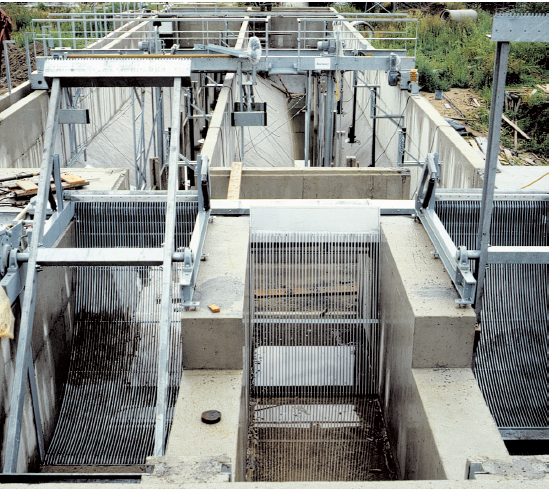
Municipalities and water treatment facilities face significant challenges in meeting these evolving regulations. The detection of PFHxS in drinking water requires rigorous monitoring strategies, often necessitating the adoption of new technologies and methodologies to comply with federal and state guidelines.
PFHxS Removal Technologies
Overview of Removal Techniques
When addressing PFHxS, it’s crucial to consider various removal technologies that range from traditional methods to advanced treatment strategies. The primary methods under review include:
- Activated Carbon Adsorption
- Ion Exchange Resins
- Membrane Filtration
- Advanced Oxidation Processes (AOPs)
Activated Carbon Adsorption
Application: Activated carbon systems are commonly employed in water treatment facilities. Their porous structure effectively adsorbs a range of contaminants.
Effectiveness: However, recent evaluations indicate that while granular activated carbon (GAC) can reduce PFHxS concentrations, performance varies based on the specific carbon material used.
Considerations: Frequent replacement of media is necessary due to saturation, leading to increased operational costs.
Ion Exchange Resins
Application: Ion exchange technology has gained traction as an effective method for PFHxS removal, particularly in water softening systems.
Effectiveness: Studies show that specific ion exchange resins, designed to target per- and polyfluoroalkyl substances, can reduce PFHxS concentrations significantly.
Considerations: The resin’s ability to regenerate and withstand high levels of contamination needs to be evaluated to ensure long-term efficiency.
Membrane Filtration
Application: Techniques such as reverse osmosis (RO) and nanofiltration (NF) have emerged as technologies capable of isolating PFHxS from drinking water.
Effectiveness: Research from 2023 highlighted that RO membranes effectively remove over 95% of PFHxS. However, the technology requires substantial energy and can lead to membrane fouling.
Considerations: Maintenance costs and the need for pre-treatment systems to prevent fouling can complicate system design and implementation.
Advanced Oxidation Processes (AOPs)
Application: AOPs, including ozone oxidation and persulfate treatments, are being investigated as innovative methods for breaking down PFHxS.
Effectiveness: Initial findings suggest that AOPs can degrade PFHxS and related compounds, but the effectiveness depends on reaction conditions.
Considerations: Scale-up challenges and the potential generation of hazardous byproducts require careful analysis before implementation.
Evaluating Treatment Options
Cost-Benefit Analysis
When considering PFHxS removal technologies, water treatment facilities must engage in comprehensive cost-benefit analyses. Factors include initial capital investments, long-term operational expenses, and regulatory compliance costs.
- Cost of Implementation: The up-front costs for advanced technologies like AOPs and RO can be significant.
- Operational Costs: For technologies requiring frequent media replacement, such as activated carbon adsorption, operational costs can add up over time.
Long-Term Sustainability
As municipalities increasingly focus on sustainability, it’s vital to evaluate the long-term viability of treatment solutions. The best technologies should not only effectively remove PFHxS but also minimize waste generation and energy consumption.
Case Studies and Real-World Applications
Municipal Case Study: Westfield, NJ
In a forward-thinking initiative in Westfield, New Jersey, local authorities implemented an integrated PFAS management plan that employed a combination of ion exchange resins and GAC. Initial analyses demonstrated a successful reduction of PFHxS levels, leading to compliance with state regulations.
Industry Case Study: Petrochemical Facility
A major petrochemical facility invested in AOP technology to address PFHxS in water runoff. As of 2025, the site reported a more than 85% reduction in PFHxS concentrations after the implementation of an ozone-powered AOP system, effectively mitigating regulatory pressures.
Conclusion
PFHxS removal remains a pressing challenge for water treatment professionals, influenced by mounting regulatory requirements and the urgent need for effective solutions. As evidenced by recent technological advancements and case studies, a multi-faceted approach combining various treatment methodologies can achieve significant results in PFHxS reduction, ensuring the protection of public health and compliance with evolving regulations.
In the dynamic regulatory landscape of 2025, staying informed about the latest advancements and best practices will empower municipal directors, design engineers, and plant operators to implement effective PFHxS removal strategies in a sustainable and economically viable manner.
As we look ahead, ongoing research and collaboration among stakeholders will be pivotal in overcoming the challenges posed by PFHxS and similar contaminants, ensuring clean and safe water for all communities.
source https://www.waterandwastewater.com/pfhxs-removal/


No comments:
Post a Comment