Sunday, November 23, 2025

Water Filter That Removes PFOA

Water Filter That Removes PFOA: Essential Solutions for Contaminated Drinking Water

Introduction

Per- and polyfluoroalkyl substances (PFAS), particularly perfluoroctanoic acid (PFOA), have emerged as a significant public health concern. As of July 2025, studies show that PFOA is linked to serious health risks, including kidney cancer, immune system effects, and developmental issues. With regions across the United States and around the world grappling with PFOA contamination, the need for effective water filtration solutions has never been more urgent. This article will explore the best water filter options that remove PFOA, addressing critical questions that municipal directors, environmental engineers, and homeowners face when selecting effective filtration systems.

Understanding PFOA and Its Health Risks

What Is PFOA?

PFOA is a synthetic chemical belonging to the class of PFAS, once widely used in various industrial applications and consumer products, including stain-resistant fabrics, non-stick cookware, and food packaging. According to the Environmental Protection Agency (EPA), PFOA has been detected in approximately 1,700 sites across the United States, prompting regulatory interventions.

Health Implications of PFOA Exposure

Recent analyses from the CDC and various studies have indicated that even low levels of PFOA in drinking water can pose serious health risks. For instance:

  • Cancer Linked: A 2024 industry analysis indicates increased rates of kidney and testicular cancers in populations exposed to PFOA.
  • Immune Dysfunction: Recent FDA studies showed that PFOA exposure is associated with impaired vaccine response in children.
  • Developmental Issues: A 2023 study found that prenatal PFOA exposure adversely affects fetal development, leading to potential long-term cognitive deficits.

Regulatory Landscape

In response to these concerns, the EPA has enforced regulations aimed at limiting PFOA levels in drinking water to a lifetime health advisory level of 70 parts per trillion (ppt). Local and state governments are exploring stricter standards, with Massachusetts establishing a new standard of 20 ppt. Consequently, consumers and municipal authorities are searching for effective water filters that can reliably remove PFOA.

Key Considerations for Choosing a Water Filter That Removes PFOA

User Intent: Problem/Solution

Given the growing awareness of PFOA’s dangers, the audience for this article includes homeowners, municipal water treatment officials, and design engineers looking for effective solutions to a pressing problem. Readers are in search of information on products that provide assurance against PFOA contamination while maintaining water quality.

Type of Water Filter Systems

Several types of water filtering systems have shown effectiveness in removing PFOA levels from drinking water. Understanding these technologies is vital for selecting the right option:

  1. Activated Carbon Filtration

    • This widely accessible method utilizes activated carbon to adsorb contaminants, including PFAS. A 2024 review of filtration systems indicates that high-quality granular activated carbon (GAC) filters can reduce PFOA concentrations by up to 90%.
  2. Reverse Osmosis (RO)

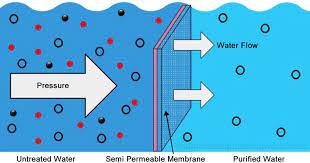
    • Reverse osmosis systems employ a semi-permeable membrane to filter out a wide range of contaminants, including PFOA. Research shows RO systems can achieve up to 99% removal efficiency for PFOA. However, these systems often require pre-filtration, making them more complex and potentially costly.
  3. Ion Exchange Resins

    • Emerging as a robust solution, ion exchange technology replaces PFOA ions with less harmful substances. Some studies indicate that this method can remove over 99% of PFOA. This technology may be particularly useful in municipal settings where large-scale treatment is necessary.
  4. Ceramic Filters with Specialized Coatings
    • Although less common, some ceramic filters engineered with specific coatings have shown promise for PFAS removal. These filters combine filtration techniques for enhanced effectiveness.

Product Performance Standards

When evaluating filtration products, it’s crucial to look for certifications. The ANSI/NSF 53 certification indicates that a filter can effectively reduce specific contaminants like PFOA. Recent guidelines suggest prioritizing filters meeting these standards for safety and reliability.

Top Water Filters for PFOA Removal

1. Home Master TMJRF2 Jr F2 Countertop Reverse Osmosis Water Filter System

Type: Reverse Osmosis

PFOA Removal Rate: Up to 99%

Certification: ANSI/NSF 58

The Home Master TMJRF2 is a popular choice for homeowners seeking thorough filtration. It features a multi-layer filtration process and reduces not only PFOA but also other harmful contaminants such as lead and chlorine, providing a comprehensive solution for water quality.

2. Brita UltraMax Filtering Dispenser

Type: Activated Carbon

PFOA Removal Rate: Approximately 90%

Certification: ANSI/NSF 42

The Brita UltraMax is accessible to consumers looking for an affordable and convenient filtration option. While it can’t remove PFOA as effectively as reverse osmosis systems, its activated carbon filter is a step toward safer drinking water.

3. AquaTru Countertop Water Filtration System

Type: Four-Stage Reverse Osmosis

PFOA Removal Rate: 99.5%

Certification: ANSI/NSF 58

With a compact design and high effectiveness, the AquaTru system transforms tap water into purified drinking water. Its four-stage filtration ensures the removal of PFOA and other contaminants.

4. iSpring RCC7AK 6-Stage Reverse Osmosis System

Type: Reverse Osmosis

PFOA Removal Rate: Up to 99%

Certification: ANSI/NSF 58

This system stands out for its six-stage filtration, which not only removes harmful contaminants but also adds beneficial minerals back into the water, improving taste.

5. SpringWell Reverse Osmosis System

Type: Reverse Osmosis

PFOA Removal Rate: Greater than 99%

Certification: ANSI/NSF 58

This filter combines performance and user-friendliness, allowing for easy installation and maintenance while ensuring comprehensive contaminant removal.

Maintenance and Considerations

Regular Replacement of Filter Cartridges

Maintaining the effectiveness of any filtration system hinges on timely replacement of filter cartridges. Most systems recommend changing filters every 6 months to 2 years, depending on usage and contaminant levels.

Monitoring Water Quality

Regular testing of tap water for PFOA and other contaminants should form part of a proactive approach in maintaining clean and safe drinking water. Homeowners and municipal operators should utilize EPA-approved testing kits to keep track of PFOA levels.

Conclusion

The presence of PFOA in drinking water is a pressing environmental and public health issue. Fortunately, several effective solutions exist, particularly robust filtering systems capable of reducing and eliminating PFOA contamination. Whether you’re a homeowner, a municipal official, or an environmental engineer, selecting a water filter that effectively removes PFOA is essential in addressing this critical problem.

Investing in a certified water filtration system not only ensures safety but also promotes a proactive approach to environmental health. As societal awareness of PFOA-related hazards continues to grow, so too does the responsibility to ensure access to clean and safe drinking water. By utilizing the right technologies and techniques, we can take significant strides toward a healthier future.

In a world increasingly concerned with water quality, the importance of water filters that remove PFOA cannot be overstated. Understanding the options available, along with their operational effectiveness and maintenance, empowers consumers and municipal authorities to make informed decisions in safeguarding public health.


source https://www.waterandwastewater.com/water-filter-that-removes-pfoa/

PFAS Advisory

Understanding the PFAS Advisory: Navigating the Challenges of Per- and Polyfluoroalkyl Substances

Introduction

In recent years, the emergence of per- and polyfluoroalkyl substances (PFAS) has caused significant concern among environmental professionals, municipalities, and health advocates alike. As a class of synthetic chemicals associated with a myriad of health risks—including cancer, liver damage, and reproductive issues—PFAS have been dubbed "forever chemicals" due to their persistence in the environment and human body. With the U.S. Environmental Protection Agency (EPA) and various states rolling out stringent PFAS advisories, understanding these regulations is not just vital—it’s essential for public health and environmental integrity. As of late July 2025, clarity around PFAS advisories has become more pressing, leaving industry stakeholders seeking solutions.

Keyword Analysis

Core Subject

The core subject of the keyword "PFAS Advisory" revolves around current guidelines, regulations, and scientific data regarding the management of PFAS in water, soil, and consumer products.

User Intent

The primary user intent behind this keyword is Informational. Users are looking for comprehensive, credible information on PFAS advisories to gain insights into health implications, regulatory actions, and effective mitigation strategies.

Likely Audience

Target readers include:

  • Environmental engineers
  • Municipal water treatment plant operators
  • Directors of public health departments
  • Policy makers and regulators
  • Environmental advocates and concerned citizens

Unique Outline

H2: What Are PFAS?

  • H3: A Brief Overview of PFAS Chemistry
  • H3: Historical Uses of PFAS in Industry

H2: Recent Developments in PFAS Advisory Standards

  • H3: Federal Regulations and the Role of the EPA
  • H3: State-Level Initiatives and Variations
  • H3: Global Responses to PFAS Contamination

H2: Health Impacts of PFAS Exposure

  • H3: Epidemiological Studies on PFAS
  • H3: Vulnerable Populations: Children and Pregnant Women
  • H3: Long-term Health Consequences and Cost Implications

H2: Water Treatment Solutions for PFAS

  • H3: Advanced Filtration Systems: Activated Carbon and Reverse Osmosis
  • H3: Emerging Technologies: Ion Exchange and Plasma-Based Solutions
  • H3: Case Studies of Effective PFAS Remediation

H2: Addressing PFAS in Soil and Air

  • H3: Soil Remediation Techniques
  • H3: Air Quality Monitoring and Controls
  • H3: Mitigation Strategies for Agricultural Applications

H2: Best Practices for Compliance with PFAS Advisory

  • H3: Monitoring and Reporting Protocols
  • H3: Community Involvement and Public Awareness
  • H3: Long-term Management Strategies

H2: Future Directions and Research Needs

  • H3: Innovations in PFAS Removal Technology
  • H3: Understanding PFAS Accumulation and Degradation
  • H3: Policy Recommendations for Stakeholders

Article Content

What Are PFAS?

A Brief Overview of PFAS Chemistry

PFAS, or per- and polyfluoroalkyl substances, are a group of human-made chemicals characterized by a carbon-fluorine bond that is one of the strongest in nature. This unique structure gives them remarkable resistance to heat, water, and grease, making them invaluable in various applications from firefighting foams to non-stick cookware.

Historical Uses of PFAS in Industry

Initially developed in the 1940s, PFAS have seen widespread use in industries such as textiles, coatings, and food packaging. However, the absence of stringent regulatory oversight until recent years meant that their environmental and health consequences were largely overlooked.

Recent Developments in PFAS Advisory Standards

Federal Regulations and the Role of the EPA

The EPA’s 2023 PFAS Strategic Roadmap aims to mitigate PFAS contamination through rigorous monitoring and risk assessment protocols. Recent advisories have initiated national requirements for testing drinking water sources, where levels above 4 parts per trillion (ppt) in certain contexts are deemed unacceptable.

State-Level Initiatives and Variations

States like California and Michigan have established their own stringent regulations on PFAS levels, often more aggressive than federal standards. These variations can create compliance challenges for operators working across state lines.

Global Responses to PFAS Contamination

Internationally, countries like Sweden and Denmark have taken the lead in banning certain PFAS substances. The European Union has also proposed regulations aiming to restrict these chemicals, indicating a growing recognition of the need for global action against PFAS contamination.

Health Impacts of PFAS Exposure

Epidemiological Studies on PFAS

Research indicates a strong correlation between PFAS exposure and various health risks. A meta-analysis from 2024 highlighted increased rates of kidney cancer and thyroid disorders in populations exposed to elevated PFAS levels.

Vulnerable Populations: Children and Pregnant Women

Children and pregnant women are particularly vulnerable to PFAS exposure, which has been linked to developmental risks. The 2025 report from the CDC noted increased attention on this cohort due to the long-lasting effects of PFAS on fetal and early-childhood health.

Long-term Health Consequences and Cost Implications

The financial burden of PFAS-related health issues is staggering. Estimates suggest that addressing health implications arising from PFAS exposure could reach billions annually in healthcare costs and loss of productivity.

Water Treatment Solutions for PFAS

Advanced Filtration Systems: Activated Carbon and Reverse Osmosis

Activated carbon filtration remains one of the most commonly employed water treatment technologies, effectively reducing PFAS concentrations. For example, the EPA’s recently approved method M-513 emphasizes carbon as the primary removal mechanism for PFAS filtering.

Emerging Technologies: Ion Exchange and Plasma-Based Solutions

Innovations such as ion exchange resins designed specifically for PFAS are showing promise. Similarly, plasma-based treatments are being investigated for their ability to break down PFAS molecules in situ.

Case Studies of Effective PFAS Remediation

Numerous municipalities have reported success stories; for instance, a recent project in New Jersey implemented multi-stage reverse osmosis systems that reduced PFAS levels below detectable limits—a standard now adopted by neighboring states.

Addressing PFAS in Soil and Air

Soil Remediation Techniques

Popular remediation techniques include bioremediation, where specific microorganisms degrade PFAS, and thermal treatments that destroy PFAS compounds in contaminated soils.

Air Quality Monitoring and Controls

As airborne PFAS pose additional risks, stringent monitoring of emissions from industrial sites is essential. New regulations are pushing for better air management systems.

Mitigation Strategies for Agricultural Applications

With PFAS entering agricultural ecosystems, best practices have emerged, including soil testing and careful agricultural management to reduce exposure pathways.

Best Practices for Compliance with PFAS Advisory

Monitoring and Reporting Protocols

Regular monitoring of PFAS levels in water supplies is now a best practice, often mandated by state and federal advisories. Operators must remain vigilant and prepare annual reports.

Community Involvement and Public Awareness

Encouraging community engagement around local PFAS concerns fosters better awareness and proactive behaviors. Many municipalities are forming outreach programs to educate the public.

Long-term Management Strategies

Implementing long-term management plans is crucial for sustainability. This includes continuous assessment and adaptive management approaches, ensuring compliance with evolving advisories.

Future Directions and Research Needs

Innovations in PFAS Removal Technology

Research into advanced treatment technologies such as Electrochemical and AOP (Advanced Oxidation Processes) is essential for developing more efficient solutions.

Understanding PFAS Accumulation and Degradation

Further studies are required to elucidate the pathways of PFAS degradation and mobilization, particularly in complex environmental matrices.

Policy Recommendations for Stakeholders

Stakeholders must advocate for progressive legislation that not only addresses current exposure but also promotes research into alternative compounds that may reduce reliance on PFAS.

Conclusion

The conversation surrounding PFAS advisories is complex but crucial for safeguarding public health and the environment. As federal and state regulations continue to evolve, it’s paramount for water treatment professionals, policymakers, and community stakeholders to remain informed and proactive. The advancement of technologies tailored for PFAS management, combined with solid community outreach, will set the groundwork for a healthier future free from the risks associated with these persistent chemicals. Understanding and adhering to PFAS advisories is not just a regulatory requirement; it is a moral imperative that will define environmental stewardship efforts in the years to come.


source https://www.waterandwastewater.com/pfas-advisory/

Saturday, November 22, 2025

Complete Water Filtration Methods for Municipal Treatment Systems

Complete Water Filtration Methods for Municipal Treatment Systems

Complete Water Filtration Methods for Municipal Treatment Systems

Introduction

Over 2 billion people worldwide lack access to safely managed drinking water services, and that’s just a staggering reality check. The filtration of water is not merely a technical requirement; it’s a lifeline. For municipalities, ensuring that clean drinking water flows from taps isn’t just a service it’s a responsibility.

Municipal treatment systems are the unsung heroes in this saga, transforming murky supplies into crystal-clear H2O. Think of them as the ultimate bouncers at the club of hydration, filtering out unwanted guests like bacteria, heavy metals, and even pesky chlorine. But how do they do it? What methods are at their disposal?

Filtration of water is essential for public health and environmental sustainability. It encompasses everything from sediment filtration to advanced UV purification techniques.

This post will unpack the various methods employed in municipal water treatment systems everything from simple sediment filters to complex reverse osmosis setups. We’ll also explore the latest innovations that make these systems more efficient and eco-friendly.

Ready to dive into the world of water filtration? Grab your favorite beverage (preferably one that’s been filtered) and let’s get started!


Overview of Filtration of Water in Municipal Systems

Let’s face it: nobody wants to drink water that looks like it came from a muddy puddle. The filtration of water in municipal systems isn’t just a luxury; it’s a necessity for public health and safety. Clean drinking water is the backbone of any community, and without effective filtration methods, we’d be in deep trouble.

Over 2 billion people lack access to safe drinking water, making effective municipal filtration systems crucial for public health.

The role of filtration in water treatment cannot be overstated. It’s the superhero cape that transforms potentially harmful H2O into the refreshing liquid we all need to survive. Various techniques are employed, from sediment filtration to advanced reverse osmosis systems, each playing a vital part in ensuring our taps flow with clean water.

  • Importance of water purification: Water sources can be contaminated with bacteria, viruses, heavy metals, and other pollutants. Effective filtration removes these harmful substances, safeguarding public health.
  • Role of filtration in water treatment: Filtration acts as the first line of defense against contaminants. It’s not just about filtering out dirt; it’s about providing clean drinking water that meets safety standards.
  • Challenges faced by municipalities: From aging infrastructure to budget constraints, municipalities often struggle to maintain effective filtration systems. This leads to potential risks for communities relying on their local water supply.

Here’s the kicker: many municipalities still rely on outdated filtration technologies that can’t keep up with modern contamination challenges. It’s time for a wake-up call! Upgrading to smarter solutions like UV water purification or advanced carbon block filters can drastically improve water quality.

In addition to technology hurdles, there are also environmental considerations. With climate change affecting rainfall patterns and increasing pollution levels, municipalities must adapt their filtration strategies accordingly. This means investing not only in new technology but also in sustainable practices that ensure future generations have access to clean drinking water.

The interesting part? Municipalities are beginning to embrace eco-friendly solutions that not only purify but also protect our planet. Think about it: what if your local system could filter out contaminants while reducing its carbon footprint? The future is looking bright for innovative municipal treatments!

As we move forward into an era where clean drinking water should be a given rather than a privilege, understanding the intricacies of the filtration process becomes essential for engineers and operators alike. The goal is clear: enhance existing systems while exploring new technologies to meet growing demands.

Types of Water Filtration Methods

Water filtration isn’t just a trendy buzzword; it’s a necessity for clean drinking water. With the myriad of filtration methods available, each has its own role in the grand scheme of municipal water treatment. Let’s break down the most common types that make our water safe and palatable.

Sediment filtration is often the first line of defense against dirt, rust, and other particles. Think of it as your water’s bouncer, keeping the unwanted guests out!

  • Sediment Filtration: This method employs filters that trap larger particles like sand and silt. It’s crucial for protecting downstream equipment from wear and tear.
  • Activated Carbon Filters: These bad boys are like sponges for bad tastes and odors. They work by adsorbing contaminants such as chlorine, volatile organic compounds (VOCs), and even some heavy metals. If your water tastes funky, activated carbon is likely your best friend.
  • Reverse Osmosis Systems: RO systems are akin to a superhero for your water, using pressure to push it through a semi-permeable membrane. This process removes up to 99% of dissolved solids, bacteria, and viruses making it one of the most effective methods for ensuring purity.
  • UV Water Purification: Ultraviolet light isn’t just for tanning; it’s also a powerful germ killer! UV systems neutralize bacteria and viruses without adding chemicals to your water perfect for those who want to keep things natural yet effective.
  • Ionic Exchange Filtration: This method is particularly popular in softening hard water by swapping out calcium and magnesium ions with sodium or potassium ions. If you’ve ever experienced limescale build-up in your appliances, this one’s a game-changer!
  • Alkaline Water Filters: These filters not only purify but also raise the pH level of drinking water. Advocates claim alkaline water can help neutralize acidity in the body though scientific backing varies widely.

The interesting part? Not all filtration methods are created equal! Each has its strengths tailored to specific contaminants or issues faced by municipal systems. For instance, while sediment filters excel at removing large particles, they won’t touch dissolved chemicals or pathogens that’s where activated carbon or reverse osmosis comes into play.

When selecting a filtration system, consider what you’re filtering out. A combination of these methods often yields the best results for comprehensive treatment after all, why settle for just one filter when you can have a whole team working together?

Advanced Filtration Techniques for Enhanced Purity

When it comes to the filtration of water, not all heroes wear capes. Some come in the form of advanced filtration techniques that elevate the purity of our drinking water to superhero status. Municipalities are increasingly turning to these sophisticated methods not just for compliance but for the health and safety of their communities.

Carbon block filters can reduce contaminants like chlorine, lead, and sediment by up to 99%, making them a game-changer in municipal treatment systems.

Carbon Block Filters

If you think all carbon filters are created equal, think again! Carbon block filters are like the Swiss Army knives of water filtration. They combine activated carbon’s adsorption capabilities with a dense structure that captures even the tiniest particles. This dual action means they’re fantastic at reducing harmful chemicals while improving taste and odor. In fact, many municipalities have adopted these filters in their systems to tackle issues like chlorine reduction and heavy metal removal.

Ceramic Water Filters

Ceramic filters might sound old-school, but they’re still one of the most effective ways to ensure clean drinking water. These filters work through a process called microfiltration, effectively blocking bacteria and protozoa while allowing clean water to pass through. Imagine a tiny sieve that catches the bad guys these filters can remove pathogens down to 0.2 microns! Plus, they’re eco-friendly and reusable, making them an attractive option for both municipal systems and home users alike.

Bacteria and Virus Removal Filters

With increasing concerns about waterborne diseases, bacteria and virus removal filters have become essential in municipal treatment systems. These advanced technologies often employ UV light or chemical disinfectants to neutralize harmful microorganisms without adding any unwanted chemicals to the water supply. The interesting part? Some systems even integrate this technology with existing filtration methods like reverse osmosis or activated carbon for a multi-barrier approach that ensures maximum safety.

But here’s where things break down: not all municipalities utilize these advanced techniques effectively. A common misconception is that basic sediment filtration is sufficient for safe drinking water; however, this is far from reality. If you’re relying solely on sediment filters in your municipal system, you might be leaving your community vulnerable to contaminants lurking beneath the surface.

In conclusion, investing in advanced filtration techniques is no longer optional it’s essential for ensuring public health and delivering clean drinking water. Municipalities must embrace these technologies if they want to keep up with modern standards of water treatment. Next time you fill your glass from the tap, consider what innovative methods might be working behind the scenes!

Filtration Systems for Different Applications

Not all filtration systems are created equal. Depending on the application, you need a tailored approach to ensure the filtration of water is effective. Let’s break down the primary systems used in municipal treatment facilities and point-of-use solutions.

Municipal water treatment facilities often utilize large-scale filtration systems designed to handle massive volumes of water, while point-of-use filtration solutions cater to individual households or specific applications.

Municipal Water Treatment Facilities

At the heart of municipal water treatment, you’ll find complex filtration systems that serve entire communities. These facilities typically employ a combination of methods:

  • Sediment Filtration: This is the first line of defense, removing larger particles like dirt and debris before they can cause havoc downstream.
  • Activated Carbon Filters: These beauties absorb chlorine, volatile organic compounds (VOCs), and even some heavy metals, ensuring that what flows from your tap isn’t just clean but also tasty.
  • Reverse Osmosis Systems: Often used for advanced purification, these systems can remove up to 99% of contaminants, including lead and fluoride. They’re like the bouncers at an exclusive club only the good stuff gets through!
  • UV Water Purification: This method zaps bacteria and viruses with ultraviolet light. It’s efficient and eco-friendly no chemicals required!

Point of Use Filtration Solutions

If you think municipal systems have all the fun, think again! Point-of-use (POU) filters are gaining traction in homes across the globe. They’re compact, convenient, and pack a punch when it comes to purifying your drinking water:

  • Ceramic Water Filters: Perfect for individual households or camping trips! They filter out bacteria and sediment while being eco-friendly.
  • Faucet-Mounted Filters: These are easy to install and provide immediate access to filtered water right from your kitchen sink. Talk about convenience!
  • Pitcher Water Filters: A classic choice for many households; they’re simple yet effective for removing chlorine taste and odor.
  • Inline Water Filters: Installed directly into your plumbing system, these filters provide continuous clean drinking water without taking up counter space.

The Versatility Factor

The versatility of these filtration systems is key. Whether you’re dealing with well water treatment or looking for an emergency water filtration solution during a natural disaster, there’s a system designed for that specific application.

The takeaway? Understanding your specific needs whether it’s for clean drinking water at home or treating large quantities at a municipal facility will guide you in selecting the right filtration system. Don’t just settle; ensure you’re equipped with the best tools for optimal water purification!

Eco-Friendly and Smart Home Filtration Options

Imagine a filtration system that not only cleans your water but also saves the planet sounds like a dream, right? Well, welcome to the age of eco-friendly and smart home filtration systems. With growing concerns about environmental impact and health, these options are making waves in the water purification scene.

First off, let’s talk about BPA-free filters. These are essential for anyone serious about clean drinking water. BPA (Bisphenol A) is a nasty little chemical found in many plastics that can leach into your water. Opting for BPA-free filters means you’re not just filtering your water but also eliminating harmful chemicals from your life.

Did you know? Over 90% of plastic waste is never recycled, making eco-friendly filtration options crucial for sustainability.

Smart Technology Meets Water Filtration

The interesting part? Smart home filtration systems are here to revolutionize how we think about water purification. Imagine being able to monitor your water quality right from your smartphone! Systems like those equipped with IoT technology can alert you when filters need changing or if there’s a drop in water quality. It’s like having a personal assistant for your hydration needs!

Types of Eco-Friendly Filters

  • Gravity-Fed Water Filters: These require no electricity and can filter out bacteria and sediment effectively.
  • Ceramic Water Filters: Made from natural materials, these filters are excellent at removing contaminants while being environmentally friendly.
  • Activated Carbon Filters: Not only do they improve taste by removing chlorine and odors, but they are also highly effective against heavy metals.
  • Portable Water Filters: Perfect for camping or emergency situations, these filters allow you to purify well or municipal water on-the-go.

The Role of Whole House Filtration Systems

If you’re serious about clean drinking water throughout your home, consider whole house filtration systems. They treat all incoming water think showers, dishwashers, and even your garden hose! This means no more worrying about contaminants lurking in unexpected places. Plus, many of them come with eco-friendly options that minimize waste while maximizing efficiency.

A Few Misconceptions

A common myth is that all filtration systems require extensive maintenance or are too costly to install. In reality, many modern systems offer low-maintenance solutions with long-lasting filters that won’t break the bank. Brands like AquaSana and Berkey have made it easier than ever to have high-quality filtration without constant upkeep.

The bottom line? Investing in eco-friendly and smart home filtration options isn’t just a trend; it’s a lifestyle change that promotes health and sustainability. So why not make the switch today? Your body and the planet will thank you!

The Importance of Certification in Water Filtration Products

Ever wondered why your water filter has a little sticker that looks like it belongs on a car? That’s the certification mark, and it’s not just for show. Certification in water filtration products is crucial for ensuring that what you’re drinking is safe and clean.

When municipalities invest in the filtration of water, they often rely on certified products to meet stringent safety standards. These certifications, such as those from NSF International or the Water Quality Association, act like a stamp of approval, confirming that the product has been rigorously tested for performance and safety.

Key Takeaway: Always look for certified filters to ensure they effectively remove contaminants like lead, chlorine, and bacteria. Your health deserves nothing less!

What Does Certification Mean?

Certification means a product has undergone specific testing to verify its claims about contaminant reduction and overall effectiveness. Think of it as a seal of trustworthiness in the vast world of water filtration systems. Without it, you’re basically rolling the dice on your drinking water quality.

Common Certifications to Look For

  • NSF/ANSI 42: This certification indicates chlorine reduction and aesthetic improvements.
  • NSF/ANSI 53: Focuses on health-related contaminants such as lead and volatile organic compounds (VOCs).
  • NSF/ANSI 61: Ensures that materials used in the filtration system are safe for drinking water contact.
  • WQA Gold Seal: Another reputable mark indicating rigorous testing and compliance with industry standards.

The Risks of Skipping Certification

If you think going for an unverified filter will save you some cash, think again! Uncertified filters can be ineffective at removing harmful substances, leading to potential health risks. Imagine sipping on what you thought was clean water only to find out it’s full of contaminants yikes!

The Growing Trend Towards Eco-Friendly Certifications

Sustainability is becoming paramount in the filtration industry. Many consumers are now looking for eco-friendly certifications, which not only guarantee safety but also promote environmentally responsible practices. Brands that focus on making their filters BPA-free or use recyclable materials are gaining traction among eco-conscious buyers.

The Bottom Line: Don’t Compromise on Safety

Your health is non-negotiable, especially when it comes to something as vital as drinking water. Investing in certified filtration systems means investing in your well-being. So next time you’re shopping for a home water filter or municipal treatment solution, remember: certification isn’t just a fancy label; it’s your assurance of clean drinking water.

Conclusion: Ensuring Clean Drinking Water Through Effective Filtration Methods

Clean drinking water is not just a luxury; it’s a necessity. With the alarming rise in water contamination, relying on outdated filtration methods is like using a flip phone in the age of smartphones. The filtration of water has evolved, and so should our systems.

Municipalities are stepping up their game to ensure that every drop served is safe and pure. Advanced technologies like reverse osmosis, UV water purification, and activated carbon filters are now the gold standard for effective water treatment. But here’s the kicker: not all systems are created equal. The right choice depends on your specific needs be it for municipal treatment facilities or home use.

Key Insight: Upgrading to a modern filtration system can reduce contaminants like lead, chlorine, and even bacteria, making your drinking water safer.

Understanding Your Options

The world of water filtration can be overwhelming, with options ranging from point-of-use solutions to whole-house systems. For municipalities, investing in robust technologies ensures compliance with safety regulations while providing residents with clean drinking water. On the other hand, homeowners can benefit from compact solutions like under-sink filters or countertop models that fit seamlessly into their lives.

A Closer Look at Filtration Techniques

  • Sediment filtration: Perfect for removing larger particles from well water.
  • Activated carbon filters: Excellent for reducing chlorine and improving taste.
  • Reverse osmosis: A powerful method for removing heavy metals and contaminants.
  • UV purification: Kills bacteria and viruses without chemicals safe and eco-friendly!

The interesting part? Many municipalities are now incorporating smart home filtration systems into their infrastructure, allowing residents to monitor their water quality through apps. This not only empowers users but also fosters trust between communities and their local governments.

The Future of Water Filtration

As we look ahead, emerging technologies will continue to reshape how we approach the filtration of water. Expect innovations such as portable filters for emergency situations or gravity-fed systems that require no power source ideal for rural areas or during natural disasters.

In conclusion, ensuring clean drinking water through effective filtration methods is no longer optional; it’s essential. Whether you’re part of a municipal system or simply concerned about your home’s drinking supply, embracing advanced filtration techniques will safeguard health and enhance quality of life. Don’t wait until you have a problem act now!

Overview of Filtration of Water in Municipal Systems

  • Importance of water purification
  • Role of filtration in water treatment
  • Challenges faced by municipalities

Types of Water Filtration Methods

  • Sediment Filtration
  • Activated Carbon Filters
  • Reverse Osmosis Systems
  • UV Water Purification
  • Ionic Exchange Filtration
  • Alkaline Water Filters

Advanced Filtration Techniques for Enhanced Purity

  • Carbon Block Filters
  • Ceramic Water Filters
  • Bacteria and Virus Removal Filters

Filtration Systems for Different Applications

  • Muncipal Water Treatment Facilities
  • Point of Use Filtration Solutions

Eco-Friendly and Smart Home Filtration Options

  • BPA-Free Filters for Drinking Water Systems

The Importance of Certification in Water Filtration Products

Conclusion: Ensuring Clean Drinking Water Through Effective Filtration Methods


source https://www.waterandwastewater.com/filtration-of-water-municipal-treatment-guide/

Public Water System PFAS

Public Water System PFAS: Navigating the Challenge of Contaminants in Our Drinking Water

Introduction

In recent years, the presence of per- and polyfluoroalkyl substances (PFAS) in public water systems has emerged as a critical concern for municipal directors, environmental engineers, and plant operators alike. These "forever chemicals" have been linked to serious health issues, prompting urgent calls for systematic testing and remediation. As of July 2025, the regulatory landscape regarding PFAS has shifted significantly, requiring public water systems to adapt to evolving guidelines from the Environmental Protection Agency (EPA) and local governing bodies. This article delves into the implications of PFAS contamination in public water systems, offering actionable insights for decision-makers to safeguard public health.

Understanding PFAS: The Backbone of the Issue

What are PFAS?

Per- and polyfluoroalkyl substances (PFAS) are a group of synthetic chemicals used for their water- and grease-resistant properties. They are commonly found in various consumer products, from non-stick cookware to water-repellent clothing. According to the American Chemical Society, thousands of PFAS exist, but only a select few have been studied extensively.

Health Risks Associated with PFAS

Emerging research indicates that PFAS can have severe health effects, including:

  • Cancer: Elevated levels of certain PFAS have been linked to an increased risk of prostate, kidney, and testicular cancers.
  • Reproductive Toxicity: Studies show potential links to reduced fertility and developmental issues in children.
  • Immune Response: PFAS exposure may weaken immune responses, making individuals more susceptible to infections.

A 2023 study published in the Journal of Environmental Health noted a striking correlation between PFAS concentrations in drinking water and the incidence of certain cancers, further complicating the public health narrative.

The Current Regulatory Framework

EPA Regulations as of 2025

As of mid-2025, the EPA has set stricter enforceable limits for PFAS in drinking water. According to the updated National Primary Drinking Water Regulations (NPDWR), public water systems must monitor for specific PFAS compounds, including PFOA and PFOS. The proposed maximum contaminant levels (MCLs) are as low as 4 parts per trillion, making compliance a high-stakes endeavor for municipalities.

Additionally, the EPA has mandated:

  • Monitoring and Reporting: Public water systems must regularly test for PFAS and report findings.
  • Remediation Guidelines: Systems exceeding MCLs must develop remediation plans within a designated timeframe.

State Regulations

Many states have taken action, establishing their own limits that often exceed federal requirements. For example, California has proposed a maximum contaminant level of 2 parts per trillion for PFOA. Municipalities must remain vigilant to comply with both state and federal standards to avoid potential legal repercussions.

Technological Solutions for PFAS Removal

Filtration Technologies

Activated Carbon Filtration

Activated carbon systems are commonly employed to remove PFAS from drinking water. These systems work by adsorbing PFAS compounds, preventing them from passing through to the final treated water. A 2024 industry report indicated that activated carbon systems show up to a 90% reduction in PFAS concentrations.

Reverse Osmosis

Reverse osmosis is another effective technique that can remove a wide range of contaminants, including PFAS. This method utilizes a semi-permeable membrane to filter out salts and impurities. Research recommends hybrid systems that employ both reverse osmosis and activated carbon for optimal PFAS reduction.

Emerging Technologies

Recent developments in advanced oxidation processes (AOP) present a promising avenue for PFAS treatment. AOPs utilize powerful oxidants to decompose PFAS compounds into harmless byproducts. While still in pilot phases, early studies show up to 99% degradation of specific PFAS types.

Monitoring and Testing Protocols

Regular Sampling

Public water systems must establish a robust monitoring framework. Regular sampling should include:

  • Frequency of Testing: States recovering from historical contamination might require monthly testing, while compliant systems might test quarterly.
  • Sampling Locations: Both source water and distribution systems should be tested to ensure comprehensive coverage.

Data Management and Reporting

Municipalities are encouraged to leverage data management systems for tracking PFAS testing results. Cloud-based solutions can help maintain records, facilitate reporting, and streamline the remediation planning process.

Community Involvement and Communication

Transparency and Education

Building community trust is critical in addressing PFAS concerns. Public water systems should:

  • Communicate Findings: Regularly inform the community about water quality, test results, and remediation plans.
  • Engage Stakeholders: Hold town hall meetings to discuss concerns and gather public input.

Advocacy and Policy Support

Collaboration with local legislators can strengthen efforts for effective PFAS management. Key actions include advocating for:

  • Increased funding for research and technologies aimed at PFAS remediation.
  • Legislative support for stricter testing and monitoring laws.

Conclusion

As we navigate the complexities surrounding PFAS contamination in public water systems, it’s imperative that municipal leaders, environmental engineers, and plant operators adopt a proactive approach. With the regulatory landscape evolving, investing in innovative treatment technologies and fostering community engagement will not only ensure compliance but will also help protect public health for generations to come. By prioritizing transparency and responsibility, public water systems can turn a challenge into an opportunity for improvement, rebuilding trust and maintaining equitable access to safe drinking water.

Informed decision-making today can lead to a healthier tomorrow. Let’s work together to tackle the challenges posed by PFAS in our water supply.


source https://www.waterandwastewater.com/public-water-system-pfas/

PFAS Risk Assessment

Comprehensive PFAS Risk Assessment: Understanding the Implications and Solutions

Introduction

As the prevalence of per- and polyfluoroalkyl substances (PFAS) continues to pose significant risks to public health and the environment, a comprehensive PFAS risk assessment has become indispensable for regulators, industry professionals, and communities alike. PFAS, often dubbed “forever chemicals” due to their persistence in the environment, have been linked to various adverse health effects, including immune system dysfunction, developmental issues in children, and increased cancer risks. By July 2025, ongoing regulatory changes and heightened public awareness further underscore the urgency of understanding these substances’ risks and implementing effective strategies to mitigate their impact. This article aims to guide stakeholders through the complexities of PFAS risk assessment, providing actionable insights to safeguard communities and ecosystems.

Understanding PFAS: A Brief Overview

What Are PFAS?

PFAS encompass a vast group of synthetic chemicals used since the 1940s for their water- and grease-resistant properties. Key applications include non-stick cookware, water-repellent clothing, and firefighting foams. Due to their chemical structure, PFAS resist environmental degradation, leading to widespread contamination of soil and water supplies.

Health and Environmental Concerns

Recent studies accentuate the alarming health risks associated with PFAS exposure. A comprehensive analysis published in the Environmental Health Perspectives in 2024 found that exposure to certain PFAS variants could lead to developmental delays in children and a higher incidence of testicular and kidney cancers. Moreover, associations with thyroid dysfunction and gestational hypertension further complicate the public health narrative surrounding these substances.

PFAS Risk Assessment: Framework and Methodology

Core Objectives of PFAS Risk Assessment

The primary goal of a PFAS risk assessment is to evaluate potential health risks and environmental impacts to inform regulatory decisions, industry practices, and community awareness initiatives. The assessment framework typically includes:

  1. Hazard Identification: Establishing whether PFAS pose health risks based on scientific studies.
  2. Dose-Response Assessment: Quantifying the relationship between the level of exposure and the incidence of adverse health effects.
  3. Exposure Assessment: Determining the extent of human and environmental exposure, including routes such as ingestion, inhalation, and dermal absorption.

Current Regulatory Landscape

Evolving Standards and Guidelines

As of July 2025, PFAS regulation has accelerated globally, led by agencies such as the U.S. Environmental Protection Agency (EPA) and the European Chemicals Agency (ECHA). New guidelines have emerged, including the EPA’s 2024 draft health advisories, recommending stringent limits on the concentration of PFAS in drinking water, set as low as 0.004 parts per trillion for PFOA and PFOS.

Implications of Regulatory Action

Failure to comply with these evolving standards can result in significant penalties, including financial liabilities and reputational damage. Consequently, municipalities and industries are investing in innovative technologies and systems designed to identify and mitigate PFAS contamination.

Techniques and Tools for PFAS Risk Assessment

Sampling and Analytical Methods

Conducting an effective PFAS risk assessment requires robust sampling and analytical methodologies. Comprehensive soil and water testing is essential, employing techniques such as:

  • Liquid Chromatography-Tandem Mass Spectrometry (LC-MS/MS): This method enables the accurate quantification of PFAS in various matrices.
  • Total Oxidizable Precursor (TOP) Assay: This newer approach identifies precursor compounds that can eventually degrade into more harmful PFAS.

Risk Characterization Models

Risk characterization models assist in interpreting data collected during hazard identification and exposure assessment. The integration of models such as the Human Health Risk Assessment (HHRA) framework provides a systematic approach to evaluate potential risks posed to different populations, including occupational workers and vulnerable groups, such as children and pregnant women.

Practical Solutions: Mitigating PFAS Risks

Water Treatment Technologies

Several advanced water treatment technologies have emerged as effective solutions for PFAS removal:

  • Granular Activated Carbon (GAC) Filtration: GAC systems effectively adsorb PFAS from drinking water, although they require periodic replacement to maintain efficacy.
  • Reverse Osmosis (RO): This membrane technology has demonstrated high removal efficiencies for PFAS, particularly in large-scale water treatment facilities.

Source Reduction Strategies

Eliminating or minimizing PFAS at the source remains a crucial element in risk management. Industries are increasingly adopting measures such as:

  • Green Chemistry: This approach encourages the development of alternative materials and processes that eliminate the need for PFAS.
  • Product Stewardship Programs: Initiatives aimed at manufacturers to take responsibility for the lifecycle of their products, including take-back schemes and eco-labeling.

Community Engagement and Stakeholder Involvement

Importance of Transparent Communication

Effective PFAS risk assessment must include ongoing engagement with affected communities. Public forums, workshops, and educational initiatives allow for transparency and equip citizens with the knowledge to understand their risks and advocate for necessary changes.

Collaborating with Stakeholders

Partnerships among government agencies, non-profit organizations, and industry stakeholders can amplify collective action against PFAS contamination. Collaborative approaches, such as community monitoring programs, enhance public trust and facilitate data sharing.

Conclusion

The complexity surrounding PFAS necessitates a multifaceted approach to risk assessment and management. As regulatory frameworks evolve and technological advancements continue to emerge, stakeholders must prioritize comprehensive PFAS risk assessments to ensure public health and environmental integrity. Understanding the nuances of PFAS exposure, implementing effective treatments, and fostering community engagement are vital to mitigating these “forever chemicals’” impact. By taking proactive steps today, we can champion a healthier, safer future for generations to come.


By synthesizing technical knowledge, regulatory insights, and community engagement strategies, this article aims to serve as a resource for professionals engaged in PFAS risk assessment and management. For further information, consulting industry reports and guidelines will provide additional context and support in navigating this complex landscape.


source https://www.waterandwastewater.com/pfas-risk-assessment/

Friday, November 21, 2025

Mass Spectrometry PFAS Analysis

Mass Spectrometry PFAS Analysis: Unveiling Solutions for Environmental Protection

Introduction

Per- and polyfluoroalkyl substances (PFAS) have emerged as a critical concern for environmental engineers, public health officials, and regulatory bodies. These synthetic compounds, often dubbed “forever chemicals” due to their persistence in the environment and human body, have been linked to a range of adverse health effects. As regulations tighten and public awareness grows, effective detection and analysis of PFAS in water and soil have become paramount. Mass spectrometry (MS) has established itself as a valuable tool in this fight, offering unparalleled sensitivity and specificity. This article will explore the role of mass spectrometry in PFAS analysis, its advantages, challenges, recent advancements, and the regulatory landscape surrounding this critical issue.

User Intent Analysis

Core Subject:
The article focuses on the analysis of PFAS using mass spectrometry techniques.

Primary User Intent:
Informational. The target audience is likely seeking insights into how mass spectrometry can be effectively employed in PFAS analysis, including its benefits, methodologies, and the regulatory context of PFAS detection.

Likely Audience:

  • Environmental engineers and scientists
  • Municipal water treatment facility operators
  • Regulatory compliance officers
  • Environmental consultants
  • Public health officials and policymakers

Outline

1. Understanding PFAS: The What and Why

  • 1.1 Definition and Classification of PFAS
  • 1.2 Sources and Environmental Impact
  • 1.3 Health Risks Associated with PFAS Exposure

2. The Importance of Detecting PFAS

  • 2.1 Growing Regulatory Pressure
  • 2.2 Public Awareness and Environmental Justice
  • 2.3 The Need for Reliable Analytics

3. Overview of Mass Spectrometry

  • 3.1 What is Mass Spectrometry?
  • 3.2 How Mass Spectrometry Works
  • 3.3 Types of Mass Spectrometry Techniques in PFAS Analysis

4. Advantages of Mass Spectrometry for PFAS Detection

  • 4.1 High Sensitivity and Selectivity
  • 4.2 Versatility in Analyzing a Broad Range of PFAS
  • 4.3 Minimal Sample Preparation Requirements

5. Methodologies and Best Practices

  • 5.1 Sample Collection and Preparation
  • 5.2 Instrument Calibration and Validation
  • 5.3 Data Interpretation and Reporting Standards

6. Challenges and Limitations

  • 6.1 Analytical Challenges in PFAS Detection
  • 6.2 Instrumentation Costs and Accessibility
  • 6.3 Addressing Regulatory Compliance and Quality Control

7. Recent Technological Advances in Mass Spectrometry

  • 7.1 Improved Analytical Techniques and Instrumentation
  • 7.2 Innovations in Sample Preparation
  • 7.3 Advancements in Data Processing Software

8. Case Studies and Real-World Applications

  • 8.1 Municipal Water Treatment Facilities
  • 8.2 Industrial Discharge Monitoring
  • 8.3 Groundwater Assessment Projects

9. Future Directions in PFAS Analysis

  • 9.1 Policy Changes and Emerging Regulations
  • 9.2 Research Trends and the Need for Continued Innovation
  • 9.3 Building Capacity for Broad Adoption of Mass Spectrometry

Article Content

1. Understanding PFAS: The What and Why

1.1 Definition and Classification of PFAS

PFAS comprises a broad group of over 4,700 synthetic compounds characterized by carbon-fluorine bonds, which are among the strongest in organic chemistry. These compounds can be divided into several classes, including perfluoroalkyl acids (PFAAs) and perfluorinated alkyl substances (PFASs), each exhibiting unique chemical properties and uses.

1.2 Sources and Environmental Impact

PFAS are ubiquitous, found in various applications ranging from firefighting foams to nonstick cookware. Due to their resistance to degradation, they accumulate in the environment, leading to widespread contamination of water resources, soils, and even the food chain. Studies have shown that over 60% of U.S. drinking water systems may contain PFAS at detectable levels.

1.3 Health Risks Associated with PFAS Exposure

Numerous epidemiological studies suggest a correlation between PFAS exposure and adverse health outcomes, including immune system dysfunction, hormone disruption, and increased cancer risk. The need for monitoring and remediation is particularly acute given the significant numbers of people potentially affected.

2. The Importance of Detecting PFAS

2.1 Growing Regulatory Pressure

As evidence of the health risks posed by PFAS mounts, regulatory bodies such as the Environmental Protection Agency (EPA) have begun mandating lower detection levels and stricter guidelines for PFAS in drinking water. The EPA’s interim health advisories for PFOA and PFOS have set action levels at 0.004 parts per trillion (ppt) and 0.02 ppt, respectively.

2.2 Public Awareness and Environmental Justice

Increased public awareness around PFAS has led to demands for transparency and accountability from pollution sources. Communities disproportionately affected—often low-income or minority populations—are pushing for more stringent monitoring and improved public health measures.

2.3 The Need for Reliable Analytics

Effective management of PFAS contamination hinges upon reliable analytical methods. Mass spectrometry, with its ability to quantify low levels of PFAS in complex matrices, is thus crucial for compliance monitoring and human health risk assessments.

3. Overview of Mass Spectrometry

3.1 What is Mass Spectrometry?

Mass spectrometry is an analytical technique employed to measure the mass-to-charge ratio of ions. This technique allows for the identification and quantification of chemical compounds within a sample.

3.2 How Mass Spectrometry Works

The process begins by ionizing chemical components of a sample, after which those ions are sorted based on their mass-to-charge ratios. The results are recorded to generate spectra that reveal the composition of the sample.

3.3 Types of Mass Spectrometry Techniques in PFAS Analysis

Several types of mass spectrometry are commonly used for PFAS analysis, including:

  • Gas Chromatography-Mass Spectrometry (GC-MS)
  • Liquid Chromatography-Mass Spectrometry (LC-MS)
  • High-Resolution Mass Spectrometry (HRMS)

Each technique has its strengths and weaknesses, which must be evaluated based on the specific PFAS targets and environmental matrices.

4. Advantages of Mass Spectrometry for PFAS Detection

4.1 High Sensitivity and Selectivity

Mass spectrometry boasts remarkable sensitivity, allowing for the detection of PFAS at low concentrations, often in the ppt range. This is crucial given the environmental and regulatory trends pushing for lower detection limits.

4.2 Versatility in Analyzing a Broad Range of PFAS

Mass spectrometry can analyze a wide array of PFAS compounds, including long-chain and short-chain variants. This ability facilitates comprehensive environmental assessments and source tracking efforts.

4.3 Minimal Sample Preparation Requirements

Compared to traditional analytical techniques, mass spectrometry often requires less extensive sample preparation, reducing the potential for sample loss and contamination.

5. Methodologies and Best Practices

5.1 Sample Collection and Preparation

Proper sampling techniques are crucial to ensure representative and untainted samples. Protocols should include appropriate containers and preservatives, with an emphasis on minimizing cross-contamination.

5.2 Instrument Calibration and Validation

Regular calibration of mass spectrometry instruments is essential for reliable results. This process should follow established guidelines to ensure compliance with regulatory standards.

5.3 Data Interpretation and Reporting Standards

The interpretation of mass spectral data must adhere to strict reporting standards, verified through quality control protocols, to ensure that results are reliable and actionable.

6. Challenges and Limitations

6.1 Analytical Challenges in PFAS Detection

Despite its advantages, mass spectrometry presents challenges, particularly in distinguishing between isomeric PFAS compounds and addressing matrix effects caused by complex environmental samples.

6.2 Instrumentation Costs and Accessibility

The high cost of mass spectrometry instrumentation can be a barrier for smaller facilities and laboratories. Ensuring broader access to these technologies is critical for widespread PFAS monitoring.

6.3 Addressing Regulatory Compliance and Quality Control

Engaging with recent EPA guidance and maintaining quality control standards can be resource-intensive. Consistent training and operational procedures are necessary for ongoing compliance.

7. Recent Technological Advances in Mass Spectrometry

7.1 Improved Analytical Techniques and Instrumentation

Technological advancements, including miniaturized mass spectrometry devices, offer increased portability and field-testing capabilities, enhancing real-time PFAS monitoring.

7.2 Innovations in Sample Preparation

New sample preparation techniques are emerging, such as solid-phase microextraction (SPME), which streamline the process and enhance sensitivity for PFAS analyses.

7.3 Advancements in Data Processing Software

Modern data processing software tools have improved the efficiency and accuracy of data interpretation, allowing for more robust environmental assessments.

8. Case Studies and Real-World Applications

8.1 Municipal Water Treatment Facilities

Case studies from municipal water treatment plants illustrate the importance of real-time PFAS monitoring. These facilities have utilized mass spectrometry to optimize treatment processes and improve compliance with regulatory standards.

8.2 Industrial Discharge Monitoring

Industries that previously discharged PFAS-rich waste have adopted mass spectrometry as a best practice for monitoring and controlling emissions, identifying sources of contamination, and implementing remedial actions.

8.3 Groundwater Assessment Projects

Groundwater studies demonstrate the efficacy of mass spectrometry in identifying PFAS sources and assessing contamination levels, guiding remediation efforts and public health interventions.

9. Future Directions in PFAS Analysis

9.1 Policy Changes and Emerging Regulations

As understanding of PFAS risks evolves, policymakers will likely introduce stricter regulations. Staying abreast of these changes is critical for professionals engaged in PFAS analysis and remediation.

9.2 Research Trends and the Need for Continued Innovation

Ongoing research is necessary to develop innovative methodologies and technologies that enhance PFAS detection capabilities, addressing the evolving landscape of these contaminants.

9.3 Building Capacity for Broad Adoption of Mass Spectrometry

Expanding access to mass spectrometry techniques for smaller labs and municipal water systems will enhance nationwide PFAS monitoring efforts, protecting public health and the environment.

Conclusion

Mass spectrometry stands as a cornerstone in the analytical arsenal against PFAS contamination. Its sensitivity, versatility, and growing technological advancements equip environmental professionals with the necessary tools to detect and address these harmful substances effectively. As regulations evolve and public scrutiny intensifies, the role of mass spectrometry in PFAS analysis will become increasingly vital in safeguarding environmental quality and public health. Understanding best practices, navigating challenges, and embracing innovation will be crucial as we confront the PFAS challenge in the years to come.


This comprehensive analysis of mass spectrometry in PFAS analysis not only highlights its significance but serves as a valuable resource for professionals in the field working to navigate the complexities of modern environmental challenges.


source https://www.waterandwastewater.com/mass-spectrometry-pfas-analysis/

Thursday, November 20, 2025

Liquid Chromatography for PFAS

Liquid Chromatography for PFAS: An Essential Tool in Modern Water Treatment

Introduction

In recent years, per- and poly-fluoroalkyl substances (PFAS) have emerged as a significant concern for water treatment professionals, environmental engineers, and regulatory bodies alike. These persistent organic pollutants, often dubbed "forever chemicals," are found in various consumer products and industrial processes, leading to widespread contamination of water sources. As the regulatory landscape evolves, it has become progressively critical for municipalities and industries to monitor and remediate PFAS. Liquid chromatography has established itself as one of the foremost analytical techniques for detecting and quantifying PFAS in environmental samples. This article aims to provide a comprehensive analysis of liquid chromatography for PFAS, covering its principles, methodologies, advantages, challenges, and emerging trends in widespread use in 2025.

Understanding PFAS: The Challenge at Hand

The PFAS Landscape in 2025

According to recent EPA regulations, by mid-2025, maximum contaminant levels (MCLs) for specific PFAS compounds, including PFOA and PFOS, are being set at extremely low detection levels. With these regulations in place, accurate and efficient detection methods are essential. A study published in 2024 highlighted that nearly 50% of U.S. water supplies tested positive for at least one type of PFAS, emphasizing the urgency surrounding the issue.

Implications for Water Treatment Operators

The implications of PFAS contamination are dire:

  • Health Risks: PFAS exposure has been linked to various health issues, including cancer, thyroid disruption, and immunological problems.
  • Regulatory Compliance: Stricter detection limits mean that existing treatment systems must be upgraded or entirely overhauled to comply.
  • Public Perception and Trust: As awareness grows about contaminants in water supplies, public trust in municipal water systems is at stake.

Liquid Chromatography: The Analytical Powerhouse

Basics of Liquid Chromatography

Liquid chromatography (LC) is a separation technique used to analyze components in a mixture. The process involves a mobile phase carrying the sample through a stationary phase, where different components are separated based on their interaction with the stationary phase. This technique can be highly effective for analyzing PFAS due to its ability to resolve complex mixtures into individual components.

Types of Liquid Chromatography for PFAS Analysis

  1. High-Performance Liquid Chromatography (HPLC):

    • Mechanism: HPLC utilizes high pressure to push solvents through a column packed with stationary phase material.
    • Applications: Commonly used for moderate molecular weight PFAS compounds.
    • Advantages: High resolution and reproducibility.
  2. Ultra-High-Performance Liquid Chromatography (UHPLC):

    • Mechanism: A more advanced form of HPLC that operates under even higher pressures, allowing for faster analysis.
    • Advantages: Increased sensitivity and reduced solvent consumption make UHPLC particularly suitable for trace-level PFAS detection.
  3. Reversed-Phase Liquid Chromatography (RPLC):
    • Mechanism: Utilizes a non-polar stationary phase and a polar mobile phase.
    • Applications: Effective for non-volatile and non-polar PFAS.

Emerging Techniques

By 2025, new methodologies such as two-dimensional LC (2D-LC) have gained traction. 2D-LC offers enhanced separation power, allowing for the resolution of PFAS mixtures that traditional methods may struggle to analyze. Moreover, coupling LC with mass spectrometry (LC-MS) has emerged as a gold standard for PFAS analysis, enabling both quantification and identification with exceptionally high sensitivity.

Advantages of Liquid Chromatography for PFAS Analysis

Sensitivity and Specificity

The methodology’s inherent sensitivity allows for the detection of PFAS at sub-parts per trillion levels, making it suitable for complying with increasingly stringent regulatory limits. Recent validation studies indicate that LC-MS can achieve detection limits as low as 0.1 ng/L for certain PFAS types.

Versatility in Applications

Liquid chromatography can analyze various PFAS compounds simultaneously, providing a comprehensive profile of contaminants in water samples. As PFAS encompasses thousands of different molecules, LC’s versatility supports the identification and quantification of targeted compounds within complex mixtures.

Integration with Other Technologies

Liquid chromatography can be paired effectively with other analytical techniques to enhance overall data quality. For example, post-separation detection through mass spectrometry provides not only quantitative data but also structural information about the detected PFAS, which is pivotal for understanding their behavior and risks in environmental contexts.

Challenges in Using Liquid Chromatography for PFAS

Matrix Interference

One of the most significant challenges in using liquid chromatography for PFAS analysis is matrix interference. Environmental samples often contain a variety of co-contaminants, organic matter, and inorganic substances that can interfere with PFAS quantification. Therefore, sample preparation techniques, like solid-phase extraction (SPE), have become critical in ensuring reliable results.

Cost Considerations

Investment in high-quality LC equipment and the ongoing costs associated with consumables, maintenance, and personnel training can be significant barriers for smaller water treatment facilities. As a solution, partnerships with specialized laboratories for PFAS analysis can help mitigate costs.

Regulation and Standardization

Although there are established methods for PFAS analysis using LC, constant changes in regulatory standards pose ongoing challenges for compliance. Water treatment facilities must continually adapt their methodologies and practices based on the latest regulatory recommendations.

Future Directions and Technological Advancements

Automation in Liquid Chromatography

As of 2025, there is a notable shift towards automation in LC systems to enhance throughput and reduce human error. Automated sample loaders and integrated data management systems can significantly streamline the workflow in laboratories.

Real-Time Monitoring

Emerging technologies, such as portable LC systems capable of real-time monitoring of PFAS levels in the field, are becoming more economically viable and reliable. These systems enable proactive management of PFAS contamination, allowing for immediate response and risk communication.

Regulatory Implications and Compliance

With future regulations likely to specify the analysis of an even broader suite of PFAS compounds, ongoing research into more efficient and comprehensive analytical techniques will be essential. Collaboration between government agencies, academic institutions, and the private sector will be vital in establishing new standard methodologies by 2030.

Conclusion

As the urgency to combat PFAS contamination intensifies, liquid chromatography continues to be an essential analytical tool that empowers municipalities, industrial operators, and environmental engineers to detect and quantify these harmful substances effectively. Its versatility in handling complex mixtures, combined with ongoing advancements, positions LC at the forefront of environmental monitoring technologies. As we look into the future, embracing innovation while navigating regulatory landscapes will be crucial for safeguarding public health and the environment against the backdrop of PFAS challenges. For water treatment professionals, the integration of liquid chromatography and commitment to ongoing education will be pivotal for ensuring compliance and enhancing public trust in water systems.


source https://www.waterandwastewater.com/liquid-chromatography-for-pfas/

Weekly Wastewater News: North Carolina – May 19, 2026

Water and Wastewater Newsletter North Carolina Edition Welcome to this edition of the Water and Wastewater Newsletter, bringing you t...