Wednesday, November 12, 2025

Novel PFAS Adsorbents

Novel PFAS Adsorbents: Innovative Solutions for Contaminated Water Treatment

Introduction

Per- and polyfluoroalkyl substances (PFAS) have emerged as some of the most persistent environmental contaminants, posing significant health risks and regulatory challenges. As of July 2025, the regulatory landscape has evolved considerably, with stricter guidelines from the Environmental Protection Agency (EPA) emphasizing the need for effective remediation technologies. For drinking water treatment facilities, municipal directors, and design engineers, the search for efficient and sustainable methods of PFAS removal has never been more urgent. Enter novel PFAS adsorbents—innovative materials engineered to scour these persistent compounds from water sources, facilitating cleaner and safer drinking water for communities across the globe.

This article delves into the realm of novel PFAS adsorbents, examining their mechanisms, advantages, and the latest research in the field. We explore various materials showing promise for PFAS remediation and how they respond to the evolving regulatory environment.

Understanding PFAS and Their Impact

What are PFAS?

PFAS are a group of over 4,700 synthetic chemicals characterized by carbon-fluorine bonds, which confer exceptional stability against heat, water, and oil. As a result, they have been widely used in consumer products, firefighting foams, and industrial applications. However, their utility comes at a price: PFAS are often referred to as "forever chemicals" due to their environmental persistence and bioaccumulation.

Health and Environmental Risks

The potential health risks associated with PFAS exposure include cancer, liver damage, decreased fertility, increased cholesterol levels, and immunological effects. Research conducted in 2024 documented a troubling trend of rising PFAS concentrations in drinking water supplies, prompting immediate action from regulatory agencies. The EPA’s latest guidelines, released in early 2025, recommend maximum contaminant levels (MCLs) for key PFAS compounds, emphasizing the necessity for efficient removal technologies.

Current Adsorption Technologies

Before diving into novel PFAS adsorbents, it is important to understand traditional methods of PFAS removal, which primarily include activated carbon, ion exchange resins, and membrane filtration.

  • Activated Carbon: While widely used, activated carbon is limited by its saturation point and inability to adsorb long-chain PFAS effectively.
  • Ion Exchange Resins: These may provide higher specificity for PFAS but can exhibit high operational costs and a limited lifespan.
  • Membrane Filtration: Although effective, this method incurs substantial energy expenses and may result in the generation of harmful concentrated waste streams.

These methods have their drawbacks, creating a pressing need for emerging technologies that are not only efficient but also cost-effective and environmentally sustainable.

Novel PFAS Adsorbents: Addressing the Challenge

1. Bio-based Adsorbents

Research has revealed the efficacy of bio-based materials derived from agricultural byproducts. For instance, modified corn stover and chitosan, obtained from crustacean shells, have shown promise in adsorbing a variety of PFAS compounds. Laboratory studies from 2024 indicated that bio-based adsorbents could eliminate up to 90% of certain PFAS, outperforming traditional activated carbon.

2. Metal-Organic Frameworks (MOFs)

MOFs present a promising avenue for PFAS adsorption due to their customizable porosity and surface chemistry. Recent findings suggest that specific MOFs can selectively capture long-chain PFAS at remarkably low concentrations. Industry analyses from Q2 2025 reveal that MOFs can achieve adsorption capacities exceeding 600 mg/g—a significant improvement compared to conventional adsorbents.

3. Functionalized Nanomaterials

Nanomaterials, particularly those functionalized with amino or carboxyl groups, have demonstrated remarkable affinity for PFAS. Research conducted by the University of Michigan in early 2025 highlighted the ability of these materials to adsorb both short- and long-chain PFAS, making them versatile solutions for water treatment facilities.

4. Membrane Distillation Coupled with Adsorption

An emerging hybrid approach combines membrane distillation with novel adsorbents. This technique allows for the selective removal of PFAS while generating purified water. According to recent EPA case studies, this method not only enhances removal efficiency but also minimizes secondary waste, aligning well with current sustainability goals.

Comparative Analysis of Novel PFAS Adsorbents

Adsorbent Type Advantages Limitations
Bio-based Adorbents Sustainable, efficient, low cost Variable performance based on sourcing
Metal-Organic Frameworks High capacity, customizable Cost of production, scalability concerns
Functionalized Nanomaterials Broad-spectrum capability Potential leaching issues
Hybrid Systems Enhanced removal, lower environmental impact Complexity and costs in implementation

Implementation Challenges and Opportunities

Regulatory Compliance

With evolving regulations, the transition from traditional methods to novel adsorbents must adhere to EPA guidelines. The 2025 directive on maximum contaminant limits (MCLs) outlines strict standards, urging facilities to prioritize technologies that can consistently meet these benchmarks.

Economic Factors

Cost remains a critical barrier. Although novel adsorbents may exhibit superior performance, the initial investment in such technologies can be substantial. Public funding initiatives and grants from federal and state agencies targeting PFAS remediation can alleviate some of these costs, making it more accessible for municipalities.

Conclusion

The advent of novel PFAS adsorbents presents a critical opportunity for effective water treatment in the face of increasing regulatory scrutiny and environmental concerns. By embracing innovative materials like bio-based adsorbents, MOFs, and functionalized nanomaterials, the water treatment industry can not only enhance the efficacy of PFAS removal but also work towards sustainable practices that safeguard public health. As we continue to confront the challenges posed by PFAS, collaboration between research institutions, regulatory bodies, and water treatment facilities will be vital for developing and implementing these promising technologies.

This ongoing quest for cleaner water resources underscores the importance of relentless innovation and adaptability within the environmental engineering field—qualities that will shape the future of water treatment solutions.


source https://www.waterandwastewater.com/novel-pfas-adsorbents/

Tuesday, November 11, 2025

PFAS Research Trends

PFAS Research Trends: A Comprehensive Analysis of Current Strategies and Future Directions

Introduction

Per- and polyfluoroalkyl substances (PFAS) are a group of environmental contaminants that have gained increased attention over the last decade. These synthetic chemicals, often referred to as "forever chemicals" due to their persistence in the environment, have been linked to several health concerns, making the need for robust research and regulatory measures more critical than ever. As of July 2025, understanding PFAS research trends is pivotal for environmental engineers, municipal water treatment directors, and policymakers, especially in the face of evolving regulations and technological advancements.

This article delves into contemporary PFAS research trends, exploring the latest findings, regulatory updates, and emerging treatment technologies. By synthesizing current data and expert insights, this comprehensive analysis aims to equip stakeholders with the knowledge needed to tackle PFAS contamination effectively.

Understanding PFAS: The Current Landscape

1. What are PFAS?

PFAS encompass a broad range of synthetic chemicals that have been widely used in various industrial applications and consumer products since the 1940s. It’s essential to understand that these compounds are associated with unique chemical properties — notably, their ability to repel water and oil.

2. Health and Environmental Impacts

Recent studies have highlighted serious health implications linked to PFAS exposure, including liver damage, immune system effects, developmental problems, and an increased risk of certain cancers. A 2024 epidemiological study indicated that communities with contaminated water sources had a 23% higher incidence of these health issues compared to populations with no exposure.

3. Regulatory Developments

As of mid-2025, the U.S. Environmental Protection Agency (EPA) has set enforceable drinking water standards for several of the most studied PFAS compounds, such as PFOA and PFOS. Furthermore, the agency announced its strategic roadmap, aiming for a comprehensive approach to monitoring, reducing, and remediating PFAS contamination across the nation.


H2: Current PFAS Research Trends

1. Advances in Detection Techniques

1.1 Novel Analytical Methods

Recent developments in analytical chemistry have led to more sensitive and efficient methodologies for detecting PFAS in various matrices, including water, soil, and biota. For instance, high-resolution mass spectrometry (HRMS) is now more routinely employed, allowing researchers to identify and quantify hundreds of PFAS compounds in complex environmental samples.

1.2 Remote Sensing and Field Apps

Innovative approaches such as remote sensing technologies are enhancing field studies. Integrated sensor networks and mobile applications now enable real-time tracking and reporting of PFAS levels across sites, facilitating quicker response actions for municipalities.


2. Emerging Remediation Technologies

2.1 Ex-situ Treatment Innovations

  1. Biochar and Activated Carbon: Research has shown that biochar, when used in conjunction with activated carbon filtration, can significantly enhance adsorption efficacy for PFAS removal in water treatment systems.

  2. Advanced Oxidation Processes (AOPs): AOPs are gaining traction as a promising remedial approach due to their ability to degrade PFAS compounds effectively, converting them into benign byproducts.

2.2 In-situ Treatment Strategies

Emerging studies have focused on in-situ methods such as electrokinetic remediation and bioremediation to treat PFAS-contaminated soils. Recent pilot programs reported 70-90% reductions in PFAS concentrations through these innovative approaches.


3. Health Impact Research

3.1 Toxicological Studies

Ongoing research is revealing more about the toxicological profiles of various PFAS compounds. Recent meta-analyses emphasizing the molecular mechanisms of PFAS toxicity have connected these exposures to systemic inflammation and endocrine disruption.

3.2 Comparative Risk Assessments

Comparative risk assessments are becoming increasingly important as researchers evaluate the potential effects of alternative substances to PFAS, such as shorter-chain replacements, aiming to balance potential human health impacts and environmental persistence.


4. Regulatory and Policy Insights

4.1 International Trends

The EU’s Green Deal and subsequent actions have reinforced stricter regulations regarding PFAS. These global initiatives are pushing industries toward better management practices and heightened transparency regarding chemical usage.

4.2 Community Engagement and Public Health Initiatives

Public interest groups have been instrumental in driving awareness and legislative action around PFAS issues. The rise of community-led testing initiatives emphasizes the necessity of public involvement in monitoring efforts.


Problem-Solving Insights

1. Integration of Research and Practice

The trend of incorporating research findings into practical applications is essential for addressing PFAS contamination. Collaborations between researchers and engineers will facilitate the translation of scientific findings into scalable water treatment technologies.

2. Decision-Making Frameworks

Establishing frameworks that incorporate the latest research findings in regulatory decision-making processes will foster more effective responses to PFAS contamination at local, state, and national levels.


Conclusion

As we advance into 2025, the landscape of PFAS research is characterized by rapid advancements in detection methodologies, innovative treatment strategies, and an increasing focus on health impacts and regulatory frameworks. Environmental engineers, municipal directors, and policymakers must stay informed of current trends to develop effective strategies for managing water quality and protecting public health.

By actively engaging with ongoing research and adapting practices based on the latest findings, stakeholders can contribute to meaningful solutions to the pressing PFAS crisis. Ensuring safe drinking water and safeguarding the environment depend on our collective efforts to understand and address the complexities of PFAS contamination.

Stay proactive, invest in research collaborations, and engage with community initiatives to lead the charge against the challenges posed by PFAS.


This article aims to function as a resource for practitioners seeking to enhance their understanding of PFAS research trends, aligning with SEO best practices to ensure discoverability while delivering substantive content critical to addressing this environmental challenge.


source https://www.waterandwastewater.com/pfas-research-trends/

Preventing and Managing Biological Contamination in Water Systems

Preventing and Managing Biological Contamination in Water Systems

Introduction

Welcome to the wild world of water systems, where the stakes are high and the contaminants are lurking! In an age where biological contamination is a hot topic, understanding how to prevent and manage these invisible foes is crucial. Think of it as a game of Whac-A-Mole, but instead of moles, we’re dealing with microbial hazards like bacteria, viruses, and fungi that can wreak havoc on public health.

Biological contamination in water systems is not just a nuisance; it’s a serious threat that can lead to outbreaks of diseases caused by pathogen contamination. According to the CDC, around 48 million people fall ill each year due to foodborne pathogens alone. That’s roughly 1 in 6 Americans! So, if you think your water system is safe from these pesky biological pollutants, think again.

In this post, we’ll dive deep into the murky waters of biological contamination. We’ll explore everything from the types of contaminants you might encounter to effective contamination control methods. Whether you’re an engineer designing treatment facilities or a wastewater operator on the front lines, this guide will arm you with the knowledge needed to tackle those sneaky infectious agents head-on.

So grab your safety goggles and let’s get started on this journey toward cleaner water systems and better public health!

A modern wastewater treatment facility with clear water flowing through pipes and visible sanitation protocols being practiced

Understanding Biological Contamination

Let’s dive into the murky waters of biological contamination. This term encompasses a variety of unwelcome guests in our water systems, including pesky microbes and disease-causing organisms that can wreak havoc on public health. So, what exactly is biological contamination? Buckle up, because it’s a wild ride!

Definition of Biological Contamination

Biological contamination refers to the presence of harmful microorganisms think bacteria, viruses, fungi, and other biological pollutants in water. These contaminants can originate from various sources and can pose serious risks to human health and the environment.

Types of Biological Contaminants

  • Bacterial contamination: Often caused by pathogens like E. coli or Salmonella, these little critters can lead to serious gastrointestinal issues.
  • Viral contamination: Viruses such as Norovirus or Hepatitis A can hitch a ride in contaminated water and cause widespread outbreaks.
  • Fungal contamination: Fungi like mold or yeast may not be as notorious as their bacterial cousins but can still compromise water quality.
  • Pathogen contamination: This includes a cocktail of foodborne pathogens that can lead to severe illness when ingested through contaminated water.

Sources of Contamination in Water Systems

The sources of biological contaminants are as varied as they are concerning. Here are some common culprits:

  • Sewage discharge: Overflowing sewers can introduce a buffet of pathogens into our water systems.
  • Agricultural runoff: Pesticides and fertilizers may contain harmful microorganisms that wash into waterways during rain.
  • Zoonotic diseases transmission: Animals can be carriers for various pathogens, which may find their way into human drinking supplies.
  • Poor sanitation practices: Inadequate hygiene protocols in wastewater treatment plants can lead to rampant biohazard contamination.

Fun Fact: The World Health Organization estimates that 2 billion people use drinking water contaminated with feces, leading to diseases like cholera and dysentery!

The key takeaway here is that understanding biological contamination is crucial for implementing effective strategies to ensure clean and safe water. By identifying the sources and types of these contaminants, municipalities and engineers can develop robust plans for risk assessment and mitigation. So let’s gear up for some serious cross-contamination prevention!


Microbial Contamination: Types and Impacts

Microbial contamination is like that uninvited guest at a party who just won’t leave. It comes in various forms, each with its own unique flair for causing trouble in our water systems. Understanding these types is crucial for effective biological contamination management.

Bacterial Contamination

Bacteria are the life of the party literally! While many bacteria are harmless or even beneficial, some can be downright dangerous. For instance, E. coli and Salmonella are notorious for causing foodborne illnesses. In water systems, these pesky little critters can lead to serious health risks if not properly managed.

Viral Contamination

Viruses are the stealthy ninjas of microbial contamination. They can infiltrate water supplies without a sound. Common culprits include norovirus and hepatitis A, both of which can wreak havoc on public health. It’s essential to implement rigorous water quality monitoring for pathogens to keep these viral villains at bay.

Fungal Contamination

If you thought bacteria and viruses were bad, wait until you meet fungi! From mold spores to yeasts, fungal contamination can lead to significant issues in both water and food systems. Fungi thrive in moist environments, making them a common problem in wastewater treatment facilities if proper sanitation protocols aren’t followed.

Pathogen Contamination and Foodborne Pathogens

The intersection of pathogen contamination and foodborne pathogens is where things get really messy (and dangerous). When water sources become contaminated with harmful pathogens, it poses a serious risk not just to drinking water safety but also to agricultural practices that rely on clean water for irrigation. Effective cross-contamination prevention strategies are vital here!

Key Takeaway: Each type of microbial contamination presents distinct challenges that require tailored approaches in monitoring and management. Implementing robust sanitation protocols and hygiene practices is essential to mitigate these risks.

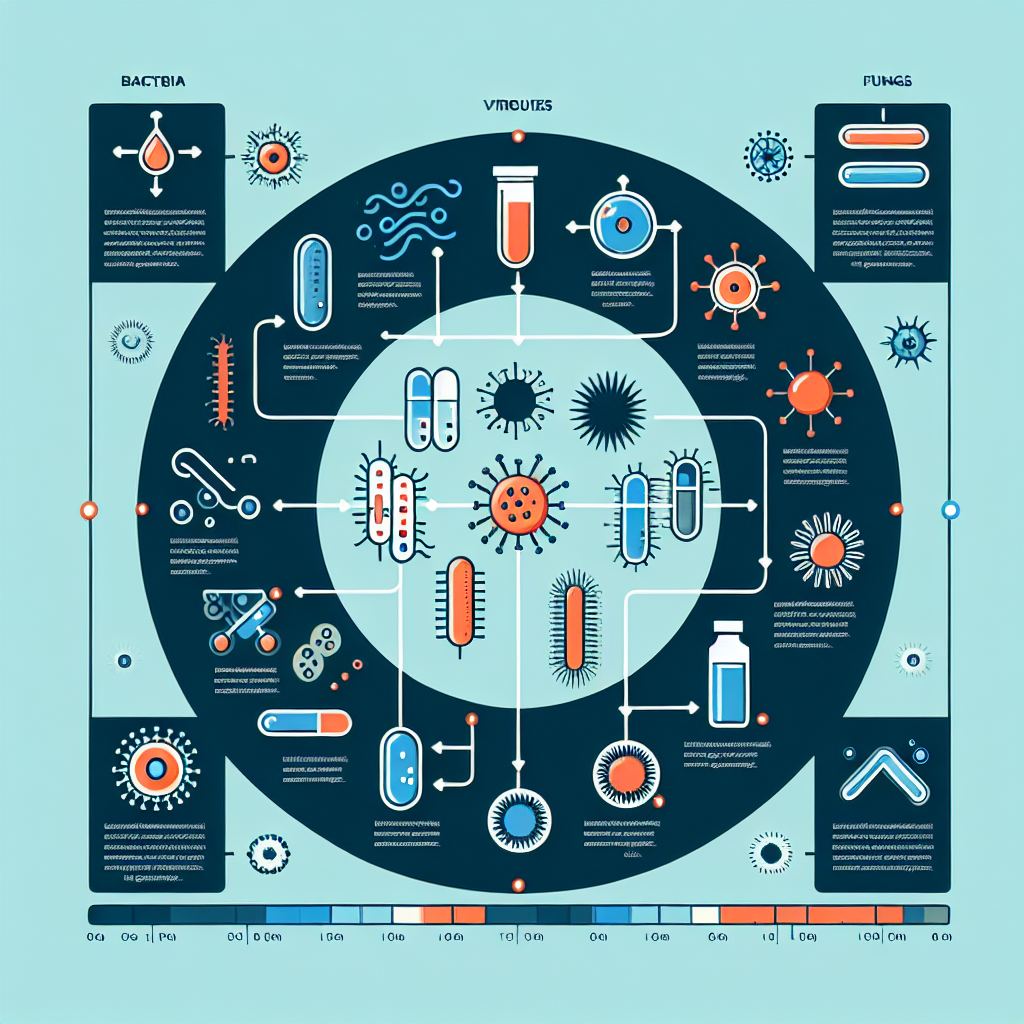
A detailed infographic showing types of microbial contamination in water systems including bacteria, viruses, fungi, and their impacts on health

In summary, understanding the various forms of microbial contamination helps municipalities and wastewater treatment operators develop effective strategies for safeguarding public health. By knowing what you’re up against whether it’s sneaky viruses or troublesome fungi you can implement better biological hazard management measures today!

Identifying Biological Hazards in Water Systems

Understanding and identifying biological hazards in water systems is like being a detective in a mystery novel. You need to gather clues, analyze evidence, and connect the dots to prevent biological contamination from turning into a full-blown crisis.

First off, let’s talk about common biological pollutants. These are the sneaky little culprits that can wreak havoc on public health. Here are some of the main offenders:

  • Bacteria: Think E. coli and Salmonella these guys can cause serious gastrointestinal issues.
  • Viruses: Enteric viruses like norovirus can spread like wildfire through contaminated water.
  • Fungi: Fungal pathogens may not be the first thing that comes to mind, but they can also contribute to health risks.
  • Protozoa: Giardia and Cryptosporidium are notorious for causing outbreaks linked to water supplies.

Did you know? According to the World Health Organization, over 2 billion people globally use a drinking water source contaminated with feces, leading to significant health risks!

Risk Assessment in Biology Labs and Water Systems

A robust risk assessment is essential for identifying potential hazards. This involves evaluating factors such as:

  • The source of water supply surface water vs groundwater
  • The presence of industrial discharges or agricultural runoff
  • The effectiveness of existing sanitation protocols

Microbial Testing Methods for Water Quality Monitoring

No detective work is complete without the right tools! Microbial testing methods are crucial for monitoring water quality and identifying biological hazards. Here are some popular techniques:

  • Culturing: Growing microorganisms from samples to identify specific pathogens.
  • Molecular methods: Techniques like PCR (Polymerase Chain Reaction) allow for rapid detection of microbial DNA.
  • Immunological assays: These tests use antibodies to detect specific pathogens quickly and accurately.

If you’re not already using these methods, it’s time to level up your game! Regular microbial testing can help catch problems before they escalate into larger issues, ensuring safe drinking water for everyone.

The bottom line? Identifying biological hazards in your water systems is crucial in preventing biological contamination. By staying vigilant and employing effective risk assessments along with rigorous testing methods, you can safeguard public health against these invisible threats!

Contamination Control Methods and Strategies

When it comes to tackling biological contamination, you need a game plan that’s more robust than a superhero’s cape. Think of it like assembling the Avengers, but instead of saving the world, you’re saving water systems from the clutches of microbial villains!

Sanitation Protocols and Hygiene Practices

First up, let’s talk about sanitation protocols. These are your first line of defense against the onslaught of pathogen contamination. Implementing strict hygiene practices in water treatment facilities is crucial. This means:

  • Regular cleaning schedules for all equipment and surfaces.
  • Use of appropriate disinfectants that target a wide range of biological pollutants.
  • Training staff on hygiene practices to minimize cross-contamination risks.

Sterilization Techniques and Decontamination Procedures

Next, we have sterilization techniques. Think of these as the ultimate power-up for your water treatment process! Here are some methods:

  • Heat Sterilization: Boiling or using autoclaves to eliminate infectious agents.
  • Chemical Sterilization: Utilizing strong disinfectants like chlorine or ozone to tackle those pesky microbes.
  • Filtration: Employing microfiltration or ultrafiltration membranes to physically remove contaminants.

Cross-Contamination Prevention Measures

No one wants uninvited guests crashing their party, especially when those guests are disease-causing organisms! Here’s how to keep your systems safe from cross-contamination:

  • Create dedicated zones for different operations within treatment facilities.
  • Implement strict access controls to prevent unauthorized personnel from entering sensitive areas.
  • Regularly monitor equipment and processes for signs of contamination and act swiftly if detected.

Key Takeaway: A multi-faceted approach combining sanitation, sterilization, and prevention measures is essential in managing biological hazards effectively. Remember, an ounce of prevention is worth a pound of cure!

A modern water treatment facility with advanced sanitation protocols in action, showcasing staff in protective gear performing sterilization techniques

Biosecurity Measures in Water Treatment Facilities

When it comes to biological contamination, water treatment facilities are on the front lines, battling an invisible enemy. The stakes are high, and so are the measures that need to be in place to keep our water safe and clean. Let’s dive into some essential biosecurity measures that can help mitigate the risks associated with pathogen contamination and other biological hazards.

Biosafety Guidelines for Handling Hazardous Biological Agents

First things first: establishing robust biosafety guidelines is non-negotiable. These guidelines serve as the playbook for dealing with hazardous biological agents, ensuring that everyone from operators to engineers knows how to handle these potential threats effectively. Here’s what to focus on:

  • Personal Protective Equipment (PPE): Always wear appropriate PPE, including gloves, masks, and protective clothing. Think of it as your superhero suit against microbial hazards!
  • Access Control: Limit access to sensitive areas within the facility. Only trained personnel should enter zones where biological agents are present.
  • Training and Drills: Regular training sessions and emergency drills can prepare staff for potential contamination events. After all, practice makes perfect!

Disease-Causing Organisms Management Strategies

Next up is managing those pesky disease-causing organisms. Implementing effective management strategies can significantly reduce the risk of outbreaks caused by biological pollutants:

  • Regular Monitoring: Conduct routine water quality monitoring for pathogens using advanced microbial testing methods. This proactive approach helps catch problems before they escalate.
  • Decontamination Procedures: Establish clear decontamination procedures for equipment and surfaces that come into contact with water sources. Think of it as a spa day for your machinery!
  • Bio-Waste Management: Proper disposal of bio-waste is critical. Ensure that all waste containing biological contaminants is treated according to established sanitation protocols.

Key Takeaway: Biosecurity measures in water treatment facilities are vital for controlling biological contamination and protecting public health. By following strict biosafety guidelines and implementing effective management strategies, we can significantly reduce the risk of infectious agents infiltrating our water systems.

Outbreak Containment Strategies for Biological Contaminants

When it comes to biological contamination, the stakes are high. Think of it as a game of Whac-A-Mole, where every time you deal with one issue, another pops up. But fear not! With the right outbreak containment strategies, we can keep these pesky biological pollutants at bay.

First things first: understanding the nature of the beast. Biological contaminants can range from pathogen contamination to fungal contamination. Each type requires a tailored approach to containment. Here’s how municipalities and wastewater treatment operators can step up their game:

1. Rapid Response Protocols

The moment a biological hazard is detected, swift action is crucial. Implementing rapid response protocols can help contain outbreaks before they escalate. This includes:

  • Immediate testing: Utilize advanced microbial testing methods to identify the specific biological contaminants present.
  • Isolation measures: Isolate affected areas in water systems to prevent further spread.
  • Public notifications: Keep the community informed about potential risks and safety measures.

2. Enhanced Monitoring Systems

No one likes surprises especially when it comes to health risks! Regular and thorough water quality monitoring for pathogens is essential. Consider integrating:

  • Automated sensors: These can provide real-time data on microbial hazards.
  • Regular audits: Conduct periodic reviews of sanitation protocols and hygiene practices.
  • Collaboration with health departments: Work closely with public health officials to stay ahead of potential outbreaks.

3. Training and Preparedness

Your team is your first line of defense against biological hazards! Ensuring that all staff are trained in infection control measures and emergency response procedures is vital. This includes:

  • Biosafety training: Familiarize staff with biosafety guidelines for handling hazardous biological agents.
  • Sensitivity training: Teach employees about zoonotic diseases transmission and how it relates to their work environment.
  • Crisis drills: Regularly conduct simulations of outbreak scenarios to ensure everyone knows their role in containment efforts.
Remember: An ounce of prevention is worth a pound of cure! Investing in robust outbreak containment strategies not only protects public health but also saves municipalities from costly clean-up operations later on.

A wastewater treatment facility with advanced monitoring systems in action, showing technicians conducting tests on water samples

4. Community Engagement

A well-informed community is less likely to panic during an outbreak. Engage with residents through public forums, social media updates, and educational campaigns about biological contaminants and how they can help prevent them at home. Topics could include:

  • The importance of proper waste disposal for reducing biohazard contamination.
  • Tips for maintaining hygiene practices at home to prevent cross-contamination.
  • The role of citizens in reporting unusual water quality issues or signs of contamination.

The key takeaway? Outbreak containment strategies for biological contaminants are not just about reacting; they’re about being proactive! By implementing these strategies today, we can safeguard our water systems against tomorrow’s threats.

The Role of Public Health in Managing Biological Threats

When it comes to biological contamination, public health plays a pivotal role that’s akin to the superhero in a blockbuster movie always ready to swoop in and save the day. Imagine a world where microbial hazards roam free, causing havoc in our water systems. Without strong public health measures, we might as well be inviting them over for tea!

Public health agencies are the gatekeepers against biological threats, ensuring that our water remains safe from pathogen contamination, including those pesky foodborne pathogens that can turn a lovely dinner into an emergency room visit. They employ various strategies to monitor and manage these threats effectively.

Surveillance and Monitoring

First up on the public health agenda is surveillance. Think of it as having a watchful eye on potential biological pollutants lurking in our water systems. This involves:

  • Water quality monitoring for pathogens: Regular testing helps identify any signs of bacterial contamination, viral contamination, or even fungal contamination before they escalate into larger problems.
  • Risk assessment in biology labs: By evaluating potential risks associated with various biological hazards, public health officials can prioritize which contaminants need immediate attention.
  • Environmental contaminants tracking: Keeping tabs on non-biological pollutants is equally important, as they can compound the effects of biological threats.

Education and Community Engagement

A key part of managing biological threats is educating communities about sanitation protocols and hygiene practices. It’s like teaching your friends how to properly wash their hands after using the restroom simple but effective! Public health campaigns often focus on:

  • Promoting hygiene practices: Simple acts like washing hands can significantly reduce the risk of cross-contamination.
  • Community workshops: These sessions inform residents about how to recognize signs of contamination and what steps to take if they suspect their water supply is compromised.
  • Bio-waste management education: Teaching people how to properly dispose of waste helps prevent biohazard contamination from entering water systems.

Crisis Management and Outbreak Containment

No one wants to think about outbreaks, but when they occur, public health agencies are on the front lines with outbreak containment strategies. They implement robust plans that include:

  • Decontamination procedures: Quick action can prevent further spread when a biological threat is detected.
  • Biosafety guidelines enforcement: Ensuring that facilities handling hazardous biological agents adhere strictly to safety standards minimizes risks associated with infectious agents.
  • Crisis communication plans: Keeping the public informed during an outbreak is crucial for maintaining trust and ensuring compliance with safety measures.

The bottom line? Public health is essential in managing biological threats. Their proactive measures not only protect our water systems but also safeguard community health against potential outbreaks caused by biological contaminants.

If you’re involved in wastewater treatment or municipal management, consider how you can collaborate with local public health agencies. Together, we can transform our approach to preventing biological contamination!

Conclusion

As we wrap up our deep dive into biological contamination in water systems, it’s clear that the stakes are high. From microbial contamination to the lurking dangers of pathogen contamination, the threats posed by biological pollutants are not to be taken lightly. But fear not! With the right strategies and protocols in place, we can effectively manage and even prevent these pesky invaders.

First off, understanding the types of biological hazards be it bacterial, viral, or fungal contamination is crucial. Each type brings its own set of challenges and requires tailored approaches for control. Implementing robust contamination control methods, such as rigorous sanitation protocols and effective sterilization techniques, can drastically reduce risks.

Tangible Takeaway: Regularly update your sanitation protocols and invest in advanced microbial testing methods to ensure water quality remains top-notch. Remember, an ounce of prevention is worth a pound of cure!

Moreover, biosecurity measures in water treatment facilities are not just best practices; they are essential to safeguard public health against biological threats. By adhering to established biosafety guidelines, we can minimize the risk of cross-contamination and protect our communities from potential outbreaks.

The role of public health agencies cannot be overstated they’re our frontline defenders against the rising tide of biological hazards. Collaboration between municipalities, engineers, and health officials is vital for developing effective outbreak containment strategies that address both current challenges and future threats.

In conclusion, while biological contamination may seem like a daunting foe, with proactive measures and continuous vigilance, we can tackle it head-on. Stay informed about emerging trends in water safety regulations and don’t hesitate to adapt your strategies as new information comes to light. After all, when it comes to safeguarding our water systems from disease-causing organisms, knowledge is power!


source https://www.waterandwastewater.com/preventing-biological-contamination-water-systems/

Sand Filtration Systems: The Ultimate Guide for Treatment Plants

Sand Filtration Systems: The Ultimate Guide for Treatment Plants

Introduction

Welcome to the deep dive into the world of sand filtration systems! If you’ve ever sipped clean water from your home faucet or taken a refreshing swim in a pool, you might have unknowingly benefited from these unsung heroes of water purification. Sand filters are like the bouncers of the water treatment process, ensuring only the finest, purest H2O makes it through.

But what exactly is this magical sand? It’s not just any old beach sand; we’re talking about a carefully designed filtration system that can tackle everything from muddy river water to municipal wastewater. With options like slow sand filtration and rapid sand filtration, these systems are as versatile as they are effective.

In this ultimate guide, we’ll explore the ins and outs of sand filter design, maintenance tips that can extend their lifespan (which averages between 5-10 years!), and how they fit into larger systems like wastewater treatment plants and even aquifer recharge systems. Whether you’re an engineer looking to optimize your designs or a municipality seeking eco-friendly solutions, we’ve got you covered!

So grab your goggles and let’s plunge into the sandy depths of filtration technology. By the end of this guide, you’ll be equipped with all the knowledge you need to make informed decisions about your water treatment processes. Ready? Let’s get filtering!

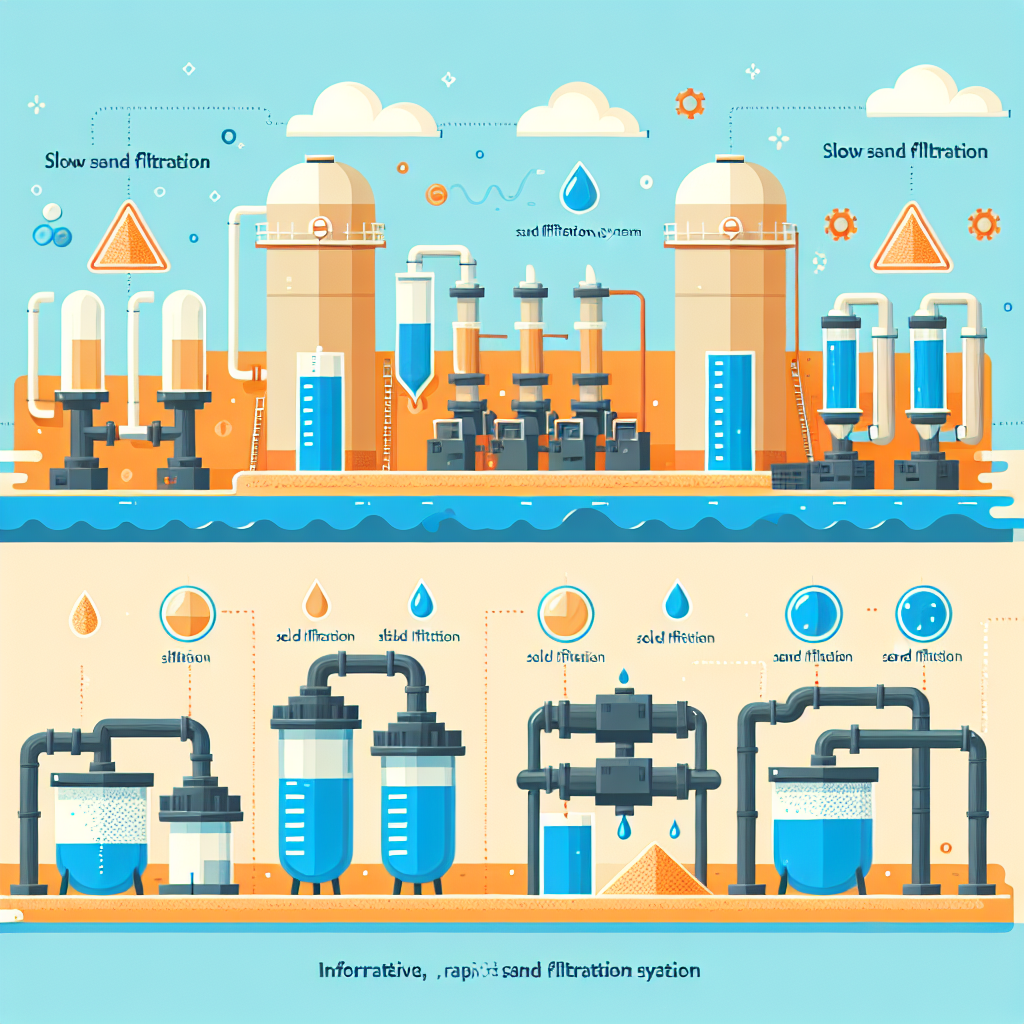
An infographic illustrating different types of sand filtration systems used in water treatment plants, showcasing slow sand filtration and rapid sand filtration methods

Understanding Sand Filtration

So, what exactly is sand filtration? Imagine a superhero of the water treatment world, swooping in to save the day by removing impurities from water. In essence, sand filtration is a natural filtration method that uses layers of sand and gravel to trap particles and contaminants, ensuring we get clean water for drinking, swimming, and even industrial use.

Did you know? Sand filtration systems have been used for centuries! Their reliability and effectiveness in the water purification process make them a go-to choice for municipalities and wastewater treatment plants.

The Importance of Sand Filtration in Water Purification

When it comes to water purification, sand filters are like the trusty sidekick that never lets you down. They play a crucial role in the overall water treatment process, offering several benefits:

  • Turbidity Reduction: By effectively removing suspended solids, sand filters help improve the clarity of water.
  • Sediment Removal: These systems excel at trapping larger particles that can clog pipes or cause damage downstream.
  • Cost-Effectiveness: Compared to other filtration methods like activated carbon filters or multimedia filtration systems, sand filters are often more economical to operate and maintain.
  • Sustainability: Sand filtration aligns with eco-friendly water purification methods, making it an attractive option for sustainable water management practices.

A Closer Look at Sand Filter Design

The design of a sand filter can make or break its performance. Key considerations include:

  • Layer Configuration: The arrangement of gravel and sand layers is pivotal for optimal flow rates and effluent quality.
  • Filter Bed Depth: A deeper bed allows for greater sediment removal but requires careful management to avoid clogging.
  • Sizing: Proper sizing ensures that your filtration system can handle peak flow rates without compromising performance.

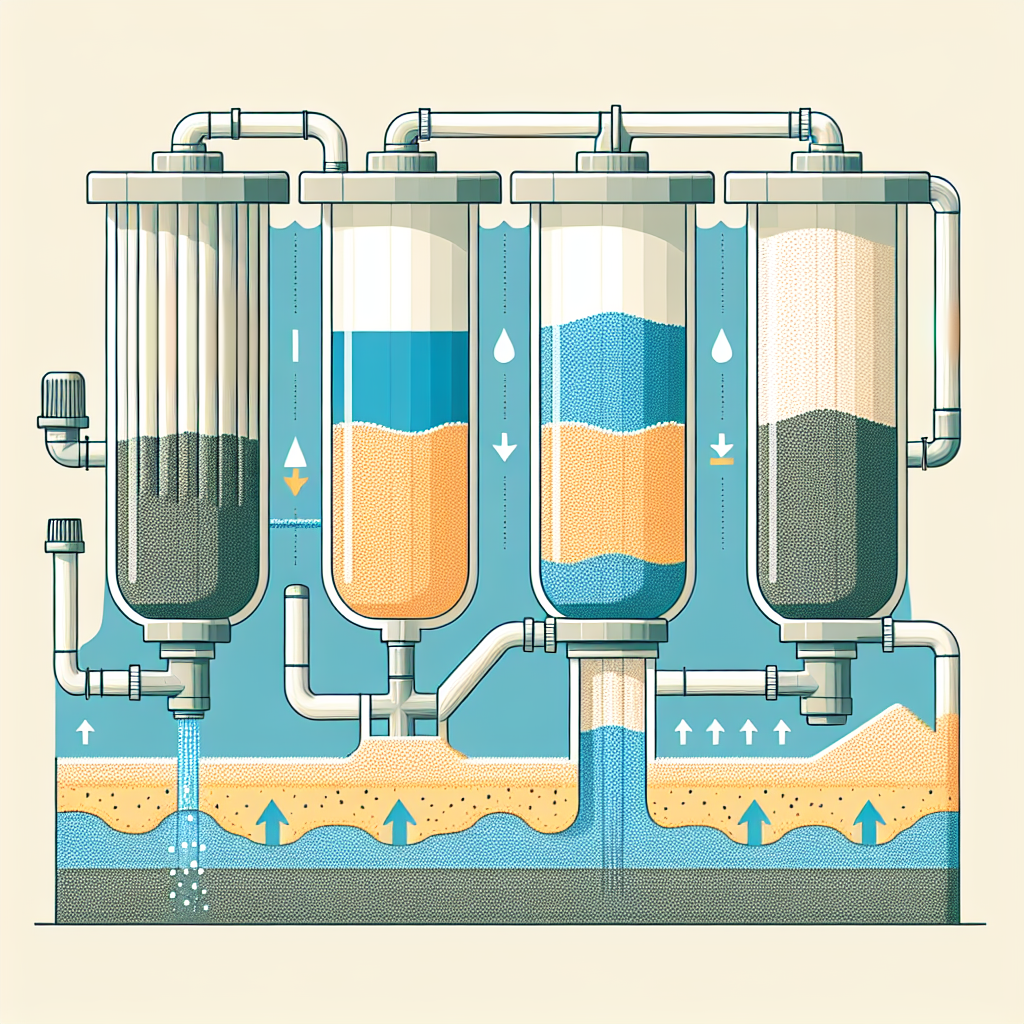
A detailed illustration of a sand filtration system showing layers of gravel and sand with arrows indicating water flow

The beauty of sand filtration lies not just in its simplicity but also in its adaptability. Whether you’re dealing with municipal water treatment systems or designing industrial water filters, understanding the fundamentals of sand filter design will empower you to create effective solutions tailored to your needs.

The efficiency of sand filters is further enhanced when combined with biological filtration methods, making them suitable for both drinking water filtration and wastewater treatment applications.

In summary, understanding how sand filtration works is essential for anyone involved in planning or operating treatment plants. As we dive deeper into this guide, remember: clean water solutions start with solid foundations quite literally!

Types of Sand Filtration Systems

When it comes to sand filtration, not all systems are created equal. Each type has its own unique flair and functionality, making them suitable for different applications in the water treatment process. Let’s dive into the various types of sand filtration systems, shall we?

Slow Sand Filtration

Think of slow sand filtration as the tortoise in the race it may take its time, but it gets the job done with grace. This system works by allowing water to flow through a bed of sand at a slow pace, promoting natural biological processes that help in removing impurities from water. It’s particularly effective for treating drinking water and is often used in rural areas.

Rapid Sand Filtration

If slow sand filtration is the tortoise, then rapid sand filtration is definitely the hare! This method involves forcing water through a sand bed at high velocity. Thanks to its speed, it’s ideal for large-scale municipal water treatment systems where efficiency is key. However, it requires more frequent maintenance due to the buildup of sediment.

Pressure Sand Filters

Pressure sand filters take things up a notch by using pressure to push water through the sand bed. These systems are compact and can handle higher flow rates, making them perfect for industrial applications. Just remember: with great pressure comes great responsibility (and maintenance)!

Multimedia Filtration Systems

For those who can’t decide on just one type of media, multimedia filtration systems are here to save the day! Combining layers of different materials like anthracite coal and silica sand, these filters can tackle a variety of contaminants simultaneously. They’re often used in both municipal and industrial settings for enhanced filtration efficiency.

Bio-Sand Filters

A twist on traditional methods, bio-sand filters incorporate biological processes into their design. They use a layer of active biomass along with sand to improve treatment efficiency and are particularly effective in developing regions for household water purification. Think eco-friendly meets engineering magic!

Key Takeaway: Choosing the right type of sand filtration system depends on your specific needs whether it’s drinking water purification or industrial wastewater treatment.

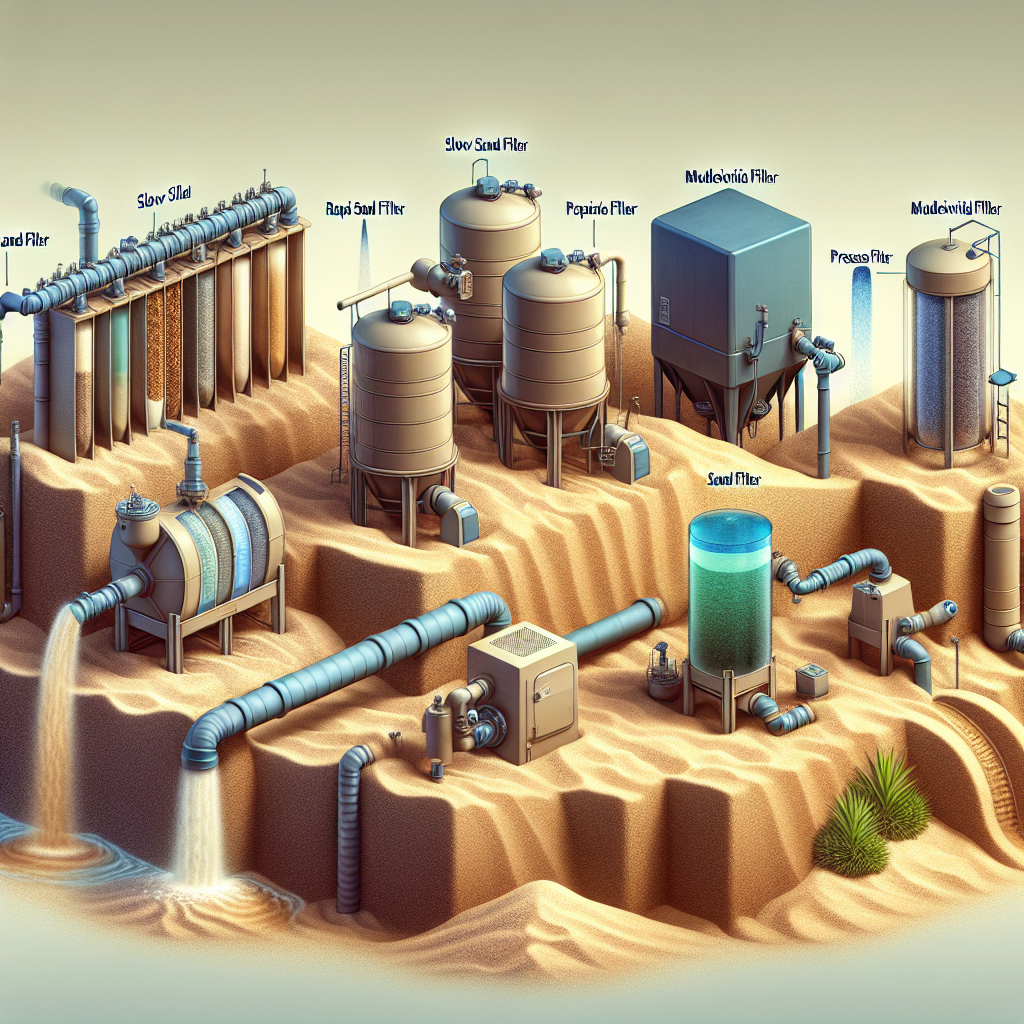
A collage illustrating different types of sand filtration systems including slow sand filter, rapid sand filter, pressure sand filter, multimedia filter and bio-sand filter

Sand Filter Design Considerations

Designing a sand filtration system is like planning a party: you need to consider the guest list, the layout, and how to keep things running smoothly. In this case, your “guests” are the water and the pesky impurities you want to kick out!

Filtration System Layout and Sizing

The first step in your sand filter design is determining the layout and sizing of your filtration system. Think about how much water you need to treat and at what rate. This will help you decide on the size of your filter beds and the number of units required. A well-planned layout not only optimizes space but also enhances efficiency.

Gravel and Sand Layers Configuration

Next up is configuring those all-important gravel and sand layers. The typical setup involves a base layer of gravel topped with finer layers of sand. This arrangement allows for effective mechanical filtration, where larger particles are trapped in the gravel while smaller ones get caught in the sand. The right mix can significantly influence your system’s overall performance.

Engineered Filter Beds for Treatment Plants

Engineered filter beds can be a game-changer in achieving high-efficiency levels in treatment plants. By customizing the depth and composition of these beds, you can target specific contaminants while optimizing flow rates. It’s like having a tailored suit versus off-the-rack; one just fits better!

Planning Considerations for Irrigation Systems and Stormwater Management Projects

If you’re considering using sand filters for irrigation systems or stormwater management projects, think about the local soil conditions, expected water quality, and environmental regulations. Each project will have unique challenges, so adapt your design accordingly like adjusting a recipe based on available ingredients!

Key Takeaway: A well-designed sand filtration system requires careful consideration of layout, layer configuration, engineered solutions, and local conditions to ensure optimal performance.

An engineer designing a sand filtration system with diagrams showing gravel and sand layers

The Water Treatment Process Involving Sand Filters

When it comes to sand filtration, we’re not just talking about slapping some sand in a tank and calling it a day. No, no! The water treatment process is a carefully choreographed dance that involves multiple stages to ensure that our precious H2O comes out sparkling clean. Let’s break it down, shall we?

Stages of Water Treatment Using Sand Filters

  1. Pre-Treatment: Before the water even sees the sand, it’s often pre-treated to remove larger debris. Think of this as giving your water a spa day before the main event!
  2. Filtration: This is where the magic happens! Water flows through layers of sand (and sometimes gravel) where impurities are trapped. Depending on the design, this could be a slow or rapid sand filtration system, each with its unique benefits.
  3. Post-Filtration: After passing through the filter bed, the water is assessed for quality. This includes checking for turbidity and ensuring that sediment has been effectively removed.

Turbidity Reduction Techniques with Sand Filtration

Turbidity refers to how clear your water is think of it like trying to see through a mud puddle versus a pristine lake. Sand filters excel at reducing turbidity by physically trapping particles as small as 20 microns! This is crucial for achieving high-quality effluent that meets drinking water standards.

Sediment Removal Techniques in Wastewater Treatment Plants

In wastewater treatment plants, sediment removal techniques are vital for preventing clogs and maintaining efficiency. Sand filters come equipped with layers designed specifically for this task. The heavier particles settle at the bottom while lighter ones are captured in the upper layers of sand it’s like nature’s very own sorting hat!

Key Takeaway: Regular monitoring and maintenance of your sand filtration system are essential to ensure optimal performance and effluent quality. Neglecting this can lead to reduced efficiency and increased operational costs.

In conclusion, understanding these stages helps municipalities and engineers optimize their systems for better performance and sustainability. So next time you turn on your tap, remember the intricate journey that your water has taken through these amazing sand filtration systems!

Sand Filter Maintenance and Operational Efficiency

When it comes to sand filtration, maintenance is not just a chore it’s the secret sauce to operational efficiency. Think of your sand filter like a classic car; without regular tune-ups, it won’t run smoothly. So, let’s dive into the nitty-gritty of keeping those sand filters in tip-top shape!

Routine Maintenance Practices for Sand Filters

The heart of effective sand filter maintenance lies in routine practices that ensure optimal performance. Here are some essential tips:

  • Regular Inspection: Check for any visible signs of wear and tear. Look out for cracks or unusual sediment build-up.
  • Monitoring Flow Rates: Keep an eye on inflow and outflow rates to catch any discrepancies early.
  • Cleaning Schedule: Establish a cleaning schedule based on your system’s usage and local water quality conditions.
  • Media Replacement: Depending on the type of sand used, you may need to replace or replenish the media every few years.

The Backwashing Process Explained

If you’ve ever wondered how to keep your sand filter clean without breaking a sweat, meet the magic of backwashing! This process is akin to giving your filter a refreshing shower here’s how it works:

  1. Reverse Flow: Water is pumped backwards through the filter bed, dislodging trapped impurities.
  2. Flushing Out Debris: The dislodged contaminants are flushed out through the drain, leaving behind clean sand ready for action.
  3. Frequency Matters: The frequency of backwashing depends on several factors including water quality and flow rates typically every few days to weeks.

Quick Tip: Always follow manufacturer guidelines for backwashing times and methods. Overdoing it can lead to media loss!

A common misconception is that once installed, sand filters require little to no attention. In reality, diligent maintenance not only extends the life of your filtration system but also enhances effluent quality. Regularly maintained systems can achieve better turbidity reduction and higher overall efficiency in removing impurities from water.

The Benefits of Proactive Maintenance

You might be wondering why all this fuss over maintenance? Well, proactive upkeep leads to:

  • Improved Effluent Quality: Cleaner output means safer drinking water and better compliance with regulations.
  • Cost Savings: Preventative measures help avoid costly repairs or replacements down the line.
  • Increased System Longevity: A well-maintained filter can last significantly longer than one left unattended.

If you’re involved in municipal or industrial water treatment systems, remember that effective sand filtration is not just about installation; it’s about creating a culture of maintenance that prioritizes operational efficiency. So roll up those sleeves and give your filters some love!

Differentiating Between Various Filtration Methods

  • Sandy vs. activated carbon filters comparison
  • < li>Sustainable water management practices with sand filtration vs. other methods li >
    ul >
    section >

    < section >
    < h 2 > Effluent Quality and Performance Metrics< / h 2 >
    < ul >
    < li > Assessing effluent quality from sand filtration systems< / li >
    < li > Factors influencing performance metrics< / li >
    < / ul >
    < / section >

    < section >
    < h 2 > Applications of Sand Filtration Systems< / h 2 >
    < ul >
    < li > Municipal water treatment systems< / li >
    < li > Industrial water filters< / li >
    < li > Home water filters< / li >
    < li > Aquifer recharge systems< / li >
    < / ul >
    < / section >

    < section >
    < h 2 > Conclusion< / h 2 >
    section >


source https://www.waterandwastewater.com/sand-filtration-guide-treatment-plants/

Sustainable PFAS Solutions

Sustainable PFAS Solutions: Navigating Regulations and Implementing Effective Technologies

Introduction

Per- and polyfluoroalkyl substances (PFAS), often referred to as "forever chemicals," have drawn increasing scrutiny due to their persistence in the environment and potential adverse health effects. With regulatory frameworks tightening globally and public awareness rising, stakeholders ranging from municipal directors to design engineers face pressing challenges and obligations. This article provides an in-depth analysis of sustainable PFAS solutions, equipping decision-makers with the knowledge to address contamination concerns effectively.

1. Understanding PFAS and Their Implications

1.1 What Are PFAS?

PFAS are a group of human-made chemicals that have been used in various industrial applications and consumer products since the 1940s. With over 4,700 known variants, PFAS are characterized by carbon-fluorine bonds that confer waterproof, stain-resistant, and non-stick properties. They are commonly found in firefighting foam, packaging, and water-repellent fabrics.

1.2 Health and Environmental Concerns

Recent studies have linked PFAS to a variety of health issues, including liver damage, immune system effects, and certain cancers. According to industry analysis from 2024, nearly 15 million Americans may have drinking water contaminated with PFAS above health advisory levels set by the U.S. Environmental Protection Agency (EPA) in its October 2022 guidelines. This alarming reality has spurred communities and policymakers to seek effective, sustainable solutions.

2. Regulatory Landscape

2.1 Current Regulations

As of 2025, multiple states have enacted comprehensive regulations governing the allowable levels of PFAS in drinking water, with some requiring testing and remediation efforts. The EPA has classified PFAS as hazardous substances under the Comprehensive Environmental Response, Compensation, and Liability Act (CERCLA), which may lead to increased liability for municipal and industrial stakeholders.

2.2 Future Trends

Anticipated regulations are expected to expand globally, compelling industries to adopt proactive measures. The European Chemicals Agency (ECHA) is moving toward enhanced restrictions, and similar legislative efforts are being mirrored in Canada and Australia.

3. Sustainable Strategies for PFAS Management

3.1 Source Reduction

Organizations must prioritize reducing the introduction of PFAS-containing products. Efforts can include:

  • Product Substitution: Transitioning to alternative materials without PFAS for manufacturing, such as plant-based or biodegradable foams and textiles.

  • Supply Chain Engagement: Collaborating with manufacturers to eliminate PFAS from products before they reach consumers.

3.2 Advanced Water Treatment Technologies

A variety of promising technologies have emerged to treat PFAS-contaminated water:

3.2.1 Granular Activated Carbon (GAC)

GAC is one of the most common treatment methods, effectively adsorbing PFAS. Although it does not destroy the chemicals, its regeneration can enhance sustainability. Industry data indicates that GAC can achieve a reduction of PFAS concentrations by over 90% under optimal conditions.

3.2.2 Ion Exchange Resins

Ion exchange resins specifically designed for PFAS removal are gaining traction due to their improved efficiency and capacity to regenerate. The technology can reportedly reduce PFAS concentrations below detection limits in some cases.

3.2.3 Membrane Technologies

Membrane processes such as reverse osmosis (RO) and nanofiltration are capable of rejecting a significant proportion of PFAS. A recent study indicated that certain RO membranes can achieve over 95% removal rates for short-chain PFAS.

3.3 Bioremediation Approaches

Emerging research shows that specific microbial communities can degrade PFAS. Bioremediation offers a sustainable pathway that utilizes natural processes to mitigate contamination. While still in the research phase, the potential of engineered microbial solutions could revolutionize PFAS management.

3.4 Innovative Disposal Methods

Traditional disposal methods, including landfill and incineration, are not sustainable for PFAS contamination. Alternatives like thermal destruction at high temperatures (above 1,100°C) have shown effectiveness in breaking down PFAS compounds. Evolving technologies are also exploring photolytic methods, which may offer lower energy costs and reduced emissions.

4. Case Studies of Successful PFAS Mitigation

4.1 City of Newburgh, NY

Following the identification of PFAS in the city’s drinking water supply, Newburgh implemented a GAC filtration system that effectively reduced PFAS levels by over 99%. The project highlighted the importance of community engagement and transparency throughout the process.

4.2 Site Remediation at the Peterson Air Force Base, CO

Through the application of advanced ion exchange resins, Peterson AFB has successfully treated contaminated groundwater, achieving PFAS concentrations below regulatory limits. This case serves as a model for military and industrial sites grappling with PFAS remediation.

5. The Role of Stakeholders in Sustainable PFAS Solutions

5.1 Regulatory Bodies

Policymakers must actively collaborate with scientific communities to establish realistic, data-driven guidelines. Continuous monitoring programs and community education initiatives are essential for fostering trust and ensuring compliance.

5.2 Engineers and Technical Experts

Engineers play a crucial role in the design and implementation of sustainable PFAS solutions. Leveraging advancements in technology can create more effective treatment systems while adhering to ecological principles.

5.3 Public Awareness and Education

Stakeholder engagement is vital. Public education campaigns can inform communities about the risks of PFAS exposure and highlight proactive measures.

Conclusion

The quest for sustainable PFAS solutions is at the forefront of environmental engineering and public health. Through a combination of regulations, innovative technologies, and community engagement, stakeholders have the opportunity to mitigate the impacts of these persistent pollutants effectively. Moving forward, it is crucial to foster collaboration among regulatory bodies, engineers, and the public to implement strategies that lead to a healthier, more sustainable future. Addressing the PFAS challenge not only benefits individual communities but also contributes to global environmental resilience.

As this landscape evolves, proactive adaptation will be the key to ensuring public safety and environmental integrity.


source https://www.waterandwastewater.com/sustainable-pfas-solutions/

Monday, November 10, 2025

Source Tracking PFAS

Source Tracking PFAS: A Comprehensive Analysis for Environmental Professionals

Introduction

Per- and polyfluoroalkyl substances (PFAS) have emerged as a critical environmental concern due to their pervasive nature and potential health impacts. These synthetic chemicals have infiltrated water supplies, soil, and air, resulting in serious implications for public health and environmental sustainability. As the regulatory landscape evolves, the ability to effectively track the sources of PFAS contamination has never been more vital for municipal directors, environmental engineers, and plant operators. This article offers an in-depth exploration of source tracking PFAS, providing valuable insights into current technologies, regulatory frameworks, and best practices for mitigating these hazardous substances.

Understanding PFAS and Their Risks

What Are PFAS?

PFAS include a large group of man-made chemicals, including PFOA and PFOS, that have been used in numerous industrial applications, including firefighting foams, water-repellent fabrics, and food packaging. According to industry analysis from 2024, PFAS contamination is present in the groundwater of nearly 4,000 sites across the United States, prompting heightened regulatory scrutiny.

Health and Environmental Concerns

PFAS are known to persist in the environment due to their carbon-fluorine bonds, leading to their nickname "forever chemicals." Exposure has been linked to a range of serious health issues, including:

  • Cancer: The American Cancer Society indicates that studies have shown a potential connection between PFAS and kidney and testicular cancers.

  • Endocrine Disruption: The CDC has identified PFAS as potential endocrine disruptors, impacting hormonal balance.

  • Immune System Effects: Research published in Environmental Health Perspectives indicates that PFAS exposure may impair immune response, particularly in children.

Regulatory Landscape

As of July 2025, the Environmental Protection Agency (EPA) has issued several guidelines aimed at limiting PFAS emissions and improving monitoring practices. The recent PFAS Strategic Roadmap outlines plans for proposing new regulations and enforcing existing standards. Highlighting the urgency of source tracking, the roadmap indicates that organizations must develop efficient methodologies for identifying contamination sources to inform cleanup efforts.

Keyword Analysis

  • Core Subject: The primary focus is on methodologies and technologies for tracking sources of PFAS contamination in various environments.
  • User Intent: Informational—users are seeking solutions, technologies, and regulatory guidance for effective source tracking of PFAS.
  • Audience: Environmental professionals including municipal directors, design engineers, environmental consultants, and water treatment plant operators.

Outline

1. The Importance of Source Tracking for PFAS

  • 1.1 The Growing Challenge of PFAS Contamination
  • 1.2 Regulatory Pressures and Community Expectations

2. Methods of PFAS Source Tracking

  • 2.1 Traditional Sampling Techniques
  • 2.2 Innovative Technologies for Detection
  • 2.3 Data Analytics and Modeling Approaches

3. Regulatory Frameworks Influencing PFAS Source Tracking

  • 3.1 Recent EPA Guidelines
  • 3.2 State-Level Regulations and their Impact
  • 3.3 The Role of Public Engagement

4. Best Practices in Implementing Source Tracking

  • 4.1 Integrated Monitoring Systems
  • 4.2 Community Collaboration Strategies
  • 4.3 Case Studies: Success Stories and Lessons Learned

5. Future Trends in PFAS Tracking Technologies

  • 5.1 Advancements in Detection Technologies
  • 5.2 Emerging Research on PFAS Bioremediation
  • 5.3 The Role of Artificial Intelligence in Data Analysis

6. Conclusion

  • 6.1 Key Insights and Next Steps for Environmental Professionals

The Importance of Source Tracking for PFAS

The Growing Challenge of PFAS Contamination

PFAS contamination poses significant risks not only to human health but also to environmental ecosystems. It is paramount that municipalities and organizations understand the sources of PFAS to take actionable steps in remediation. Research indicates that responding to PFAS contamination requires a robust strategy for identifying and addressing sources effectively.

Regulatory Pressures and Community Expectations

As public awareness increases, community-led initiatives are pressing municipal leaders to adopt stricter regulations and transparency measures. This trend emphasizes the importance of employing methods for source identification so that regulatory compliance and public health can be assured.

Methods of PFAS Source Tracking

Traditional Sampling Techniques

Historically, water and soil samples have been the primary means of tracking PFAS sources. Utilizing well-established laboratory techniques such as liquid chromatography-tandem mass spectrometry (LC-MS/MS), professionals can detect and quantify PFAS concentrations. However, traditional sampling can be time-consuming and costly.

Innovative Technologies for Detection

Recent advancements have introduced new methodologies, including:

  • Passive Sampling Devices: These can be deployed for longer periods in different environmental matrices, providing a more comprehensive understanding of PFAS concentrations over time.

  • Field-Based Detection Systems: Portable technology allow for immediate analysis, reducing the lag time between sample collection and results.

Data Analytics and Modeling Approaches

Comprehensive identification often requires sophisticated data analysis, employing Geographic Information Systems (GIS) and predictive modeling to assess the fate and transport of PFAS in the environment. By using machine learning algorithms, models can better predict the pathways and mitigate environmental risk.

Regulatory Frameworks Influencing PFAS Source Tracking

Recent EPA Guidelines

In response to growing concerns about PFAS, the EPA issued new guidelines in 2024 aimed at reducing allowable limits and bolstering source tracking. The guidelines emphasize the need for comprehensive monitoring plans that include both identification and source mitigation.

State-Level Regulations and their Impact

Several states have enacted their own regulations that can often exceed federal guidelines. For example, California has set limits significantly lower than the EPA’s proposed Maximum Contaminant Levels (MCLs). Organizations operating in multiple jurisdictions must navigate this complex regulatory landscape effectively.

The Role of Public Engagement

Public engagement has become a critical component of regulatory compliance. State and local bodies are increasingly mandated to involve communities in identifying sources, leading to greater accountability and Trust.

Best Practices in Implementing Source Tracking

Integrated Monitoring Systems

Implementing an integrated monitoring system that combines traditional sampling with technological innovations fosters a comprehensive approach to PFAS tracking. These systems can be managed centrally, allowing for real-time monitoring and quick response capabilities.

Community Collaboration Strategies

Engaging community members creates a more informed and proactive environment. Establishing clear lines of communication fosters collaboration between residents, municipal leaders, and environmental experts, creating a transparent process for source tracking.

Case Studies: Success Stories and Lessons Learned

One prominent case study highlights the successful implementation of a multi-faceted source tracking program in Ann Arbor, Michigan. The city utilized a combination of GIS modeling and community input to identify potential contamination sources, leading to formal action and the establishment of a remediation plan.

Future Trends in PFAS Tracking Technologies

Advancements in Detection Technologies

The future of PFAS source tracking lies in technological innovation. Research is ongoing to develop sensors capable of detecting PFAS at lower concentrations and in various environmental matrices. Researchers have already produced laboratory-scale devices that can detect parts per trillion (ppt) levels.

Emerging Research on PFAS Bioremediation

Current research into bioremediation holds promise for treating PFAS-contaminated sites. By investigating naturally occurring microorganisms and their ability to degrade PFAS, effective remediation strategies can pave the way for sustainable management.

The Role of Artificial Intelligence in Data Analysis

Artificial intelligence is transforming the way environmental data is analyzed. Predictive algorithms can enhance understanding of PFAS behavior in the environment, enabling more effective source tracking and remediation strategies.

Conclusion

Effective source tracking of PFAS is not just a regulatory requirement; it is a vital public health initiative that calls for collaboration, innovation, and strategic planning. As environmental engineers, municipal directors, and plant operators navigate this evolving landscape, understanding the risks, methodologies, and regulatory frameworks can significantly enhance remediation efforts. By integrating cutting-edge technologies and fostering community engagement, we can tackle the challenges posed by PFAS head-on and pave the way toward a cleaner, safer environment.


By thoroughly understanding the complexities of PFAS source tracking and addressing the pressing concerns of contamination, environmental professionals can position themselves as leaders in the field, driving meaningful change for public health and environmental integrity.


source https://www.waterandwastewater.com/source-tracking-pfas/

Sunday, November 9, 2025

Point-of-Use PFAS Filters

Point-of-Use PFAS Filters: Navigating the Future of Safe Water

Introduction

In recent years, the pervasive presence of per- and polyfluoroalkyl substances (PFAS) in drinking water has ignited widespread concern among communities, regulators, and engineers alike. With the United States Environmental Protection Agency (EPA) tightening regulations around PFAS levels in drinking water, individuals and municipalities are actively seeking practical solutions. Point-of-use (POU) PFAS filters have emerged as a viable option for immediate remediation, offering consumers a means to safeguard their drinking water. This article delves into the science, technology, and regulatory landscape surrounding POU PFAS filters, providing a comprehensive understanding of their effectiveness, application, and implications for public health.

Understanding PFAS: The Persistent Pollutants

What Are PFAS?

PFAS are a group of over 4,700 synthetic chemicals known for their water- and grease-repellent properties. Commonly referred to as “forever chemicals,” PFAS remain persistent in the environment and the human body, contributing to various health risks, including cancer, liver damage, and reproductive harm. According to the Agency for Toxic Substances and Disease Registry (ATSDR), heightened levels of PFAS exposure are linked to developmental issues in children, immune system dysfunction, and thyroid disorders.

The Regulatory Landscape (As of 2025)

As of July 2025, the EPA has set a Maximum Contaminant Level (MCL) for PFAS in drinking water at 4 parts per trillion (ppt). Moreover, under the Safe Drinking Water Act (SDWA), regulations are being implemented for specific PFAS compounds, including PFOA and PFOS. State and local governments are also enacting stricter guidelines, making it imperative for consumers and municipalities to act swiftly in addressing water quality concerns.

User Intent and Audience Analysis

The primary user intent behind the search for "Point-of-Use PFAS Filters" is largely informational with elements of problem/solution inquiry. The target audience is multifaceted and includes:

  • Homeowners and Renters: Concerned about PFAS exposure and seeking affordable POU solutions.
  • Municipal Water Authority Directors: Interest in efficient treatment options for widespread contamination.
  • Environmental Engineers: Looking for technically sound solutions for PFAS removal.
  • Regulatory Agencies: Monitoring developments in filtration technology and public health.

A Comprehensive Look at Point-of-Use PFAS Filters

What Are Point-of-Use PFAS Filters?

Point-of-use filters, typically installed at designated taps in homes or facilities, are designed to remove specific contaminants from water, offering targeted solutions to PFAS pollution. Common types of POU PFAS filtration technologies include:

  • Granular Activated Carbon (GAC) Filters: These filters use activated carbon granules to adsorb PFAS and other organic compounds from water.

  • Reverse Osmosis (RO) Systems: Effective at isolating and removing PFAS through a semi-permeable membrane that permits only water molecules to pass through, leaving behind contaminants.

  • Ion Exchange Resins: Specifically engineered to replace PFAS ions with other ions, effectively removing them from the water supply.

Performance and Limitations

Effectiveness

Recent industry analysis from 2024 indicates that reverse osmosis systems can achieve up to 95-99% reduction of PFAS levels. Meanwhile, GAC filters show varied effectiveness depending on the PFAS compounds present and the flow rates through the filter. For instance, PFOA and PFOS have been found to be particularly amenable to GAC filtration under ideal conditions.

Cost Considerations

The costs associated with POU PFAS filtration systems vary widely, with reverse osmosis systems typically ranging from $200 to $1,000, while GAC filters may be available for as low as $50. Long-term operational costs, including filter replacements and maintenance, should also be taken into account as they can significantly impact overall expenditures.

Maintenance and Lifespan

Filters require regular maintenance to ensure continued effectiveness. GAC filters should typically be replaced every 6 months to 1 year, depending on usage and contamination levels, while reverse osmosis membranes may last 2-5 years.

Selecting the Right POU PFAS Filter

Key Considerations

When selecting a POU PFAS filter, several factors should be taken into account:

  1. Certification: Look for filters certified by NSF International or the Water Quality Association for PFAS reduction.

  2. Specific Contaminants: Understand the types of PFAS present in your water supply by performing a water quality test and selecting a filter designed for those specific compounds.

  3. Flow Rate: Ensure the filter can deliver the desired flow rate for your household or facility needs.

  4. Replacement Indicators: Opt for filters equipped with indicators that alert users when it is time to replace cartridges or membranes.

Expert Recommendations

Industry experts recommend conducting regular water tests at least annually to monitor for any emerging PFAS compounds and to ensure that the selected filtration system continues to meet water quality standards. Investing in POU PFAS filters not only protects personal health but also contributes to community-wide efforts to mitigate contamination.

Case Studies: Real-World Applications

Municipal Implementation

Several progressive municipalities have begun integrating POU PFAS filters into their community outreach programs to empower residents with effective tools for water safety. In New Jersey, for example, the city of Hoboken provided subsidized GAC filter systems to homes detected with elevated PFAS levels, resulting in a marked decrease in public health complaints linked to water quality.

Residential Solutions

On a residential level, families in areas with recognized contamination problems are adopting these filtration systems at increasing rates. A case study in Michigan illustrates how a household installed a reverse osmosis system following localized PFAS detection, successfully reducing PFAS levels from over 20 ppt to below the EPA’s new MCL.

Conclusion

As the dangers of PFAS contamination continue to dominate environmental discourse, Point-of-Use PFAS filters present a practical, effective solution for both individuals and communities striving for safe drinking water. With advancements in filtration technology, regulatory compliance, and increased public awareness, these systems are positioned to play a crucial role in mitigating the health impacts associated with PFAS exposure. By selecting the right filtration system and maintaining it diligently, consumers can not only protect their families but also contribute to wider community efforts to heal our water systems.

With ongoing research and evolving technologies, it’s essential for all stakeholders to remain informed and proactive in tackling the challenges posed by these persistent pollutants. Investing in water safety today will pave the way for a healthier tomorrow.


source https://www.waterandwastewater.com/point-of-use-pfas-filters/

Weekly Wastewater News: North Carolina – May 19, 2026

Water and Wastewater Newsletter North Carolina Edition Welcome to this edition of the Water and Wastewater Newsletter, bringing you t...