Saturday, August 2, 2025

Expert Guide: Maintaining Your Water Softener System
Expert Guide: Maintaining Your Water Softener System
Introduction
Welcome to the world of water softeners, where hard water meets its match! If you’re here, chances are you want to dive into the nitty-gritty of water softener cleaning. This essential maintenance step not only keeps your system running smoothly but also extends its lifespan and ensures your water remains crystal clear and free from pesky mineral buildup.
Think of your water softener as the superhero of your plumbing system. It battles hard water villains like calcium and magnesium, saving your pipes and appliances from their destructive tendencies. But even superheroes need a little TLC now and then! Regular water softener maintenance is crucial to keep this hero in top form.
In this guide, we’ll cover everything from the basics of how to clean a water softener to advanced techniques for tackling stubborn issues like salt bridges. Whether you’re dealing with cleaning water softener resin tanks or figuring out how to flush out a water softener system, we’ve got you covered!
Did you know? Neglecting regular cleaning can lead to decreased efficiency and costly repairs down the line. So let’s roll up our sleeves and get ready for some serious water softener cleaning action!
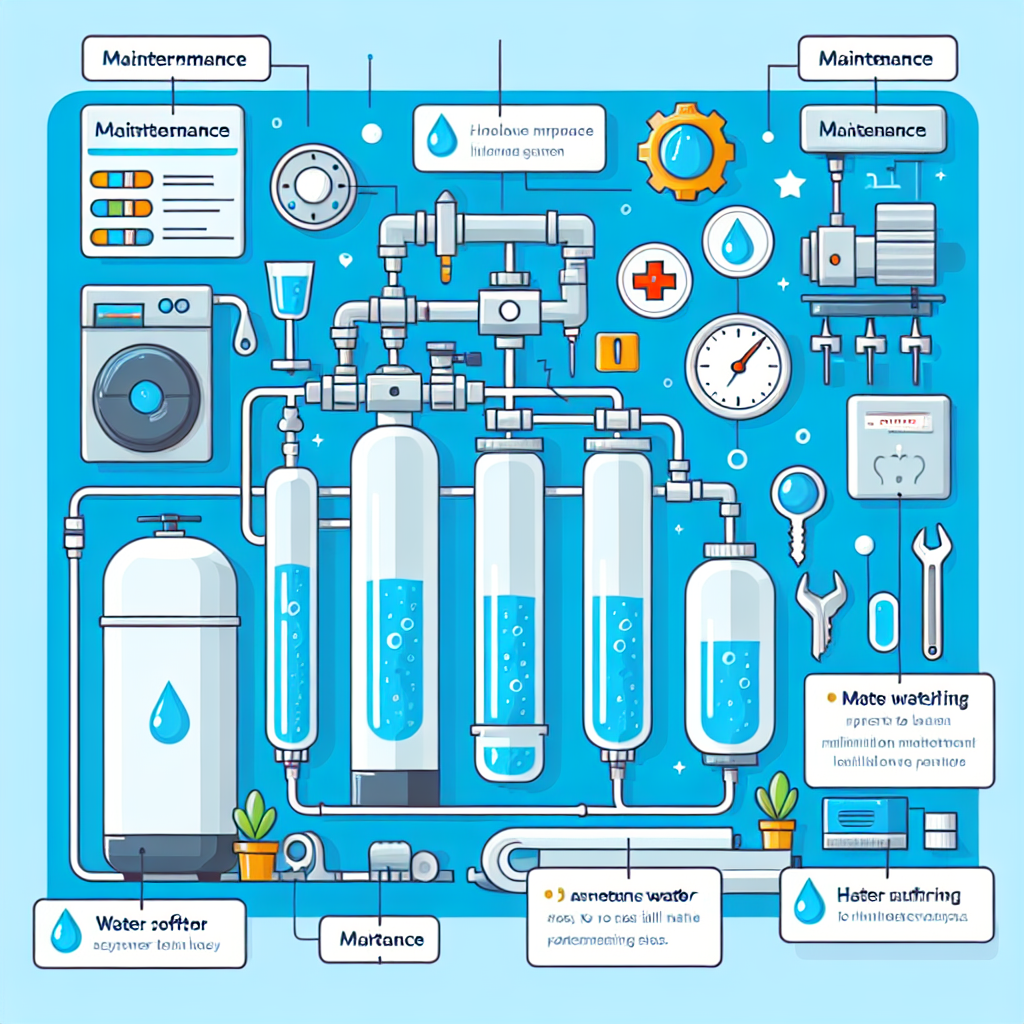
Understanding Water Softeners
Water softeners are like the superheroes of your plumbing system, swooping in to rescue you from the clutches of hard water. But what exactly is a water softener? In simple terms, it’s a system designed to remove minerals like calcium and magnesium from your water, replacing them with sodium ions. This process is vital for preventing scale buildup in your pipes and appliances.
So, how does a water softener work its magic? It all comes down to a process called ion exchange. When hard water passes through the resin bed inside the softener, the calcium and magnesium ions are exchanged for sodium ions. This not only makes your water softer but also helps extend the lifespan of your plumbing fixtures and appliances.
Benefits of Using a Water Softener
- Better Soap Efficiency: Softened water lathers better with soap, meaning you can use less shampoo and detergent.
- No More Scale Buildup: Say goodbye to those pesky mineral deposits that clog pipes and reduce appliance efficiency!
- Softer Skin and Hair: Enjoy the luxurious feel of softer skin and hair after bathing in softened water.
- Longer Appliance Lifespan: Appliances like dishwashers and washing machines will last longer without the damaging effects of hard water.
- Savings on Energy Bills: Less scale means appliances run more efficiently, saving you money on energy costs.
If you’re wondering about maintenance, don’t fret! Proper water softener cleaning is key to keeping your system running smoothly. Regular checks on components such as the resin tank and brine tank will help you avoid common issues like salt bridges or clogged injectors.
Importance of Water Softener Maintenance
Just like your trusty coffee maker needs a good scrub now and then to keep brewing that perfect cup, your water softener also craves a little TLC. Regular water softener cleaning is essential to ensure it operates at peak efficiency and keeps your water sparkling clean. Let’s dive into why maintenance is not just a nice-to-have but a must-do!
Why Regular Maintenance is Crucial

Think of your water softener as the unsung hero of your home’s plumbing system. It works hard to remove hard minerals like calcium and magnesium, which can wreak havoc on your pipes, appliances, and skin. But without proper maintenance, this hero can become a zero! Here’s why:
- Efficiency: Regular cleaning restores the efficiency of a water softener, ensuring it uses less salt and water during regeneration.
- Longevity: Just like changing the oil in your car can extend its life, routine maintenance helps prolong the lifespan of your water softener.
- Avoiding Costly Repairs: Neglecting maintenance can lead to major issues such as clogged injectors or resin bed problems, which can be expensive to fix.
Potential Issues from Neglecting Maintenance
If you think skipping maintenance is harmless, think again! Here are some potential pitfalls:
- Silt and Sediment Buildup: Over time, sediment can accumulate in the brine tank, leading to reduced performance. Think of it as your water softener trying to swim through molasses!
- Salt Bridges: A salt bridge forms when salt crystals harden into a solid mass in the brine tank, preventing effective regeneration. It’s like trying to break through a wall made of ice with a spoon!
- Ineffective Softening: If you don’t clean the resin bed regularly, you might find yourself battling hard water stains again talk about going backward!
Key Takeaway: Regular maintenance not only enhances performance but also prevents annoying hiccups down the line. So roll up those sleeves and get ready for some DIY fun!

Water Softener Cleaning Techniques
Keeping your water softener clean is like giving it a spa day essential for maintaining its health and efficiency! Regular water softener cleaning not only enhances the performance of your system but also extends its lifespan. Here’s how to pamper your water softener with some effective cleaning techniques.
How to Clean a Water Softener
Cleaning a water softener isn’t rocket science, but it does require a bit of know-how. Start by turning off the system and disconnecting the power. Then, follow these steps:
- Flush out the system by running a regeneration cycle.
- Add a cleaning solution like a citric acid water softener cleaner or even vinegar to the brine tank.
- Let it sit for about 15-30 minutes, allowing the cleaner to work its magic.
- Run another regeneration cycle to rinse everything out.
Cleaning the Resin Tank
The resin tank is where all the action happens, so keeping it clean is crucial. To clean your resin tank:
- Disconnect the brine line and drain any excess water.
- Add a resin cleaner specifically designed for water softeners; this will help remove iron and other contaminants.
- Run a regeneration cycle to flush out debris.
Brine Tank Cleaning Procedures
Your brine tank is like the heart of your water softening system. Here’s how to keep it pumping smoothly:
- Remove any salt buildup by breaking up large chunks this is where salt bridges can form!
- Scoop out any sediment that has settled at the bottom of the tank.
- If you see any residue, mix a bleach solution (1 part bleach to 10 parts water) and scrub down the interior surfaces. Rinse thoroughly!
Salt Bridge Removal Methods
A salt bridge can be as pesky as that one friend who never leaves your couch! To remove it:
- Poke around with a broom handle or similar tool to break up the salt bridge gently.
- Add warm water to help dissolve any remaining salt clumps.
- Once broken up, ensure you run a complete regeneration cycle to clear everything out!
Pro Tip: Always check manufacturer guidelines for specific cleaning instructions tailored to your model. This ensures you’re using compatible products and methods!
Water Softener Regeneration Process
Ah, the regeneration process it’s like the spa day for your water softener! This is where all the magic happens to keep your system running smoothly and efficiently. But what does it really entail? Let’s dive in.
Understanding Regeneration Cycles
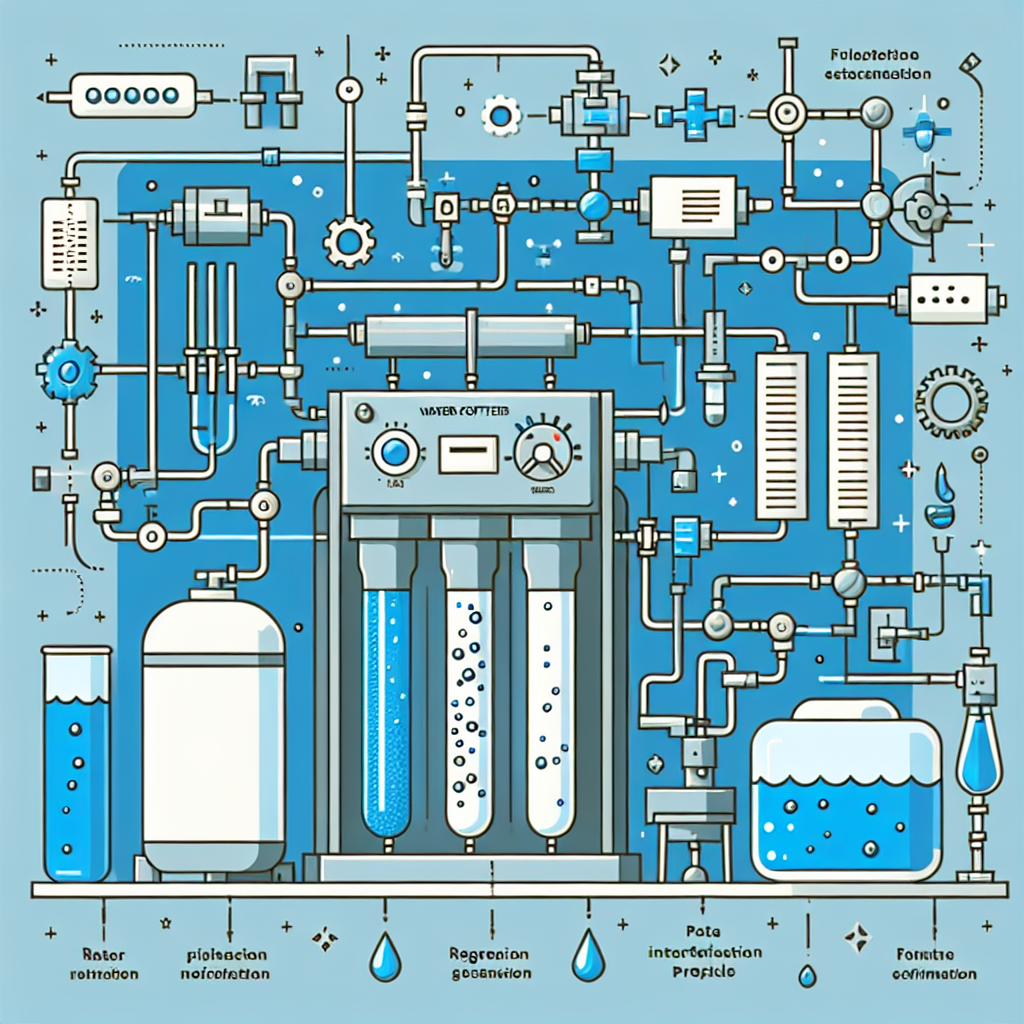
The regeneration cycle is a crucial part of water softener cleaning. It’s basically a reset for your system, allowing it to flush out accumulated minerals and recharge the resin beads that do all the heavy lifting. Think of it as a refreshing cleanse after a long week of hard work!
- Ion Exchange: During regeneration, sodium ions replace calcium and magnesium ions that have built up in the resin bed.
- Backwashing: This process reverses the flow of water to remove debris and sediment from the resin bed.
- Rinsing: After backwashing, a rinse cycle ensures that any leftover brine is washed away before the system goes back to softening water.
Frequency of Regeneration for Optimal Performance
The frequency of these regeneration cycles can vary based on your water usage and hardness levels. It’s like finding that sweet spot between too much pampering and not enough!
- Regular Usage: If you have a larger household or high water usage, you may need to regenerate every few days.
- Low Usage: For smaller households or less frequent use, once a week might suffice.
- Hard Water Levels: Higher hardness levels require more frequent regenerations to maintain efficiency.
Takeaway: Regularly monitoring your regeneration cycles not only enhances performance but also extends the lifespan of your water softener. Don’t skip this step!
Tips for Effective Regeneration
If you’re looking to optimize your water softener maintenance further, here are some pro tips:
- Add salt regularly to prevent salt bridges nobody wants their brine tank turning into a salt sculpture!
- If you notice reduced performance, consider descaling your system using citric acid or other recommended cleaners.
- Avoid using vinegar as it can damage certain components; stick with approved products for cleaning water softeners.
Troubleshooting Common Issues
Even the best water softener systems can run into hiccups now and then. Think of it as your water softener having a bad hair day no biggie! With a little troubleshooting, you can restore its smooth, silky function in no time. Here’s how to tackle some common issues:
Identifying Signs of Malfunctioning Systems
First things first: how do you know if your water softener is throwing a tantrum? Look out for these telltale signs:
- Hard water stains on fixtures and dishes.
- Sudden increase in soap usage like you’re in a bubble bath commercial.
- Low water pressure or flow issues.
- Unpleasant taste or odor in your water.
Troubleshooting Clogged Injectors and Venturi Valves
If you suspect that your water softener is not regenerating properly, it might be time to check the injectors and venturi valves. These components can easily get clogged with debris or mineral buildup, causing all sorts of trouble. Here’s what to do:
- Turn off the system and disconnect it from power.
- Remove the injector and inspect for clogs think of it as giving your softener a dental check-up!
- If clogged, soak it in a citric acid solution or use a specialized resin cleaner for water softeners to dislodge any stubborn gunk.
- Reassemble everything once it’s clean, and give it another go!
Addressing Salt Buildup Problems
No one wants their brine tank looking like an ice sculpture made of salt! If you notice salt buildup or crusty layers forming inside the tank, here’s how to tackle that:
- Inspect the brine tank regularly, especially during high-demand seasons.
- If you spot a salt bridge (a solid mass of salt), gently break it up with a broom handle or similar tool.
- For persistent buildup, consider using iron out for water softeners to clear away any stubborn deposits.
- Regularly flush out the brine tank by draining it completely and cleaning with warm soapy water don’t forget to rinse thoroughly!
If you find yourself facing more complex problems that require professional attention, don’t hesitate to call in an expert. Your goal is to restore efficiency to your system without losing your sanity or your hard-earned money!
Cleansing Agents and Solutions for Water Softeners
When it comes to water softener cleaning, choosing the right cleansing agents is crucial. Think of it as picking the right shampoo for your hair certain formulas work better depending on your hair type, and the same goes for your water softening system!
Citric Acid: The Natural Powerhouse
Citric acid is gaining popularity as a go-to cleaner for water softeners. It’s like the Swiss Army knife of cleaning agents effective, versatile, and natural! Using citric acid can help:
- Remove mineral buildup.
- Restore efficiency in the resin bed.
- Keep your system running smoothly without harsh chemicals.
The Role of Vinegar in Cleaning Processes
Ah, vinegar the trusty sidekick in many households! While you might think of it as just a salad dressing, it’s also a great option for cleaning water softeners. Here’s how vinegar can help:
- Acts as a mild acid to dissolve scale.
- Helps in flushing out sediment from the brine tank.
- Can be used to sanitize components when mixed with water.
The Best Water Softener Cleaners Available
If DIY isn’t your style, fear not! There are plenty of commercial options that can do the job just right. Here are some top contenders:
| Cleaner | Main Benefits |
|---|---|
| Citra-Flush | Great for descaling and removing iron build-up. |
| Iron Out | Specifically designed to tackle iron stains in water softeners. |
| Resin Cleaner | A specialized formula that cleans and rejuvenates resin beds. |
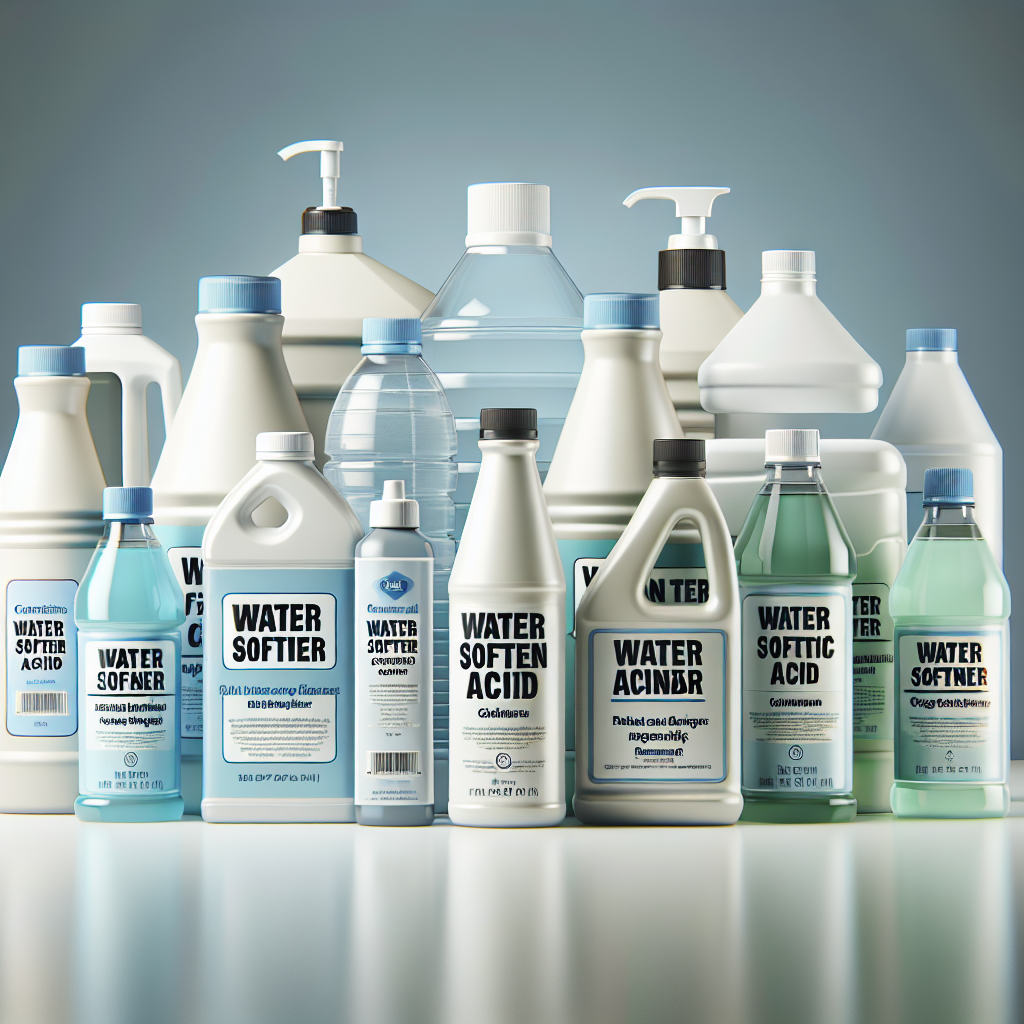
So there you have it a quick guide to effective cleansing agents for maintaining your water softener. Whether you opt for natural solutions like citric acid and vinegar or stick with trusted commercial products, keeping your system clean is key to smooth sailing (or should we say, smooth flowing?)!
Routine Maintenance Tips for Optimal Performance
Just like a well-oiled machine, your water softener needs a little TLC to keep it running smoothly. Think of it as giving your favorite car a regular wash and tune-up it’s all about maintaining that shiny, efficient performance. Here are some essential tips to ensure your water softener stays in top-notch shape:
- Inspecting and Cleaning Components Regularly: Make it a habit to check the components of your water softener every few months. Look for any signs of wear and tear, leaks, or clogs. A quick visual inspection can save you from bigger headaches down the road.
- Best Practices for Resin Bed Cleaning: The resin bed is like the sponge of your water softener it absorbs all those hard minerals. To keep it working efficiently, consider using a resin cleaner for water softeners. This will help restore its efficiency and prolong its life. Remember, cleaning the resin bed isn’t just about aesthetics; it’s crucial for optimal performance!
- Sanitizing the System with Bleach Solutions: Every now and then, give your system a thorough sanitization. Mix a bleach solution (typically 1 cup of bleach in a gallon of water) and run it through the system to eliminate bacteria and other nasties that could be lurking around.
- Preventative Measures to Avoid Sediment Buildup in Brine Tank: Sediment buildup can be a sneaky culprit behind poor water quality. To combat this, regularly flush out the brine tank by removing any accumulated sludge at the bottom. This simple task will help keep your system running efficiently.
- Regular Salt Bridge Removal: A salt bridge can form when salt crystals harden into a solid mass above the brine solution. This can prevent proper regeneration. If you suspect you have one (and you might if you notice salty taste or reduced efficiency), break it up gently with a broom handle or similar tool.
- Flush Out Water Softener System: Periodically flushing out your system helps remove any lingering minerals or contaminants that could affect performance. Follow manufacturer guidelines on how often this should be done typically every few months is ideal.
- Cleansing Agents: Use Wisely! When selecting cleansing agents like citric acid or vinegar in your cleaning regimen, make sure they’re compatible with your specific model. Some systems may react poorly to certain chemicals, so always check before diving in!
Pro Tip: Always refer to your user manual for specific maintenance schedules and recommendations tailored to your water softener model!
If you follow these routine maintenance tips for optimal performance, you’ll not only extend the life of your water softener but also enjoy cleaner and softer water day in and day out! So roll up those sleeves and get ready to pamper your trusty water-softening sidekick!
Conclusion
- < li >Inspecting and cleaning components regularly
- Best practices for resin bed cleaning
- Sanitizing the system with bleach solutions
- Preventative measures to avoid sediment buildup in brine tank ul> section >
< h2 >Conclusion h2 > section >
source https://www.waterandwastewater.com/waterandwastewater-com-expert-guide-water-softener-cleaning/
Ion Exchange for PFAS
Ion Exchange for PFAS: A Comprehensive Analysis
Introduction
In recent years, per- and polyfluoroalkyl substances (PFAS) have emerged as a significant environmental concern, infiltrating drinking water supplies and communities across the United States and globally. According to the Environmental Protection Agency (EPA), PFAS are a group of man-made chemicals that have been linked to various health issues, including liver damage, immune system effects, and developmental problems in children. As of 2025, regulatory pressure is mounting to identify effective treatment solutions to alleviate the pervasive threat posed by these pollutants. Among various technologies, ion exchange has become a favored method for targeting PFAS in water treatment processes.
Understanding the User Intent

The primary user intent behind the search for “Ion Exchange for PFAS” can be classified as Problem/Solution. The target audience likely includes plant operators, municipal water managers, environmental engineers, and policymakers seeking effective strategies to mitigate PFAS contamination. They aim to find solutions that are not only effective in removing contaminants but also compliant with emerging regulations.
Target Audience
- Plant Operators: Concerned with practical implementation and operational efficiency.
- Municipal Directors: Focused on regulatory compliance and public health.
- Design Engineers: Seeking technical solutions and design innovations.
- Regulatory Professionals: Looking for compliance standards and scientific support.
Outline
H2: What Are PFAS and Why Are They a Concern?
- H3: Overview of PFAS
- H3: Health Implications of PFAS Exposure
- H3: Regulatory Landscape as of 2025

H2: Understanding Ion Exchange Technology
- H3: Basic Components of Ion Exchange
- H3: Types of Ion Exchange Resins
- H3: Ion Exchange Mechanism Explained
H2: Ion Exchange Applications for PFAS Treatment
- H3: Efficiency of Ion Exchange in PFAS Removal
- H3: Case Studies and Success Stories
- H3: Comparison with Other PFAS Treatment Technologies
H2: Design Considerations for Ion Exchange Systems
- H3: Sizing and Configuration of Ion Exchange Systems
- H3: Operational Best Practices
- H3: Maintenance and Longevity of Ion Exchange Systems
H2: Cost Analysis of Ion Exchange for PFAS
- H3: Initial Investment vs. Long-Term Savings
- H3: Funding Opportunities and Grants
- H3: Economic Viability Compared to Alternative Technologies
H2: Future Trends and Innovations in Ion Exchange Technology
- H3: Emerging Resins and Materials
- H3: Pilot Testing and Scale-Up Innovations
- H3: Potential Changes in Regulatory Guidelines
H2: Conclusion: Addressing the PFAS Challenge through Ion Exchange
- H3: Summary of Key Insights
- H3: Call to Action for Stakeholders
What Are PFAS and Why Are They a Concern?
Overview of PFAS
Per- and polyfluoroalkyl substances, commonly referred to as PFAS, are a diverse group of human-made chemicals often used in industrial applications and consumer products for their water- and grease-proofing properties. Examples include Teflon, used in non-stick cookware, and various aqueous film-forming foams (AFFF) utilized in firefighting.
Health Implications of PFAS Exposure
The dangers of PFAS are underlined by mounting evidence, with studies indicating that certain PFAS can accumulate in the body and may lead to various health complications. A 2024 study from the CDC noted that PFAS exposure is correlated with increased cholesterol levels and lower vaccine responses in children.
Regulatory Landscape as of 2025
To combat PFAS pollution, the EPA has enacted stringent regulations, including the PFAS Action Plan, which mandates testing and treatment of drinking water supplies. In 2025, many states have introduced additional regulations, enforcing lower Maximum Contaminant Levels (MCLs) for specific PFAS, further emphasizing the urgency for effective remediation strategies.
Understanding Ion Exchange Technology
Basic Components of Ion Exchange
Ion exchange is a water treatment process that utilizes ion exchange resins to replace undesirable ions, such as PFAS, with more benign ions. This technology can be integrated into various water treatment systems, including municipal drinking water plants and industrial processes.
Types of Ion Exchange Resins
Various resins are available for PFAS removal, including:
- Strong Acid Cation Resins
- Weak Acid Cation Resins
- Strong Base Anion Resins (particularly effective for anionic PFAS like PFOA and PFOS)
Each type has unique advantages and can be tailored to specific PFAS compounds based on their ionic characteristics.
Ion Exchange Mechanism Explained
The ion exchange process relies on the ability of resin beads to attract and hold onto charged particles, effectively exchanging them with the ions that the resin can release. As water flows through the resin bed, PFAS contaminants are captured, substantially reducing concentrations in the treated effluent.
Ion Exchange Applications for PFAS Treatment
Efficiency of Ion Exchange in PFAS Removal
The efficiency of ion exchange for PFAS treatment is well-documented. Research indicates that ion exchange systems can achieve over 95% removal efficiency for common PFAS compounds like PFOA and PFOS. A study by the Water Research Foundation reported that ion exchange can effectively lower PFAS levels below detection limits in as many as 85% of tested scenarios.
Case Studies and Success Stories
Numerous municipalities have successfully implemented ion exchange systems in response to PFAS contamination. For example, the City of Ann Arbor, Michigan, reported successful implementation of ion exchange technology that improved drinking water quality and reduced PFAS levels by more than 98%.
Comparison with Other PFAS Treatment Technologies
Ion exchange is often compared with other treatment methods such as activated carbon adsorption, reverse osmosis, and advanced oxidation processes. While activated carbon is effective for certain contaminants, research shows that ion exchange systems outperform it in PFAS removal efficiency, particularly under variable water quality conditions.
Design Considerations for Ion Exchange Systems
Sizing and Configuration of Ion Exchange Systems
Properly sizing ion exchange systems is critical for maximizing efficiency. Factors influencing design include:
- Water Quality: Raw water concentrations, flow rate, and ion competition impact resin performance.
- Regulatory Requirements: Compliance with emerging PFAS guidelines necessitates precise calculations.
Operational Best Practices
Regular monitoring of flow rates, pressure drops, and resin saturation levels enhances system performance. Implementing a robust maintenance regimen, including timely resin replacements, is essential for sustainability and regulatory compliance.
Maintenance and Longevity of Ion Exchange Systems
Longevity of ion exchange systems directly correlates with the quality of the resin and operational practices. Studies show that well-maintained systems can operate effectively for more than five years, depending on influent water quality and loading conditions.
Cost Analysis of Ion Exchange for PFAS
Initial Investment vs. Long-Term Savings
Initial capital expenditures for ion exchange systems may be substantial, including costs for equipment and installation. However, ongoing operational costs are often lower than alternatives, leading to favorable long-term financial outcomes.
Funding Opportunities and Grants
Federal and state funding opportunities, such as the Bipartisan Infrastructure Law, provide financial support for PFAS treatment projects, easing the burden of initial investments for municipalities struggling with PFAS challenges.
Economic Viability Compared to Alternative Technologies
When weighed against alternatives like reverse osmosis and advanced oxidation, ion exchange often proves more economical in the long run due to lower operational costs and maintenance needs.
Future Trends and Innovations in Ion Exchange Technology
Emerging Resins and Materials
Research is ongoing to develop enhanced selectivity and capacity resins specifically designed for PFAS removal. Innovations in polymer chemistry may yield resins more efficient for capturing a broader spectrum of PFAS compounds.
Pilot Testing and Scale-Up Innovations
Pilot projects are demonstrating the scalability of innovative ion exchange systems under varying operational environments. Encouraging results indicate that these systems can be adapted to diverse municipal and industrial applications.
Potential Changes in Regulatory Guidelines
As scientific understanding of PFAS evolves, so too may regulatory guidelines. Staying informed about potential changes is vital for stakeholders aiming to adopt compliant and effective technologies for PFAS treatment.
Conclusion: Addressing the PFAS Challenge through Ion Exchange
Ion exchange technology presents a viable solution in the fight against PFAS contamination. With its proven efficiency, adaptability, and potential for innovation, it is a compelling option for communities and industries grappling with PFAS-related challenges. As regulatory demands intensify, stakeholders must prioritize investment in ion exchange solutions while remaining attuned to technological advancements and evolving compliance standards.
By addressing the PFAS issue through strategic implementation of ion exchange, we not only safeguard public health but also contribute to the larger goal of sustainable water management. Investing in these technologies today can ensure cleaner, safer water for future generations.
source https://www.waterandwastewater.com/ion-exchange-for-pfas/
Friday, August 1, 2025
Granular Activated Carbon for PFAS
Granular Activated Carbon for PFAS: An In-Depth Analysis for Effective Water Treatment
Introduction
In the wake of escalating concerns over water quality, Per- and polyfluoroalkyl substances (PFAS) have emerged as a prominent pollutant threatening both human health and environmental integrity. PFAS, commonly referred to as “forever chemicals,” are widely prevalent in drinking water supplies, industrial effluents, and consumer products. As a senior environmental engineer with extensive experience in designing water treatment solutions, the urgent need to address PFAS contamination is evident. One of the most promising technologies currently employed is Granular Activated Carbon (GAC), a method that not only demonstrates efficacy in removing PFAS but is also increasingly favored due to advancements in technology and regulatory support.
Understanding PFAS
What Are PFAS?
PFAS encompass a large group of synthetic chemicals characterized by a strong carbon-fluorine bond, which makes them resistant to degradation. This resilience leads to their accumulation in the environment and human body, raising significant health concerns linked to various ailments, including cancer, liver damage, and immune system dysfunction.
Regulatory Landscape
The U.S. Environmental Protection Agency (EPA) has taken steps to better regulate PFAS, including the proposal of a national drinking water standard. The “PFAS Action Plan” emphasizes the need to evaluate treatment technologies, creating a roadmap for municipalities and industries grappling with PFAS remediation challenges. As of 2025, states like Michigan, New Jersey, and California have already instituted stringent regulations, prompting a shift toward effective treatment solutions.
Granular Activated Carbon: An Overview
What is Granular Activated Carbon?
Granular Activated Carbon is an engineered form of carbon that has been processed to have a porous structure, giving it an extensive surface area ideal for adsorption. The adsorption properties of GAC enable it to capture contaminants like PFAS molecules in water, making it an essential tool in remediation efforts.
Mechanism of Action

The primary mechanism through which GAC removes PFAS from water is adsorption. The porous surface of GAC attracts and retains PFAS compounds as water flows through the filtration system. Various factors—such as contact time, PFAS concentration, and flow rates—can impact the effectiveness of GAC in specific applications.
Why Choose GAC for PFAS Treatment?
Advantages of GAC
-
High Efficiency: Studies have shown that GAC can achieve greater than 90% removal efficiency for many types of PFAS, making it one of the most effective technologies currently available (source: Water Research, 2024).
-
Cost-Effective: GAC systems often present a lower capital expenditure than other treatment technologies, particularly in small-to-medium water treatment facilities. The operational costs remain competitive due to the low energy requirements for typical GAC systems.
-
Regenerability: GAC can be regenerated and reused, offering an added economic benefit and reducing waste compared to one-time-use filters.
-
Flexible Applications: GAC systems can be employed in various settings, from municipal water treatment plants to industrial facilities and residential systems.
Limitations of GAC
While GAC has significant advantages, it is important to consider its limitations:
-
Saturation and Replacement: GAC can become saturated over time, necessitating replacement or regeneration. Regular monitoring is required to maintain performance.
-
Limited Effectiveness for Specific PFAS: Some long-chain PFAS are more difficult to remove, and the performance can vary based on the specific compounds present in the water.
Selection Criteria for GAC Systems
-
Water Quality Analysis: Understanding the specific types and concentrations of PFAS in the water can inform the design of a GAC system. Tailored solutions are necessary for optimal performance.
-
Flow Rate and Capacity: The design must accommodate the flow rate of the water supply and projected PFAS load to ensure effective treatment without undue pressure on the system.
-
Regeneration Frequency: Consideration of how frequently the GAC will need to be changed or regenerated is critical in terms of both operational efficiency and cost.
Case Studies: GAC Performance and Implementation
Case Study 1: Municipal Water Treatment Facility
In a municipal water treatment facility in Michigan, GAC was introduced as a cost-effective solution for reducing PFAS levels from drinking water. Initial tests showed PFAS concentrations at 70 ppt, exceeding the state’s 20 ppt limit. Over a six-month monitoring period, GAC reduced these levels to below detection limits, solidifying the technology’s viability for municipal applications.
Case Study 2: Industrial Wastewater Treatment
An industrial facility in California employed GAC in its wastewater treatment process to mitigate PFAS contamination from manufacturing processes. The challenge was significant due to high-flow wastewater streams. Here, innovative design allowed for continuous flow and regeneration cycles, leading to a successful reduction in PFAS levels from 150 ppt to below 20 ppt.
Regulatory Implications and Future Directions
Compliance and Best Practices
As regulations around PFAS become more stringent, maintaining compliance will be crucial for water treatment facilities. The adoption of GAC systems aligns with the EPA’s guidelines and can be part of a multi-barrier approach to water treatment including advanced oxidation processes or UV treatment for enhanced efficacy.
Emerging Technologies and Collaborations
In addition to GAC, emerging technologies like Ion Exchange (IX) and Advanced Oxidation Processes (AOPs) are being explored as complementary solutions. Collaborative efforts between government agencies, research institutions, and treatment facilities will drive innovation and facilitate comprehensive solutions to PFAS remediation challenges.
Conclusion
Granular Activated Carbon has solidified its status as a leading technology in the fight against PFAS contamination. Given its extensive benefits, including high efficiency, cost-effectiveness, and versatility, GAC represents a practical solution for municipalities, industries, and environmental engineers alike. As regulations around PFAS tighten and public awareness grows, the integration of GAC into water treatment protocols serves as a critical step toward safeguarding water quality and public health. By leveraging the strengths of GAC and embracing innovations within the field, we can create resilient, effective water treatment systems capable of addressing one of today’s most pressing environmental challenges.
In sum, investing in substantial research, regulatory compliance, and technology adoption, such as Granular Activated Carbon, will be pivotal as we navigate the complexities of PFAS remediation and strive to ensure a safer water supply for all.
source https://www.waterandwastewater.com/granular-activated-carbon-for-pfas/
PFOA and PFOS
Understanding PFOA and PFOS: The Environmental Challenges and Solutions in 2025
Introduction
Perfluoroalkyl substances (PFAS), particularly perfluorooctanoic acid (PFOA) and perfluorooctanesulfonic acid (PFOS), have become focal points in environmental health discussions due to their persistence in the environment and potential health impacts. As of July 30, 2025, ongoing public scrutiny, regulatory changes, and advancements in remediation technologies make it imperative for environmental professionals, municipal leaders, and the general public to understand the comprehensive implications of these compounds. The presence of PFOA and PFOS in drinking water has emerged as a critical concern, while the effects of these chemicals are still unfolding.
The objective of this article is to provide an in-depth analysis of PFOA and PFOS, examine the regulatory landscape in 2025, outline their effects on health and the environment, and explore current solutions for mitigation in water treatment.
Understanding PFOA and PFOS: Their Composition and Uses
What Are PFOA and PFOS?
PFOA and PFOS are part of a broader class of chemicals known as perfluoroalkyl substances (PFAS). These fluorinated compounds are characterized by a fully fluorinated carbon chain, making them exceptionally resistant to degradation. PFOA is primarily used to make fluoropolymers, while PFOS has been commonly used in stain-resistant fabrics, firefighting foams, and various other applications.
- PFOA: A carboxylic acid with eight carbon atoms, it is widely recognized for its role in the manufacturing of Teflon and other non-stick coatings.
- PFOS: A sulfonic acid with similar properties, PFOS has notable applications in stain repellents and firefighting foams.
According to industry analysis from 2024, PFOA and PFOS are among the most widely studied PFAS due to their environmental and health implications.
Current Regulatory Landscape
Federal and State Regulations in 2025
In 2025, regulatory frameworks specifically targeting PFOA and PFOS have become more stringent. The Environmental Protection Agency (EPA) has made significant strides in clarifying permissible limits for PFAS in drinking water.
-
EPA Guidelines: The EPA’s 2025 risk assessment has established an advisory level of 0.004 ng/L for PFOA and 0.005 ng/L for PFOS in drinking water, recognizing the severe health risks even at minuscule concentrations.
-
State-Level Actions: Many states have taken proactive measures, establishing tighter regulations. For instance, California and New Jersey have adopted maximum contaminant levels (MCLs) significantly lower than federal standards, reflecting local health concerns and legal actions against manufacturers.
International Perspectives
Globally, nations are waking up to the implications of PFAS, with the EU considering measures to ban non-essential uses of PFOS entirely. Alignment across nations is crucial in creating a unified front in minimizing PFAS contamination.
Health and Environmental Impacts
Health Risks Associated with PFOA and PFOS
Research has increasingly linked PFOA and PFOS exposure to various health effects. According to the 2024 National Toxicology Program findings, potential health risks include:
- Cancer Risks: Considerable evidence points to an increased risk of kidney and testicular cancers.
- Immune System Effects: PFAS exposure can result in reduced vaccine efficacy and increased risk of infectious diseases in children.
- Developmental Concerns: Pregnant women exposed to PFAS may risk adverse developmental outcomes in their offspring.
Environmental Persistence
The Environmental Protection Agency identifies PFAS as environmental pollutants of concern due to their longevity and bioaccumulation. Recent studies have shown persistent levels of PFOA and PFOS in soil, water bodies, and wildlife, causing significant ecological imbalance. The bioaccumulation in food chains has raised alarms concerning food safety, particularly for freshwater fish.
Monitoring and Detection
Emerging Technologies in Detection
Advancements in detection technologies have enhanced the ability of water treatment facilities and environmental agencies to quantify PFAS concentrations in various mediums.
- Liquid Chromatography-tandem Mass Spectrometry (LC-MS/MS): This technology allows for lower detection limits and more accurate quantification of PFOA and PFOS.
- Portable Spectroscopic Devices: Increasingly, municipalities are investing in portable detection units to monitor drinking water in real time.
Importance of Continuous Monitoring
In light of recent regulatory updates, continuous monitoring has become indispensable. The drinking water testing network supported by the EPA focuses on identifying sources of contamination and directing remediation efforts.
Mitigation and Treatment Solutions
Traditional Water Treatment Challenges
Conventional water treatment methods, including coagulation and sedimentation, have shown limited effectiveness in removing PFOA and PFOS. The resistance of these compounds to standard treatment practices necessitates innovative solutions.
Advanced Remediation Technologies
-
Activated Carbon Filtration:
- Effective in removing PFAS using granular activated carbon (GAC).
- Regular replacement and testing are recommended since carbon can become saturated.
-
Ion Exchange Resins:
- Specialized ion exchange resins designed for PFAS removal have emerged as robust alternatives.
- They selectively absorb PFAS compounds from water, minimizing leakage of contaminants.
-
Reverse Osmosis (RO):
- Reverse osmosis can effectively remove PFAS from drinking water.
- However, it requires significant energy input and produces waste concentrate that must be managed.
-
Innovative Biological Treatments:
- Research is ongoing to develop bioremediation strategies, using microbes engineered to break down PFAS.
Community Engagement and Public Health Initiatives
Municipalities are increasingly employing community outreach programs. Engaging with residents through education about PFAS pollution, encouraging involvement in monitoring, and facilitating transparency regarding water testing results are vital approaches to public health advocacy.
Conclusion
As of July 30, 2025, the understanding of PFOA and PFOS continues to evolve, necessitating informed actions from regulators, engineers, and communities. With growing evidence of health risks linked to these substances and tightening regulatory frameworks, it is paramount for stakeholders to actively pursue advanced treatment solutions and effective monitoring strategies. Engaging the public in discussions and developing community-specific solutions will enhance protection measures against PFAS contamination, safeguarding both ecological integrity and public health.
In navigating these challenges, the collaboration between scientific research, regulatory bodies, and engineering innovation is essential for promoting a sustainable and health-conscious future.
source https://www.waterandwastewater.com/pfoa-and-pfos/
Thursday, July 31, 2025
What Are PFAS
What Are PFAS: A Deep Dive into Per- and Polyfluoroalkyl Substances
Introduction
While individuals may not immediately recognize the acronym PFAS, their presence in everyday products is undeniable. Per- and polyfluoroalkyl substances (PFAS) are a group of man-made chemicals that have become a major focus of environmental concern as documentary evidence of their harmful effects emerges. In July 2025, an increasing number of municipalities and industries are grappling with the implications of PFAS on public health and water safety following proactive regulatory frameworks and evolving treatment technologies. This article aims to provide a comprehensive understanding of PFAS, their environmental impacts, health risks, regulatory status, and the latest treatment solutions.
What Are PFAS?
Definition and Characteristics
PFAS refers to a broad class of synthetic chemicals that include thousands of individual compounds. They are characterized by the presence of carbon-fluorine bonds, which grant them unique properties such as water and grease resistance, thermal stability, and oil repellency. These characteristics make PFAS particularly useful in a variety of applications, including:
- Firefighting Foam: Aqueous film-forming foams (AFFF) that include PFAS are employed in emergency firefighting.
- Industrial Processes: Used in coatings, textiles, and various manufacturing processes.
- Consumer Products: Found in non-stick cookware, stain-resistant fabrics, and food packaging.
History and Usage
The production of PFAS began in the 1940s, and their use quickly proliferated in industries across the globe. However, the environmental and health consequences of these compounds began to gain attention in the 1990s. Over the decades, research has revealed their persistence in the environment and ability to bioaccumulate in living organisms.
Why Are PFAS Problematic?
Environmental Persistence
PFAS have been dubbed “forever chemicals” due to their remarkable resistance to breakdown in the environment. Research from the Environmental Protection Agency (EPA) indicates that PFAS compounds can remain in soil and water for decades, leading to widespread contamination. This persistence poses challenges for clean-up efforts and environmental restoration.
Health Risks
Numerous studies link PFAS exposure to several health issues. According to a 2024 industry review, individuals with elevated PFAS levels may experience:
- Increased cholesterol levels: A study published in the Environmental Health Perspectives highlights a correlation between PFAS exposure and elevated cholesterol, posing cardiovascular risks.
- Reproductive and developmental effects: Research indicates potential impacts on fetal development, leading to lower birth weights and developmental delays.
- Immune system interference: Evidence suggests PFAS may exacerbate the immune response, compromising efficacy against certain vaccines.
Regulations and Legislation
As of mid-2025, regulatory frameworks regarding PFAS have been significantly strengthened. The EPA recently published a comprehensive strategy to manage these chemicals, including proposed Maximum Contaminant Levels (MCLs) for certain PFAS, such as PFOA and PFOS, in drinking water. The 2023 National Defense Authorization Act has also mandated the military to phase out PFAS-containing firefighting foams by 2026.
What Are the Common Sources of PFAS?
Water Sources
One of the most concerning pathways for PFAS contamination is through drinking water supplies. A recent survey found that approximately 30% of community water systems nationwide reported detectable levels of PFAS. Contaminations often stem from:
- Industrial Facilities: Discharges from manufacturing plants using PFAS-containing products.
- Landfills: Leaching from waste containing PFAS-laden consumer goods.
Soil Contamination
With the agricultural application of biosolids, PFAS can migrate from wastewater treatment plants into the soil and subsequently enter the food chain.
Consumer Products
Items such as non-stick cookware, water-resistant textiles, and food packaging are significant contributors to PFAS exposure, especially when these products degrade over time.
How to Detect PFAS?
Testing Protocols
Detection of PFAS in water involves specialized laboratory methods, such as:
- Total Oxidizable Precursor Assay (TOP Assay): Estimates the total concentration of PFAS in water samples.
- U.S. EPA Method 537.1: A standardized testing method that can identify and quantify specific PFAS compounds.
Ascertaining Safety Levels
In light of evolving scientific understanding, understanding and implementing safe thresholds for PFAS concentrations in drinking water is critical. The EPA’s proposed MCLs aim to protect public health by minimizing exposure.
Current Treatment Technologies for PFAS
Adsorption
Granular Activated Carbon (GAC): This method involves passing contaminated water through carbon filters which adsorb PFAS molecules effectively. Recent studies show that high-capacity GAC systems can significantly lower PFAS concentrations.
Ion Exchange
This technology utilizes resins that preferentially attract PFAS over other ions. The process effectively removes certain PFAS compounds from drinking water, but careful management of exhausted resins is necessary to avoid re-releasing contaminants.
Advanced Oxidation Processes (AOP)
Utilizing oxidants such as ozone, AOP methods can degrade PFAS compounds into less harmful byproducts. Although the technology is impactful, high operational costs remain a barrier for widespread adoption.
Membrane Technologies
Reverse osmosis and nanofiltration can effectively separate PFAS from water. While these techniques yield high purity levels, the challenge of membrane fouling and high energy costs needs addressing.
Communicating PFAS Risks to the Public
Transparency and Public Awareness
Stakeholders operating in municipalities and industrial sectors must prioritize communicating PFAS risks effectively. This includes:
- Public Information Campaigns: Sharing information on PFAS sources and health implications.
- Community Engagement: Regularly hosting sessions to educate citizens about local water testing and available resources.
Regulatory Compliance and Reporting
Implementing rigorous monitoring and transparent reporting practices can help bolster community trust and safety. Local governments are encouraged to develop and comply with drinking water quality standards consistent with the latest EPA directives.
Conclusion
PFAS represent a pressing environmental and public health challenge. With their widespread usage, potential health risks, and the regulatory landscape continuing to evolve, understanding PFAS is crucial for engineers, policymakers, and the public alike. As new technologies emerge to address PFAS contamination, continuous monitoring, effective communication, and community involvement will be vital to mitigating the risks posed by these “forever chemicals.”
The issue surrounding PFAS is complex, and as professionals in environmental engineering and water treatment, it is essential to remain informed and proactive in developing solutions that ensure safe drinking water for all.
source https://www.waterandwastewater.com/what-are-pfas/
Wednesday, July 30, 2025
PFAS Removal
PFAS Removal: The Comprehensive Guide to Addressing Contamination
Introduction
In an age where environmental safety is paramount, PFAS (per- and polyfluoroalkyl substances) have emerged as a significant public health concern. These “forever chemicals” are notoriously persistent in the environment and human body, leading to rising apprehensions among communities, regulators, and industries alike. Understanding the urgency of PFAS removal not only aligns with regulatory mandates but is crucial for safeguarding public health and preserving ecosystems. In this comprehensive guide, we will navigate the intricacies of PFAS removal, explore state-of-the-art treatment technologies, and delineate regulatory frameworks guiding PFAS management.
Understanding PFAS: The Problem
What Are PFAS?
PFAS are synthetic chemicals used in a variety of industries since the 1950s, renowned for their water- and grease-repellent properties. Common applications include non-stick cookware, food packaging, and water-resistant fabrics. However, studies reveal that PFAS can accumulate over time in both the environment and biological systems, leading to adverse health effects such as liver damage, thyroid dysfunction, and increased cancer risks.
The Scope of Contamination
Estimations suggest that over 120 million Americans may be exposed to PFAS through various sources, including drinking water, and contaminated food. The Environmental Protection Agency (EPA) has released guidelines indicating that more than 70% of U.S. water systems show detectable levels of PFAS, highlighting the sheer scale of this contamination issue.
Regulatory Framework for PFAS Management
Current Regulations
As of 2025, several crucial regulations guide PFAS management. The EPA has introduced a Proposed National Drinking Water Regulation to establish enforceable limits on PFAS levels. Meanwhile, state-level initiatives in places like California and Michigan have created stringent requirements, often setting much lower limits than the EPA’s proposed federal standards.
Impacts of Regulation
These regulatory measures serve to incentivize industries to invest in PFAS removal technologies and methodologies. Facilities are now under pressure to incorporate effective treatment solutions, ensuring that they remain compliant and protect public health.
PFAS Removal Technologies: An Overview
Conventional Treatment Methods
-
Granular Activated Carbon (GAC)
- GAC is a widely used method for PFAS removal in municipal water systems due to its cost-effectiveness and efficiency. However, it requires regular replacement to maintain efficacy.
-
Ion Exchange Resins
- Ion exchange systems are designed to remove PFAS by exchanging them for less harmful ions. This method is particularly effective for short-chain PFAS but may require downstream treatment due to residual contaminants.
-
Reverse Osmosis (RO)
- RO is a highly efficient method for PFAS removal, capable of reducing concentrations significantly. It is, however, energy-intensive and may require substantial operational infrastructure.
Advanced Removal Technologies
-
Electrochemical Oxidation
- [Placeholder for a flowchart illustrating the electrochemical oxidation process] This cutting-edge technology utilizes electric currents to decompose PFAS molecules and has demonstrated efficacy in lab conditions.
-
Advanced Oxidation Processes (AOPs)
- AOPs employ oxidants like ozone and hydrogen peroxide to break down PFAS compounds into harmless byproducts. Recent studies indicate that AOPs can reduce PFAS concentrations by up to 99%.
-
Bioremediation
- Emerging research into bioremediation techniques aims to harness microorganisms capable of degrading PFAS compounds. While still mostly in experimental stages, this method holds promise for long-term solutions.
Comparing Technologies
| Treatment Method | Effectiveness | Cost | Infrastructure Needs |
|---|---|---|---|
| Granular Activated Carbon | Moderate | Low | Low |
| Ion Exchange | High | Moderate | Moderate |
| Reverse Osmosis | Very High | High | High |
| Electrochemical Oxidation | High (emerging) | Varies | Moderate |
| Advanced Oxidation | Very High | High | High |
Case Studies in PFAS Removal
Community Initiatives
Numerous communities across the United States have adopted proactive measures to address PFAS contamination. For example, a 2024 initiative in Flint, Michigan, implemented a combination of GAC and reverse osmosis systems, significantly reducing PFAS levels in municipal water supplies from over 70 ppt to below the EPA’s action limit.
Industrial Solutions
Industries, particularly those in firefighting foam manufacturing, have faced regulatory scrutiny. In 2025, a major corporation successfully transitioned to a non-PFAS-based firefighting foam alternative, combined with onsite water treatment systems that utilize ion exchange technology, effectively mitigating PFAS-related environmental liability.
Challenges and Future Considerations
Ongoing Research Needs
Despite advancements in technology, challenges persist. Researchers continue to seek methods that are not only effective but also economically viable for widespread adoption. The need for continuous monitoring and updated methods of detection remains crucial.
Public Awareness and Advocacy
Public sentiments regarding PFAS have driven community activism, fostering greater awareness and questioning previously accepted industrial practices. Stakeholders must prioritize transparency, engaging communities in discussions on PFAS mitigation strategies.
Conclusion
Navigating the complexities of PFAS removal is a daunting task that combines scientific innovation, regulatory compliance, and community engagement. As we advance further into 2025, the importance of robust PFAS treatment solutions becomes increasingly evident. By utilizing a blend of conventional and advanced treatment methods, communities and industries can effectively confront PFAS contamination, thereby promoting a healthier future.
Call to Action
For municipalities and industries eager to enhance their water treatment systems and ensure regulatory compliance, contact our team of experts today. Discover how our tailored PFAS removal solutions can safeguard your community and environment while investing in sustainable practices.
source https://www.waterandwastewater.com/pfas-removal/
-
The Puerto Nuevo/Bayamón Regional Wastewater Treatment Plant (WWTP) stands as a testament to modern sewage management and environmental ste...
-
Utilizing Bacteria for Wastewater Treatment: A Comprehensive Guide Introduction Water scarcity and pollution are among the most pressing g...
-
Water and Wastewater Newsletter North Carolina Edition Welcome to this edition of the Water and Wastewater Newsletter, bringing you t...
