Sunday, February 2, 2025

Water Softener And Filtration System

Understanding Water Softeners and Filtration Systems: A Comprehensive Guide

Introduction

Water is an essential resource that permeates our daily lives — from drinking, cooking, and bathing to cleaning and gardening. However, not all water is created equal. Depending on the source, water can contain various minerals, contaminants, and impurities that affect both its safety and usability. Two prevalent solutions for improving water quality are water softeners and filtration systems. This article aims to provide an in-depth look at both systems, examining their functions, benefits, types, potential drawbacks, and key considerations for homeowners.

What is Hard Water?

Before understanding water softeners, it’s essential to grasp the concept of hard water. Hard water contains high concentrations of minerals, primarily calcium and magnesium. Water becomes hard when it passes through limestone, chalk, or gypsum deposits, which release these minerals into the water supply.

Effects of Hard Water

  1. Scale Buildup: Hard water leads to scale formation in plumbing fixtures, appliances, and pipes. This buildup can reduce water flow and increase the energy needed for appliances like water heaters.

  2. Soap Scum: Hard water reacts with soap to create soap scum, which can leave residues on dishes, laundry, and skin.

  3. Laundry Issues: Clothes washed in hard water may appear dingy, feel stiff, and have reduced life spans due to fabric wear caused by mineral deposits.

  4. Skin and Hair: Hard water can lead to dry skin and hair since soap and shampoo may not lather effectively, leading to residue.
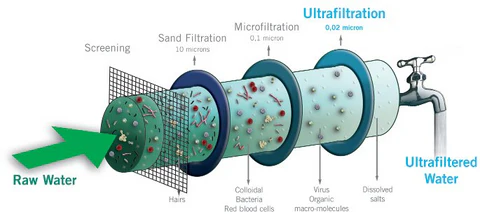
Benefits of Water Softeners

A water softener is a device designed to reduce water hardness by removing calcium and magnesium ions and replacing them with sodium or potassium ions. Here are several key benefits:

  1. Improved Appliance Longevity: Water softeners can significantly extend the life of appliances, including dishwashers, water heaters, and washing machines, by minimizing scale buildup.

  2. Enhanced Cleaning: Softened water allows soap and detergents to perform more efficiently, reducing the amount needed for cleaning and providing better results.

  3. Skin and Hair Care: Bathing in soft water can improve skin hydration and leave hair feeling softer and more manageable.

  4. Household Maintenance: Less scale buildup leads to fewer plumbing issues, resulting in lower maintenance costs.

Types of Water Softeners

There are several types of water softening systems, each with its unique features and benefits:

1. Ion Exchange Water Softeners

Ion exchange systems are the most common type of water softener. They utilize a resin bed that exchanges hard minerals (calcium and magnesium) with sodium or potassium. The process involves:

  • Water Soaking: Hard water enters the system and flows through a resin tank.
  • Ion Exchange: The hard minerals are attracted and held by the resin beads, while sodium ions are released into the water.
  • Regeneration: Periodically, the system uses a salt solution to regenerate the resin, flushing out the accumulated calcium and magnesium.

2. Salt-Free Water Softeners

These systems do not employ the ion exchange method. Instead, salt-free systems use a process called Template Assisted Crystallization (TAC) or a similar technique to prevent scale buildup without removing calcium and magnesium. The benefits include:

  • No Salt Usage: Ideal for those concerned about sodium intake.
  • No Regeneration: These systems run continuously without the need for periodic regeneration.

However, salt-free softeners may not be as effective for very hard water.

3. Magnetic and Electronic Water Conditioners

These devices claim to alter the physical properties of mineral ions in hard water without removing them. Critics question the efficacy of these systems, and their scientific backing is limited.

4. Dual-Tank Water Softeners

For households with high water consumption, dual-tank water softeners can provide a continual supply of softened water. While one tank is in use, the other tank is regenerating, allowing for uninterrupted water supply.

5. Whole House vs. Point of Use

  • Whole House Water Softeners treat all water entering the home, making them ideal for households with multiple water usage points.
  • Point of Use systems, on the other hand, install on specific taps and appliances, which can help save costs for smaller households or specific use cases.

What Are Water Filtration Systems?

While water softeners focus on hardness, water filtration systems address unwanted contaminants and impurities in water. These systems can remove bacteria, viruses, chemicals, heavy metals, and sediments, making water safer for consumption and use.

Types of Water Filtration Systems

  1. Activated Carbon Filters: These filters use activated carbon to absorb impurities and contaminants, including chlorine, sediment, volatile organic compounds (VOCs), and some heavy metals. Commonly found in pitcher filters and faucet-mounted filters, they improve water taste and odor.

  2. Reverse Osmosis (RO) Systems: RO systems use a semi-permeable membrane to remove up to 99% of dissolved solids, including salts, minerals, and many contaminants. While effective, these systems can waste water and typically require multiple stages of filtration.

  3. Ultraviolet (UV) Filters: UV filters use ultraviolet light to eliminate bacteria and viruses. They are often used in conjunction with other filtration methods to ensure comprehensive water purification.

  4. Sediment Filters: These filters remove larger particles such as sand, silt, and rust from water. They are commonly employed as pre-filters in a multi-stage filtration system, protecting the more delicate filtration components.

  5. Water Distillers: Distillation involves boiling water and then condensing the steam back into liquid, which separates pure water from contaminants. While highly effective, distillation can be energy-intensive and slow.

  6. Whole House Filtration Systems: These systems filter all water entering a home, providing clean water from every tap. They can combine multiple filtration methods for better results, tailored to regional water quality and household requirements.

Comparing Water Softeners and Filtration Systems

Although water softeners and filtration systems serve different purposes, both aim to improve water quality. Understanding their distinctions is crucial in choosing the right system for your needs.

Aspect Water Softeners Water Filtration Systems
Purpose Reduces hardness (minerals) Removes contaminants and impurities
Common Contaminants Calcium, magnesium Chlorine, heavy metals, bacteria, VOCs
Efficiency More efficient for hard water Varies based on the filtration method
Maintenance Requires salt and occasional regeneration Filter replacements; maintenance varies
Cost Initial investment and ongoing costs Initial investment and filter replacement costs
Impact on Water Changes mineral composition; sodium may affect taste Improves taste, odor, and safety

Considerations for Homeowners

Choosing the right system or combination of systems involves careful consideration. Here are some key factors to evaluate:

1. Water Testing

Start by testing your water supply for hardness and contaminants. Many local health departments offer testing services, or you can purchase an at-home testing kit.

2. Household Needs

Consider the size of your household, water consumption patterns, and specific water quality concerns, such as hard water scale buildup or chemical contaminants. Larger households may benefit from whole-house solutions, while smaller homes might opt for point-of-use systems.

3. Space Availability

Evaluate whether you have sufficient space for the desired system, especially for whole-house systems, which may require specific installation areas.

4. Installation Requirements

Determine whether you will install the system yourself or hire a professional. Some systems, like faucet-mounted filters, are simple to install, while others, like whole-house systems, may require plumbing skills.

5. Maintenance Costs

Understand the ongoing maintenance costs associated with different systems. Some systems, like salt-based water softeners, have recurring salt costs, while filtration systems may require regular filter replacements.

6. Environmental Considerations

Opt for systems that align with your environmental values. Salt-free water softeners and certain filtration options may be more eco-friendly solutions that minimize chemical use.

7. Budget

Set a reasonable budget that accounts for both initial purchase and ongoing maintenance costs. Prioritize your needs to identify the best value for your investment.

The Role of Water Softeners and Filtration Systems in Public Health

Water quality is a public health issue that affects entire communities. Access to clean, safe water mitigates the risk of waterborne diseases and enhances the overall quality of life. While both water softeners and filtration systems enhance individual water quality, they play critical roles in promoting public health:

  1. Reducing Hard Water Impact: Water softeners ease the burden on local infrastructure by minimizing scale buildup in plumbing systems, thus reducing potential leaks and failures.

  2. Clean Drinking Water: Filtration systems ensure access to safe water free from harmful pathogens and contaminants, significantly lowering the risk of health issues.

  3. Economic Considerations: Improved water quality can lead to lower healthcare costs as communities face fewer health-related issues linked to water quality.

Conclusion

Water softeners and filtration systems are essential tools in improving water quality for homeowners and communities alike. Understanding the differences between the two systems allows individuals to make informed choices that best suit their water quality needs.

As you navigate the decision-making process, consider the importance of ongoing water testing, household needs, installation requirements, and budget constraints. Whether you choose to install a water softener, a filtration system, or a combination of both, you invest in your family’s well-being and the overall quality of your daily water supply. Clean, soft water enhances not only health but also the comfort and functionality of your home, making it an essential consideration for any homeowner.

The post Water Softener And Filtration System appeared first on Water & Wastewater.


source https://www.waterandwastewater.com/water-softener-and-filtration-system/

Fully Welded Ball Valves

Fully Welded Ball Valves: The Key to Reliability in Industrial Applications

Introduction

In the realm of industrial control systems, valves play a crucial role in regulating the flow of liquids and gases in various applications. Among the many types of valves available, fully welded ball valves stand out due to their design, reliability, and performance in critical environments. This article aims to provide a comprehensive overview of fully welded ball valves, including their construction, advantages, applications, and maintenance, as well as comparisons with other valve types.

1. What Are Fully Welded Ball Valves?

Fully welded ball valves are a type of valve that incorporates a spherical closure element (the ball) to control the flow of media. The valve body and ends are permanently joined together by a seamless weld, which provides a robust and leak-proof structure, making these valves ideal for high-pressure and high-temperature applications.

1.1 Structure and Design

A fully welded ball valve generally consists of the following parts:

  • Body: The main structure of the valve, typically made from high-grade materials such as carbon steel, stainless steel, or alloy steel. The body is designed to withstand high pressure and corrosion, making it suitable for various environments.

  • Ball: This is the core component that facilitates flow control. The ball features a hole (or bore) through its center, which allows flow when aligned with the pipeline. The design of the ball ensures a tight seal when the valve is closed.

  • Seals: These components are crucial for preventing leaks. Fully welded ball valves often use high-temperature and high-pressure-resistant materials for seals, such as PTFE (Teflon) or other specialized elastomers.

  • Actuators: Depending on the application, these valves can be operated manually with a handle or automatically with pneumatic, hydraulic, or electric actuators.

1.2 Types of Fully Welded Ball Valves

Fully welded ball valves come in various configurations, such as:

  • Floating Ball Valve: In these valves, the ball is supported by seats that allow it to float slightly to help establish a tighter seal upon closure.

  • Trunnion Mounted Ball Valve: This design features a fixed trunnion that holds the ball in place, allowing for better control in high-pressure scenarios. This configuration reduces friction and wear on the seals.

1.3 Standards and Certifications

Fully welded ball valves are manufactured following strict industry standards such as ANSI (American National Standards Institute), API (American Petroleum Institute), and ASME (American Society of Mechanical Engineers). Certifications like ISO 9001 confirm the quality management systems in place throughout the manufacturing process.

2. Advantages of Fully Welded Ball Valves

Fully welded ball valves offer numerous advantages that make them a preferred choice in various industrial applications.

2.1 Leak-Proof Design

The most significant advantage of fully welded ball valves is their leak-proof design. The absence of flanged connections and the fully welded body eliminates potential leak points. This is particularly important in critical applications like oil and gas, where leaks can lead to hazardous situations.

2.2 Durability and Longevity

Designed to withstand extreme conditions, fully welded ball valves exhibit exceptional durability. Their construction allows them to resist corrosion, high pressure, and high temperatures, resulting in an extended service life. Many manufacturers guarantee these valves for 10, 20, or even more years of operational life.

2.3 Low Maintenance Requirements

Due to their robust construction and reduced number of components, fully welded ball valves typically require less maintenance than other valves. Regular inspections are often sufficient to ensure their operational efficiency.

2.4 Versatility

These valves are suitable for various applications, including oil and gas, petrochemicals, wastewater management, and power generation. Their ability to handle different media, including abrasive, corrosive, and viscous substances, makes them highly versatile.

2.5 Cost-Effectiveness

While the initial investment for fully welded ball valves might be higher than for traditional valves, the long-term savings achieved through reduced maintenance, minimal downtime, and extended service life make them a cost-effective solution for industrial operations.

3. Applications of Fully Welded Ball Valves

Fully welded ball valves find their place in numerous industries due to their reliability and robust performance characteristics.

3.1 Oil and Gas Industry

In the oil and gas sector, fully welded ball valves are commonly utilized in upstream, midstream, and downstream processes. They are essential in handling high-pressure crude oil and gas transport systems while ensuring safety and efficiency.

3.2 Petrochemical Processing

These valves are used in refining and processing operations, handling a wide array of chemicals under demanding conditions. Their ability to manage aggressive media while providing leak-proof operation is crucial in maintaining product integrity and safety.

3.3 Water and Wastewater Management

In the water treatment and wastewater sectors, fully welded ball valves can efficiently manage flow and pressure in treatment plants and distribution networks. Their resilience against corrosion and sediment build-up makes them ideal for harsh environments.

3.4 Power Generation

In power plants, fully welded ball valves can control the flow of cooling water, steam, and fuel. Their reliability and performance are vital in maintaining operational efficiency and safety in critical power generation systems.

3.5 HVAC Systems

In heating, ventilation, and air conditioning (HVAC) applications, these valves are used for regulating flow in chillers, boilers, and piping networks, contributing to energy efficiency and system optimization.

4. Comparison With Other Valve Types

While fully welded ball valves are advantageous in many situations, it is essential to compare them with other types of valves to understand when to use each type effectively.

4.1 Gate Valves

Gate valves are typically used in on/off applications and have low resistance to flow. However, they are not suitable for throttling applications and can be prone to leaks. Fully welded ball valves, with their robust design, offer superior sealing capabilities and performance in high-pressure conditions.

4.2 Globe Valves

Globe valves are excellent for throttling flow, yet they suffer from higher pressure drops due to their design. On the other hand, fully welded ball valves provide minimal resistance and maintain flow characteristics better, making them suitable for applications demanding high flow rates.

4.3 Butterfly Valves

Butterfly valves are often chosen for their lightweight and compact design, making them suitable for larger pipelines. However, they can have sealing issues in harsh environments. Fully welded ball valves, while relatively heavier, offer a more reliable sealing mechanism and durability under extreme conditions.

4.4 Check Valves

Check valves are utilized for preventing backflow in piping systems. However, they operate automatically and are not suitable for flow regulation. In contrast, fully welded ball valves provide operators with greater control over flow and pressure, making them a more flexible choice in many applications.

5. Maintenance and Troubleshooting

Even though fully welded ball valves require less maintenance than other types, regular checks and minor repairs can enhance their longevity and performance.

5.1 Regular Inspections

Routine inspections are essential to identify wear on seals, detect any corrosion on the body, and confirm the actuator’s functionality. Inspecting gaskets and bolts can also help prevent leaks.

5.2 Lubrication

For valves equipped with actuators, regular lubrication of moving parts is necessary to prevent friction and ensure smooth operation. High-temperature grease is often recommended for lubrication purposes.

5.3 Troubleshooting Common Issues

  • Leakage: If any leakage occurs, inspect the body welds and seals for defects and consider replacing the seal if available.

  • Actuator Malfunctions: If the actuator fails to operate correctly, check the power supply, control signals, and connections.

  • Sticking Ball: If the ball is sticking, it may require cleaning or lubrication. Regular operation and maintenance can prevent this issue.

6. Conclusion

Fully welded ball valves are an essential component of modern industrial applications, providing unmatched reliability and performance in various environments. Their design minimizes leak potential and offers resilience against extreme pressure and temperature conditions, making them ideal for demanding applications like oil and gas, petrochemicals, environmental management, and power generation.

While they might require a higher initial investment, the lower maintenance needs and extended service life make them a cost-effective solution for many industries. By understanding their benefits, applications, and comparison with other valves, industrial operators can make informed decisions about valve selection, ensuring efficient and reliable process control.

As industries continue to evolve and seek solutions that enhance operational efficiency while meeting stringent safety and environmental regulations, fully welded ball valves are positioned to remain a cornerstone in industrial valve technology.

The post Fully Welded Ball Valves appeared first on Water & Wastewater.


source https://www.waterandwastewater.com/fully-welded-ball-valves/

Saturday, February 1, 2025

Double Block and Bleed Ball Valves

Understanding Double Block and Bleed Ball Valves: A Comprehensive Overview

In the domain of process engineering and fluid control, valves play a pivotal role in the efficient management of fluids and gases. Among the various types of valves employed in the industry, double block and bleed ball valves stand out for their unique design and functionality. This article delves into the intricacies of double block and bleed (DBB) ball valves, elucidating their construction, mechanisms, applications, advantages, and maintenance considerations.

Table of Contents

  1. Introduction to Double Block and Bleed Valves
  2. Design and Construction of DBB Ball Valves
  3. Mechanics of Double Block and Bleed Ball Valves
  4. Applications of DBB Ball Valves
  5. Advantages of Using DBB Ball Valves
  6. Maintenance and Inspection of DBB Ball Valves
  7. Future Trends in Valve Technology
  8. Conclusion

1. Introduction to Double Block and Bleed Valves

Double block and bleed valves are essential components used in various industries, including oil and gas, chemical processing, and water management. They are designed to provide a high level of safety and reliability by isolating a section of piping from the system while allowing for monitoring and drainage. DBB valves facilitate maintenance, testing, and servicing of upstream equipment without the risk of fluid leaks or pressure blowouts.

Definition: A double block and bleed valve is a valve assembly that incorporates two block valves and a bleed port. The two block valves prevent the flow of media, while the bleed port enables the safe dissipation of any residual pressure in the sealed section.

2. Design and Construction of DBB Ball Valves

DBB ball valves are a specific type of valve featuring a ball-shaped closure element. The design of these valves is crucial for their effective function.

2.1 Types of DBB Valves

There are several types of DBB valve configurations:

  • Single Body DBB Valves: In this design, both ball valves are integrated into a single casting. This offers compactness and reduced potential for leakage paths.

  • Two-Piece DBB Valves: This configuration includes two separate valve bodies that are bolted together. It allows for easier maintenance and repair as each valve can be serviced individually.

  • Three-Piece DBB Valves: This involves three sections (two end pieces and one central body). This design facilitates easier access to the ball and seat for maintenance purposes.

2.2 Comparing DBB Ball Valves with Other Valve Types

DBB ball valves can be compared to other valve types such as gate valves and globe valves:

  • Gate Valves: While gate valves are excellent for on/off services, they do not provide throttling capability and are not suitable for quick shut-off situations.

  • Globe Valves: These valves offer good throttling properties but usually have higher pressure drops when fully open compared to ball valves and may not be ideal for applications requiring rapid operation.

DBB valves combine the benefits of quick operation, tight sealing, and the ability to safely vent residual media, making them critical in applications where safety is paramount.

3. Mechanics of Double Block and Bleed Ball Valves

A DBB ball valve operates as follows:

  1. Fluid Flow Control: The ball valve incorporates a hollow, perforated sphere that rotates within the valve body. When the valve is opened, the ball is rotated so that the hole aligns with the flow path, allowing fluids to pass through. Conversely, when closed, the solid side of the ball blocks the flow.

  2. Double Block Functionality: The two block valves create a double barrier. When initiating service or maintenance, both valves must be closed, effectively isolating the section of the system.

  3. Bleed Function: The bleed port, which is located between the two block valves, allows any trapped fluid to be safely vented. If there is any leakage through the ball, the bleed port provides a means to relieve pressure and monitor the integrity of the isolation.

This combination of functionalities ensures that DBB ball valves offer superior safety measures in any application.

4. Applications of DBB Ball Valves

Double block and bleed ball valves are utilized across numerous industries. Typical applications include:

  • Oil and Gas Industry: Used for isolating sections of pipelines, facilitating maintenance without shutting down entire systems.
  • Chemical Processing: Providing isolation for reactors and holding tanks while allowing for safe venting.
  • Water and Wastewater Management: Used in valve stations to manage flow while allowing safe maintenance.
  • Power Generation: Employed in steam lines and feedwater systems for efficient flow control.
  • Pharmaceuticals: Ensuring cleanliness and sterility by isolating and venting during maintenance.

Their versatility and reliability make them an ideal choice for critical applications across these industries.

5. Advantages of Using DBB Ball Valves

There are multiple reasons why DBB ball valves are preferred in various applications:

  • Safety: By providing a reliable means for isolating equipment without leakage, these valves reduce the risk of accidents during maintenance.

  • Efficiency: The quick operation of ball valves enables rapid opening and closing, which is essential in dynamic processes.

  • Reduced Maintenance Costs: The ability to isolate sections of pipe reduces downtime and the associated costs of extensive system shutdowns.

  • Compact Design: The single-body DBB design minimizes space requirements compared to traditional setups, making them ideal for limited spaces.

  • Multi-Functionality: Their design allows for multiple functions—blocking, bleeding, and verifying leak integrity—within one assembly.

6. Maintenance and Inspection of DBB Ball Valves

Proper maintenance is crucial for ensuring the longevity and reliability of DBB ball valves. Here are some key maintenance practices:

  • Regular Inspections: Routine checks should be conducted to inspect for leakage around the seals and connections. Leaks are often the first indicators of wear.

  • Operational Testing: Periodic testing of the valve’s operational capabilities should be performed to ensure that it opens and closes smoothly and without resistance.

  • Lubrication: Depending on the design, lubrication may be required for bearings and seals to reduce friction and wear.

  • Documentation: Keeping records of maintenance practices ensures compliance with safety regulations and aids future troubleshooting.

  • Replacement of Wear Parts: As with any machinery, parts such as seals and packing may eventually need replacement based on wear and operating conditions.

By adhering to these maintenance practices, operators can ensure optimal performance and extend the lifespan of DBB ball valves.

7. Future Trends in Valve Technology

As industries evolve, so do the technologies associated with fluid control. Key trends impacting the future of DBB ball valves include:

  • Smart Valves: The incorporation of sensors and IoT technologies allows for real-time monitoring and data analytics. Smart DBB valves can inform operators of their condition, greatly reducing the need for routine inspections.

  • Enhanced Materials: Advances in materials science will lead to the development of more robust materials resistant to corrosion, temperature fluctuations, and pressure variations, thus improving valve longevity.

  • Automation: The integration of automated systems in DBB valves will enhance operational efficiency. Automated valves can be controlled remotely, providing better reliability and safety.

  • Regulatory Changes: As safety standards and environmental regulations evolve, valve designs and materials will adapt to meet new requirements.

8. Conclusion

Double block and bleed ball valves are essential devices in managing fluid control and ensuring safety in various industries. Their unique design, which incorporates two isolation barriers and a bleeding mechanism, offers unparalleled safety and efficiency for maintenance operations. As technology develops, DBB ball valves will likely continue to improve, showcasing advancements in automation, material science, and data analytics.

In a world increasingly focused on safety, reliability, and efficiency, the relevance of DBB ball valves will remain paramount. Understanding their construction, operation, and maintenance can empower engineers and operators to deploy these vital components effectively and securely in an ever-evolving industrial landscape.


With this detailed overview, readers should now possess a comprehensive understanding of double block and bleed ball valves, their importance, functionalities, and future outlook within the realm of fluid control technology.

The post Double Block and Bleed Ball Valves appeared first on Water & Wastewater.


source https://www.waterandwastewater.com/double-block-and-bleed-ball-valves/

Best Water Softening System

The Best Water Softening Systems: A Comprehensive Guide

Water is an essential resource for every household, but not all water is created equal. If you live in an area with hard water, you know firsthand the issues it can cause—from mineral buildups in pipes and appliances to skin irritations and dull hair. Fortunately, water softening systems offer an effective solution. In this comprehensive guide, we will explore the best water softening systems available today, their workings, types, benefits, maintenance tips, and key factors to consider before purchasing one.

Understanding Hard Water

Before diving into the specifics of water softening systems, it’s essential to understand what hard water is. Hard water is water that contains high concentrations of dissolved minerals, primarily calcium and magnesium. While it is not harmful to health, it can cause several issues, including:

  1. Scaling: Hard water can leave mineral deposits on fixtures and in pipes, leading to reduced water flow and increased repair costs.
  2. Soap Scum: Hard water can react with soap to form a sticky residue that’s challenging to clean.
  3. Laundry Issues: Clothes washed in hard water can feel rough and look dingy due to mineral buildup.
  4. Skin and Hair Effects: Hard water may leave skin dry and hair dull or lifeless, exacerbating existing dermatological issues.

Given these challenges, many homeowners consider installing a water softening system.

How Do Water Softening Systems Work?

Water softening systems work by removing the minerals that cause hardness, mainly calcium and magnesium. This process can be accomplished through several technologies, the most common ones being:

1. Ion Exchange

The most prevalent method of water softening is the ion exchange process. Here’s a brief overview of how it works:

  • Resin Bed: Water flows through a resin bed that is charged with sodium or potassium ions.
  • Ion Exchange Process: As hard water passes through the resin, the calcium and magnesium ions in the water are exchanged for sodium or potassium ions, effectively softening the water.
  • Regeneration: Over time, the resin bed becomes saturated with calcium and magnesium ions. To recharge the resin, a brine solution (highly concentrated saltwater) is introduced, washing away the hard minerals and replenishing the sodium or potassium ions.

2. Salt-Free Water Softening

Salt-free systems don’t technically “soften” water but condition it. Instead of removing hard minerals, these systems alter their chemical structure to prevent scaling. This method is often referred to as “template assisted crystallization” (TAC) and can be an excellent option for those looking to avoid salt usage.

3. Reverse Osmosis Systems

Though not strictly water softeners, reverse osmosis (RO) systems are effective in removing a wide range of contaminants, including hard minerals. However, they are typically used for drinking water rather than whole-house applications. RO systems are more common in combination with other treatment methods for comprehensive water purification.

4. Magnetic and Electronic Water Conditioners

These systems use magnets or electronic devices to alter the properties of hard water, purportedly reducing scaling. While options abound, their efficacy is still a matter of debate, and more research is needed to substantiate claims of their effectiveness.

Benefits of Water Softening Systems

Investing in a water softening system can lead to numerous benefits:

1. Improved Appliance Life

Appliances like dishwashers and water heaters often suffer from the effects of hard water, leading to increased energy consumption and premature failure. Softened water reduces scale buildup, enhancing appliance lifespan and performance.

2. Reduced Soap Usage

With softened water, you’ll find that soaps and detergents lather better, meaning you often need less product for cleaning tasks. This not only saves money but also lessens your environmental impact through reduced chemical usage.

3. Cleaner Dishes and Laundry

Softened water minimizes soap scum and mineral deposits, resulting in cleaner dishes and softer, more vibrant laundry. No more dull shirts or cloudy glasses!

4. Skin and Hair Health

Many users report improvements in skin hydration and hair texture when switching to softened water. Without harsh minerals, water feels gentler on the skin, leading to reduced irritation and dryness.

5. Less Cleaning Time

Fewer mineral deposits and soap scum mean less time spent on household cleaning. Your faucets, tiles, and glassware will stay cleaner for longer.

6. Increased Home Value

Having a water softening system enhances the overall quality of water in your home, making it a more appealing prospect for potential buyers should you decide to sell in the future.

Types of Water Softening Systems

There are several types of water softening systems available on the market, each with its own advantages and drawbacks. Here’s a breakdown of the major types:

1. Traditional Salt-Based Softener

  • Pros: Highly effective at removing hard minerals; improves appliance performance and longevity.
  • Cons: Requires regular maintenance and salt replenishment; can add sodium to your drinking water.

2. Salt-Free Water Softener

  • Pros: No need for ongoing salt or chemicals; considered more environmentally friendly; tends to be lower maintenance.
  • Cons: May not be as effective in areas with extremely hard water; some individuals might prefer the feel of soft water for bathing and cleaning.

3. Reverse Osmosis Systems

  • Pros: Removes a broad range of contaminants, including minerals; can improve the taste of drinking water.
  • Cons: Typically suited for point-of-use applications rather than whole-house solutions; can waste water in the purification process.

4. Magnetic and Electronic Softening Systems

  • Pros: Easy to install; requires minimal maintenance; often more cost-effective.
  • Cons: Effectiveness is still disputed; results can vary based on specific system design and water chemistry.

Recommended Water Softening Systems

After reviewing various products and considering consumer feedback, we compiled a list of some of the best water softening systems available on the market today.

1. EcoPure EPHS Water Softener

  • Type: Salt-Based Ion Exchange
  • Pros: Efficient and compact; controls hardness without excessive salt usage; built-in demand regeneration saves water.
  • Cons: Requires some regular maintenance and salt refills.

This unit is excellent for homes with moderate to hard water conditions. With its user-friendly design, it offers effective water softening with minimal waste.

2. Fleck 5600SXT Water Softener

  • Type: Salt-Based Ion Exchange
  • Pros: Dual-tank design for continuous softened water; digital control head for precise programming; versatile and customizable settings.
  • Cons: Installation can be more complex.

The Fleck system is one of the most robust on the market, catering well to larger households with higher demands for softened water.

3. nuvoH2O Home Water Softener System

  • Type: Salt-Free
  • Pros: Eco-friendly, no salt or electricity required; easy to install; uses citric acid to condition water.
  • Cons: May not completely eliminate hard minerals in extremely hard water areas.

This innovative system is specifically designed for those looking to avoid salt usage and still enjoy some benefits of softened water.

4. Aquasana Rhino Whole House Water Filter System

  • Type: Multi-Stage Filtering (including water conditioning)
  • Pros: Provides comprehensive filtration including sediment, chlorine, and lead removal; adds minerals back into the water; eco-friendly.
  • Cons: Higher upfront cost; filter replacements can be expensive.

Aquasana is a solid choice for homeowners who desire both clean and softened water throughout their home. This system focuses on filtration along with water conditioning.

5. Home Master HydroPerfection RO System

  • Type: Reverse Osmosis
  • Pros: Excellent for purifying drinking water; removes a vast array of contaminants, including hardness; efficient design.
  • Cons: Primarily for drinking water; does not soften water for whole-house use.

This advanced RO system ensures that your drinking water is as pure as possible while addressing hardness and other contaminants.

6. WaterBoss 700 Water Softener

  • Type: Salt-Based Ion Exchange
  • Pros: Compact design; built-in iron removal and auto regeneration; suitable for small to medium homes.
  • Cons: Limited capacity for very large households.

WaterBoss systems are compact, making them suited for homes where space is a concern.

Key Factors to Consider Before Buying

Before settling on a water softening system, consider the following factors:

1. Water Hardness Level

Use a water test kit to determine your water hardness level. The higher the hardness, the more capable your system needs to be. Most systems have a specific range of hardness they can effectively handle.

2. Water Usage Needs

Consider the number of people in your household and your daily water consumption. Systems with larger capacities are best for bigger families or homes with high water use.

3. Maintenance Requirements

Different systems require various levels of maintenance. Some need regular salt changes, while others should be checked periodically for filtration cartridges. Make sure to choose a system that fits your maintenance abilities and lifestyle.

4. Installation

Determine whether you can install the system yourself or if you’ll need professional assistance. Some systems are DIY-friendly, while others may require plumbing skills.

5. Budget

Water softeners vary significantly in price. Set a budget that includes not just the initial purchase but also ongoing maintenance costs like salt and filters.

6. Salt or No Salt Preference

Decide if you’re comfortable with a salt-based water softener or prefer a salt-free system. If sodium content is a concern, consider exploring salt-free options.

Maintenance Tips for Water Softening Systems

Maintaining your water softening system will ensure its longevity and effectiveness. Here are some maintenance tips:

1. Check Salt Levels Regularly

For salt-based systems, monitor the salt level in the brine tank and refill as necessary (usually every 4-6 weeks).

2. Clean the Brine Tank

Periodically clean the brine tank to remove sediment and contaminants, typically every 6 months or as needed.

3. Inspect the Resin

Check the resin beads for signs of wear and tear, which can reduce the system’s efficiency. Depending on usage, resin needs to be replaced every 5-10 years.

4. Perform Regular Regeneration

Ensure that your system is set to regenerate according to your usage patterns. Most systems have adjustable regeneration settings.

5. Schedule Professional Check-ups

Consider having a professional inspect your system annually to ensure everything is functioning optimally.

Conclusion

Choosing the best water softening system depends on various factors, including your household’s water hardness, usage levels, and maintenance preferences. The advantages of having softened water, from protecting your appliances to improving your personal care routine, make the investment worthwhile for many homeowners.

As you explore options available on the market, consider the recommendations provided above and the factors that are most important to you. With the right system in place, you’ll enjoy the benefits of soft water—cleaner, healthier, and more efficient living for you and your family. Remember, investing in water quality is investing in your home and your health.

The post Best Water Softening System appeared first on Water & Wastewater.


source https://www.waterandwastewater.com/best-water-softening-system/

Best Water Filtration System

The Ultimate Guide to the Best Water Filtration Systems

Introduction

Water is essential for life. It hydrates our bodies, supports our organs, and aids them in functioning properly. However, access to clean and safe drinking water is a significant concern across the globe. Contaminated water can lead to a range of health issues, from gastrointestinal diseases to long-term chronic conditions. This is where water filtration systems come into play, helping to ensure that the water we consume is free from harmful contaminants.

In this article, we will explore the best water filtration systems available today, discuss how they work, and help guide you in choosing the right one for your home. We will cover several types of filtration systems, their features, benefits, and potential drawbacks, equipping you with all the knowledge you need to make an informed decision.

Why Do You Need a Water Filtration System?

Before delving into the types of water filtration systems, it’s crucial to understand why you might need one.

1. Contaminants in Water

  • Microbial Contaminants: Bacteria, viruses, and parasites can contaminate water sources and lead to severe health issues.
  • Chemical Contaminants: Pesticides, heavy metals, and pharmaceuticals can seep into our water systems, impacting public health.
  • Physical Contaminants: Sediment, dirt, and rust make drinking water unappealing and can damage plumbing systems.

2. Taste and Odor

Even if the water appears to be clean, there can be taste and odor issues stemming from chlorine, sulfur, or other substances. A good filtration system can vastly improve the quality of taste and smell of your water.

3. Environmental Impact

Plastic waste from bottled water significantly contributes to pollution. Installing a filtration system can reduce the reliance on bottled water, lowering your carbon footprint.

4. Cost Efficiency

While there is an upfront cost associated with purchasing a water filtration system, it can save you money in the long run. Spending on bottled water and maintenance will decrease once you have a reliable filtration system in place.

Types of Water Filtration Systems

The choice of water filtration system largely depends on the contaminants present in your water and the needs of your household. Below are the most common types:

1. Activated Carbon Filters

How They Work:

Activated carbon filters remove impurities through adsorption, the process where contaminants adhere to the surface of the carbon.

Pros:

  • Effective at removing chlorine, sediment, and volatile organic compounds (VOCs).
  • Improves taste and odor.
  • Affordable and generally easy to install.

Cons:

  • Not effective at removing minerals, salts, or metals.
  • Requires regular replacement of filters.

2. Reverse Osmosis Systems

How They Work:

Reverse osmosis (RO) systems push water through a semi-permeable membrane that separates impurities from water.

Pros:

  • Highly effective at removing a wide range of contaminants: heavy metals, salts, nitrates, and more.
  • Can produce high-quality drinking water.

Cons:

  • Wasteful: Can waste 3-4 gallons of water for every gallon filtered.
  • Slow filtration process and can be expensive to install.

3. Ultraviolet (UV) Purification

How They Work:

UV purification uses ultraviolet light to kill or inactivate harmful microorganisms.

Pros:

  • Effective in eliminating bacteria, viruses, and protozoa.
  • Chemical-free method that does not alter the taste of water.

Cons:

  • Does not remove chemical contaminants, solids, or heavy metals.
  • Requires electricity to operate.

4. Whole House Filtration Systems

How They Work:

These systems connect directly to your plumbing and filter all the water entering your home.

Pros:

  • Provides clean water for all uses: drinking, cooking, bathing, and washing.
  • Reduces scale buildup in pipes and appliances.

Cons:

  • Higher initial cost.
  • May require professional installation.

5. Water Pitcher Filters

How They Work:

These portable filters are simple pitchers that contain a filter element for purifying drinking water.

Pros:

  • Affordable and easy to use.
  • Requires no installation.

Cons:

  • Limited filtering capacity, suitable for small quantities.
  • Requires regular filter changes.

6. Faucet-Mounted Filters

How They Work:

These filters attach directly to your kitchen faucet and provide filtered water on-demand.

Pros:

  • Easy to install and convenient.
  • Effective at removing common contaminants like chlorine and sediment.

Cons:

  • May reduce water pressure.
  • Requires regular filter replacements.

How to Choose the Best Water Filtration System for You

Now that you are familiar with different types of water filtration systems, it’s essential to consider several factors to choose the best one for your needs.

1. Identify Your Water Quality Needs

You can start by having your water tested for common contaminants. Home testing kits are available, or you can hire professionals. The results will guide your decision on the best filtration system for your specific needs.

2. Consider Your Household’s Water Usage

If you have a larger family, you may want to consider a whole-house filtration system. For individuals or small households, a pitcher filter or faucet-mounted filter may suffice.

3. Understand Your Budget

Water filtration systems vary widely in cost. Establish a budget that includes initial purchase cost, installation (if necessary), and maintenance costs. Remember that some systems have ongoing costs for filter replacements.

4. Space Consideration

Check the available space where you plan to install the unit. Some systems, like whole-house filters and reverse osmosis systems, require more room than others.

5. Research Brands and Reviews

Look for reputable brands and read consumer reviews. User feedback can provide insight into the real-world performance and effectiveness of different systems.

Top Water Filtration Systems of 2023

To assist you in selecting the best water filtration system, we’ve compiled a list of top-rated systems based on performance, reviews, and features.

1. APEC Top Tier 5-Stage Reverse Osmosis Water Filter

Overview

APEC is known for its quality filtration. This system produces clean and safe drinking water through a five-stage process.

Features

  • Removes up to 99% of contaminants.
  • Provides a high flow rate.
  • Long-lasting filters with a lifespan of 6-12 months.

Pros

  • Excellent taste and purity.
  • Easy installation process.
  • High-quality materials.

Cons

  • Some users report water waste during filtration.

2. Brita Large 10-Cup Water Filter Pitcher

Overview

Brita is a renowned name in home water filtration. This pitcher is perfect for individuals or small families.

Features

  • Reduces chlorine, mercury, and cadmium.
  • BPA-free and dishwasher safe.

Pros

  • Affordable and easy to use.
  • Removes contaminants while improving taste.

Cons

  • Limited to the pitcher’s capacity.
  • Requires frequent filter changes.

3. iSpring Whole House Water Filtration System

Overview

Ideal for families, the iSpring system filters water throughout your entire home.

Features

  • Multi-stage filtration with sediment filters and GAC filters.
  • Easy to change filters and maintenance.

Pros

  • Provides clean water for all uses.
  • Easy to install for DIY enthusiasts.

Cons

  • Initial setup cost may be high.

4. Culligan FM-15A Faucet Mount Filter

Overview

This is a popular faucet-mounted filter that’s easy to install and use.

Features

  • Reduces over 99% of lead and other contaminants.
  • Simple switch between filtered and unfiltered water.

Pros

  • Quick and easy installation.
  • Cost-effective filter replacement.

Cons

  • Filter needs changing every 2 months.

5. Home Master TMAFC-ERP Artesian Full Contact Reverse Osmosis System

Overview

This advanced reverse osmosis system offers excellent filtration while providing essential minerals back into the water.

Features

  • Five-stage filtration.
  • High recovery rate, reducing water waste.

Pros

  • Provides superior taste.
  • Long-lasting filters.

Cons

  • Higher price point.

Maintenance Tips for Water Filtration Systems

To keep your filtration system functioning optimally, regular maintenance is necessary. Here are some maintenance tips:

  1. Change Filters Regularly:

    • Keep track of when you need to replace filters, as indicated by the manufacturer.
  2. Monitor Water Quality:

    • Regularly inspect the water quality to ensure contaminants are being adequately removed.
  3. Inspect for Leaks:

    • Regularly check connections for any leaks that may develop over time.
  4. Follow Manufacturer Instructions:
    • Always adhere to the manufacturer’s guidelines for maintenance and care.

Conclusion

Choosing the right water filtration system is a vital investment in your health and well-being. With so many options available, it’s crucial to perform thorough research based on your specific needs, budget, and preferences.

Whether you opt for a simple pitcher filter or a comprehensive whole-house system, ensure that your choice adheres to the standards of safety and efficiency required to provide you and your family with clean, fresh drinking water.

With increasing awareness of water contamination issues and health benefits of drinking clean water, making a decision to filter the water you consume is more pertinent than ever. By following the guidelines in this article, you’ll be equipped to make a well-informed choice that meets your needs.

Remember that investing in a quality water filtration system is not merely an expense; it’s a commitment to a healthier lifestyle.

The post Best Water Filtration System appeared first on Water & Wastewater.


source https://www.waterandwastewater.com/best-water-filtration-system/

3 Way Ball Valves

Understanding 3-Way Ball Valves: Design, Operation, and Applications

Ball valves are essential components in various fluid control and piping systems. Among the various configurations available, the 3-way ball valve stands out due to its ability to direct flow in multiple directions. This article explores the design, operation, advantages, disadvantages, applications, and maintenance of 3-way ball valves, providing you with a comprehensive understanding of this crucial component.

What Is a 3-Way Ball Valve?

A 3-way ball valve is a type of valve that controls the flow of fluids by using a ball with three openings. Depending on the position of the ball, fluids can be directed in various ways. These valves are particularly effective for mixing fluids, diverting flow, and providing control under various operational conditions.

Types of 3-Way Ball Valves

3-way ball valves can be classified based on their design and mode of operation. The two most common configurations are:

  1. L-port Ball Valve: In this design, the ball has an L-shaped port configuration. This allows for the mixing or diverging of two inlets to one outlet or one inlet to two outlets, depending on the valve’s orientation. It is primarily used for mixing applications.

  2. T-port Ball Valve: The T-port design includes a T-shaped opening that allows for more versatile flow paths. It can connect all three ports at once or direct flow from one inlet to two different outlets. This type is commonly used for diverting flows.

Construction and Design Features

3-way ball valves consist of several key components:

  • Ball: The central part of the valve, typically made of brass, stainless steel, or plastic, with precisely cut ports.

  • Body: The enclosure that houses the ball. It is typically made from durable materials, such as forged steel or plastic, to withstand pressure and prevent leaks.

  • Seats: These are soft rings that create a watertight seal around the ball. They are often made of PTFE (Polytetrafluoroethylene) or other elastomers.

  • Stem: The stem connects the ball to the handle or actuator, enabling the ball to rotate and change the flow path.

  • Handle or Actuator: Depending on the design, the handle can be manually operated, or the valve can be actuated pneumatically or electronically.

Operation Principles

The operation of a 3-way ball valve is relatively straightforward:

  1. Open Position: When the valve is open, the ball allows fluid to pass through one or more ports. In the L-port configuration, fluid flows between the connected inlet and the outlet. In the T-port configuration, fluid can flow to both outlets concurrently.

  2. Closed Position: When the valve is closed, the ball rotates 90 degrees to interrupt fluid flow entirely, blocking all paths.

  3. Partially Open Position: In some cases, a 3-way ball valve can be positioned partially open to allow for varying flow rates. This requires precise control systems, typically actuated valves.

Advantages of 3-Way Ball Valves

1. Versatile Flow Control

3-way ball valves provide unique versatility for controlling fluid flow in multiple directions. They can be utilized either for mixing two different fluids or diverting flow from one line to multiple lines as needed. This capability eliminates the need for multiple single valves, streamlining system design.

2. Reliability and Durability

Ball valves, including their 3-way counterparts, are known for their durability and reliability. They can withstand high pressures and temperatures, making them suitable for many industrial applications. The simple design reduces wear and tear, leading to longer service life.

3. Quick Operation

With a simple quarter-turn operation, ball valves enable rapid opening and closing. This feature is critical in emergency shut-off situations, where quick and decisive action may be necessary.

4. Low Pressure Drop

The design of 3-way ball valves results in a low-pressure drop when open. This characteristic is particularly beneficial in applications where maintaining pressure is essential for system efficiency.

5. Minimal Maintenance

Due to their robust design and sealing components, 3-way ball valves generally require minimal maintenance. Regular visual inspections are typically sufficient to ensure they are operating correctly.

Disadvantages of 3-Way Ball Valves

1. Higher Initial Costs

3-way ball valves can be more expensive than traditional 2-way ball valves due to their complex design and functionality. This may be a consideration for budget-sensitive projects.

2. Limited Flow Regulation

While 3-way ball valves can effectively redirect and mix flows, they are not ideal for throttling applications where fine control of flow rates is necessary. Throttling can lead to potential wear on the ball and seats.

3. Complex Installation

Installing a 3-way ball valve may require more planning and design consideration compared to simpler valves. Proper alignment and orientation are crucial to ensure the desired fluid path is achieved.

Applications of 3-Way Ball Valves

These versatile valves find applications in numerous industries, including:

1. Chemical Processing

In chemical plants, 3-way ball valves help in mixing different chemicals and directing flow through various stages of the process. Their resistance to corrosion and wear makes them ideal for harsh environments.

2. Water Treatment

In water treatment facilities, 3-way ball valves manage the flow of treated and untreated water. They can also direct flow to different treatment processes, contributing to efficient operations.

3. Oil and Gas

The oil and gas industry utilizes 3-way ball valves for switching flow between different processing units, blending different grades of oil, and managing pipeline flow effectively.

4. HVAC Systems

In heating, ventilation, and air conditioning (HVAC) systems, 3-way ball valves are used for controlling the flow and temperature of water in heating and cooling loops, allowing for efficient climate control.

5. Food and Beverage Industry

The food industry employs 3-way ball valves in production processes for mixing ingredients and controlling flow in sanitary applications. Material selections, such as stainless steel and FDA-approved seals, meet strict hygiene regulations.

6. Pharmaceuticals

In pharmaceutical manufacturing, precise control of hazardous and sensitive materials is crucial. 3-way ball valves provide reliable operation, ensuring that the integrity of chemical processes is maintained.

7. Power Generation

In power plants, 3-way ball valves regulate flow in cooling systems and steam lines. Their quick shut-off capabilities are critical for managing safety and operational efficiency.

Maintenance of 3-Way Ball Valves

To ensure optimal performance and a long service life, regular maintenance is essential. Here are some key maintenance practices:

1. Regular Inspections

Periodic visual inspections should be conducted to check for leaks, corrosion, and proper operation. Any signs of damage should be addressed immediately.

2. Lubrication

Ball valves with manual handles may require routine lubrication of the stem and handle to ensure smooth operation. Use a manufacturer-recommended lubricant for best results.

3. Seal Replacement

Over time, the sealing materials can wear out. Regular checks of seals, especially in applications with harsh chemicals, are necessary to prevent leaks. Schedule replacements during planned maintenance shutdowns.

4. Cleaning

If the fluid handling system has residues or deposits, valve cleaning may be necessary. Depending on the service conditions, consider using solvents compatible with the valve materials.

5. Actuator Maintenance

For actuated ball valves, ensure that actuators are also serviced regularly. Check electrical connections, pneumatic lines, and actuator bearings to ensure smooth operation.

6. Testing

Perform flow and pressure tests periodically to confirm that the valve operates according to specifications. This testing is crucial, especially in critical applications like chemicals and pharmaceuticals.

Conclusion

3-way ball valves are critical components in a multitude of applications across various industries. Their ability to provide reliable, quick, and versatile flow control makes them an essential tool for process engineers and designers.

Understanding the design, operation, advantages, and maintenance of these valves allows for more informed decisions when selecting and implementing fluid control systems. As industries continue to evolve and require more efficient designs, the role of 3-way ball valves will only grow, cementing their place as a cornerstone in modern engineering practices. For anyone involved in fluid management, a comprehensive understanding of 3-way ball valves is essential for optimizing performance and ensuring system integrity.

The post 3 Way Ball Valves appeared first on Water & Wastewater.


source https://www.waterandwastewater.com/3-way-ball-valves/

Friday, January 31, 2025

Reverse Osmosis Water Filtration System

The Comprehensive Guide to Reverse Osmosis Water Filtration Systems

Water is the essence of life. It plays a vital role in our health, well-being, and daily activities. However, the water that comes from our taps can contain various contaminants harmful to our health. This is where reverse osmosis water filtration systems come into play. This article provides an in-depth look at reverse osmosis (RO) systems, including their benefits, functionality, installation, maintenance, and the types currently available on the market.


Table of Contents

  1. Understanding Reverse Osmosis
  2. Benefits of Reverse Osmosis Water Filtration Systems
  3. Components of a Reverse Osmosis System
  4. Installation Process
    • Preparation and Materials Needed
    • Step-by-Step Installation
  5. Maintenance and Care
    • Regular Maintenance Routine
    • Replacement of Filters and Membrane
    • Troubleshooting Common Issues
  6. Types of Reverse Osmosis Systems
    • Under-Sink Systems
    • Countertop Systems
    • Whole House Systems
    • Portable Systems
  7. Cost of Reverse Osmosis Systems
    • Initial Costs
    • Operating Costs
    • Long-Term Savings
  8. Common Misconceptions
    • RO Water is Devoid of Essential Minerals
    • RO Systems Waste Too Much Water
    • RO Systems Are Expensive to Maintain
  9. Conclusion
    • Summary of Benefits
    • Final Thoughts on Choosing an RO System

1. Understanding Reverse Osmosis

Definition and History

Reverse osmosis is a water purification technology that uses a semipermeable membrane to remove ions, molecules, and larger particles from drinking water. This process is harnessed in various applications, including desalination in seawater, water treatment in industries, and in the home for producing clean drinking water.

The principle of reverse osmosis was discovered in the early 19th century, but the technology began to gain prominence in the 1950s and 60s when scientists developed practical applications for desalination.

How Reverse Osmosis Works

The process starts with water being forced through a semipermeable membrane. During this process, smaller molecules of water can pass through, while larger molecules, such as salts and impurities, are trapped on one side of the membrane. In a typical RO system, this occurs in several stages:

  1. Pre-Filtration: The incoming water first passes through sediment and activated carbon filters that remove larger particulates and chlorine, which can damage the RO membrane.

  2. Reverse Osmosis Membrane: The filtered water is then subjected to high pressure, which pushes it through the RO membrane, separating dissolved solids, heavy metals, pesticides, and other contaminants.

  3. Post-Filtration: After passing through the membrane, water undergoes a post-filter stage to further polish the taste and eliminate any remaining impurities before it is stored in a tank.

2. Benefits of Reverse Osmosis Water Filtration Systems

Purification of Water

Arguably the most significant benefit of RO systems is their effectiveness in purifying water. They can remove up to 99% of contaminants, including:

  • Heavy Metals: Lead, arsenic, and mercury.
  • Microorganisms: Bacteria, viruses, and protozoa.
  • Chemicals: Chlorine, herbicides, and pesticides.
  • Dissolved Solids: Salts and minerals.

This level of purification ensures that the water you consume is safe and free from harmful substances.

Cost-Effectiveness

While the initial investment in an RO system can be higher than other water filtration methods, the long-term savings are significant. By providing a continuous supply of purified drinking water, households save money spent on bottled water and reduce environmental waste.

Environmental Impact

Using an RO system diminishes the reliance on bottled water, subsequently reducing plastic waste. Given the environmental crisis surrounding plastic pollution, adopting an RO system contributes positively toward sustainability.

Improved Taste and Odor

Many consumers report that water treated with reverse osmosis systems tastes better than tap water. The removal of contaminants not only improves taste but also eliminates any unpleasant odors. The result is pure, crisp water ready to drink.


3. Components of a Reverse Osmosis System

A standard reverse osmosis system consists of several key components:

Pre-Filters

These filters are usually composed of sediment filters, which eliminate larger particles like sand, dirt, and rust, and activated carbon filters that absorb chlorine and other chemicals before they reach the RO membrane.

Reverse Osmosis Membrane

The heart of the system, this semipermeable membrane is responsible for the actual osmosis process, separating pure water from contaminants.

Post-Filters

These components, often made of activated carbon, polish the water after it has passed through the membrane, removing any residual tastes or odors to ensure great-tasting water.

Storage Tank

RO systems typically include a storage tank to hold treated water. This tank allows for a steady supply of purified water, rather than having to wait for the filtration process to complete.

Dispenser

The faucet or spigot allows users to access purified water. Many systems come with a designated designer faucet that fits well with kitchen décor.


4. Installation Process

Preparation and Materials Needed

Before installation, gather the following items:

  • RO system
  • Adjustable wrench
  • Drill (if needed)
  • Bucket (to catch excess water)
  • Teflon tape
  • Screwdriver

Step-by-Step Installation

  1. Turn Off Water Supply: Shut off the cold water supply valve under your sink.

  2. Install the Faucet: If a new faucet is required, drill a hole into the sink or countertop as per the instructions and install the faucet.

  3. Mount the Storage Tank: Locate a suitable place under the sink to store the tank. Use mounting hardware if needed.

  4. Connect the Water Supply Line: Attach the water supply line from the cold water valve to the pre-filter in the RO system, ensuring a tight connection with Teflon tape for sealing.

  5. Attach the RO Membrane: Place the membrane into its housing, ensuring it is securely in place.

  6. Connect Post-Filters: Attach the post-filters to the designated ports in the system.

  7. Install Drain Line: Connect the drain line from the RO system to the sink’s drain or a designated drain fitting.

  8. Connect everything: Ensure all connections are tight and secure.

  9. Turn on the Water Supply: Slowly open the cold water supply valve and check for leaks.

  10. Flush the System: Allow the system to flush for several hours before consuming the water, as manufacturers recommend discarding the first few tanks of water.

5. Maintenance and Care

Regular Maintenance Routine

Maintaining an RO system is crucial for optimal performance. Regular checks should be part of your routine:

  • Inspect for leaks around the unit and connections.
  • Clean the faucet to prevent mineral buildup.

Replacement of Filters and Membrane

The lifespan of filters and membranes can vary based on usage and water quality. Generally:

  • Pre-Filters: Replace every 6 to 12 months.
  • Post-Filters: Replace every 12 months.
  • RO Membrane: Replace every 2 to 3 years.

Check manufacturer recommendations for specific schedules based on your water quality.

Troubleshooting Common Issues

Common issues may include:

  • Low Water Pressure: It could mean clogged filters or a malfunctioning RO membrane.
  • Bad Taste or Odor: Indicates that filters need replacement.
  • Leakage: Check connections and replace any damaged components.

6. Types of Reverse Osmosis Systems

RO systems come in various configurations to suit different needs:

Under-Sink Systems

These are the most popular choice for residential use. Installed under the kitchen sink, they are discreet and efficient.

Countertop Systems

These portable systems can be easily moved and are ideal for renters. They typically require no installation but can be less powerful than under-sink options.

Whole House Systems

Designed to treat all the water entering a home, these systems are perfect for large households or homes with specific water quality issues.

Portable Systems

These are compact and ideal for camping or travel. They can effectively remove contaminants from any water source, delivering safe drinking water wherever you go.


7. Cost of Reverse Osmosis Systems

Initial Costs

The price of reverse osmosis systems can vary widely based on factors such as the number of stages, brand, and features. Generally, consumers can expect to pay anywhere from $150 to $600 for a residential unit.

Operating Costs

Operating costs include the cost of replacement filters and membranes, typically ranging from $50 to $150 annually, depending on usage.

Long-Term Savings

While the initial costs may seem high, the savings from not purchasing bottled water or having to rely on store-bought purification systems can quickly recoup the investment.

Environmental Savings

Choosing an RO system contributes to environmental sustainability by reducing plastic waste, which can save money and protect the planet.


8. Common Misconceptions

RO Water is Devoid of Essential Minerals

While reverse osmosis removes many minerals and contaminants, most systems do not entirely strip water of essential minerals. Many users choose to add mineral drops or use remineralization filters to enhance taste and health benefits.

RO Systems Waste Too Much Water

It’s true that traditional RO systems can waste water – usually about three times more than they produce. However, many modern systems have improved efficiency, with some wasting as little as two gallons for every gallon produced.

RO Systems Are Expensive to Maintain

With regular maintenance and prudent filter replacements, the operational costs of an RO system are quite manageable, especially when considering the long-term health benefits and cost savings associated with buying bottled water.


9. Conclusion

Summary of Benefits

Reverse osmosis water filtration systems offer countless benefits, including purifying water, improving taste, saving money, and contributing to environmental sustainability. Their value lies not just in health but in overall lifestyle enhancement.

Final Thoughts on Choosing an RO System

When choosing a reverse osmosis system, consider your specific needs, home size, and water quality. Research and compare systems to find one that fits your requirements, budget, and provides a sustainable solution for drinking water. The right RO system can provide peace of mind, knowing that you and your family are drinking clean, safe water every day.

With the information provided in this guide, making an informed decision about reverse osmosis water filtration systems can lead to a healthier and more sustainable lifestyle.

The post Reverse Osmosis Water Filtration System appeared first on Water & Wastewater.


source https://www.waterandwastewater.com/reverse-osmosis-water-filtration-system/

Paint Industry Wastewater Treatment: Efficient Solutions for Environmental Compliance

Paint industry wastewater treatment is a crucial process for protecting the environment and human health. The paint manufacturing process cr...